MEN’S HEALTH CLINIC
TORONTO, ON

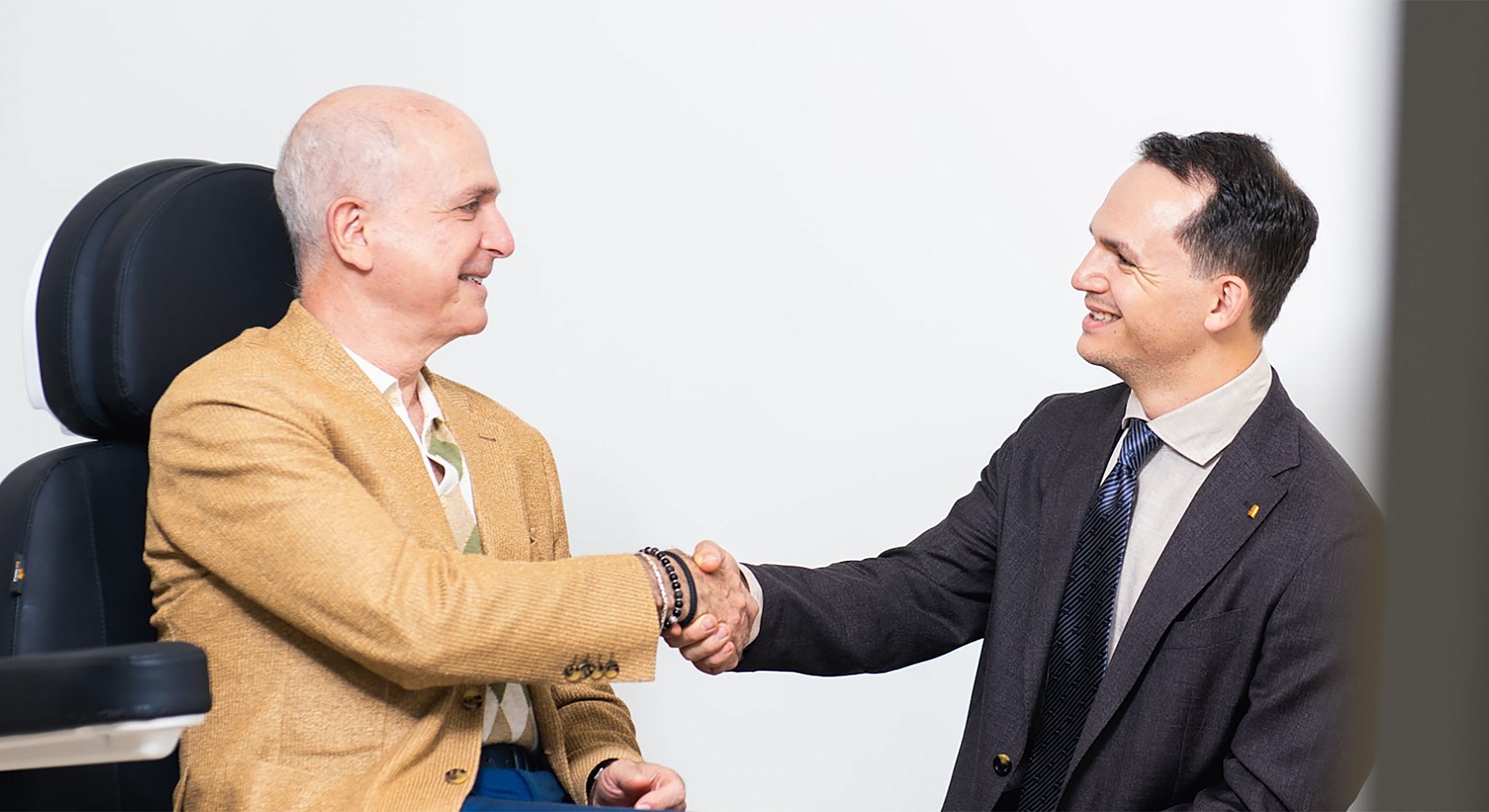

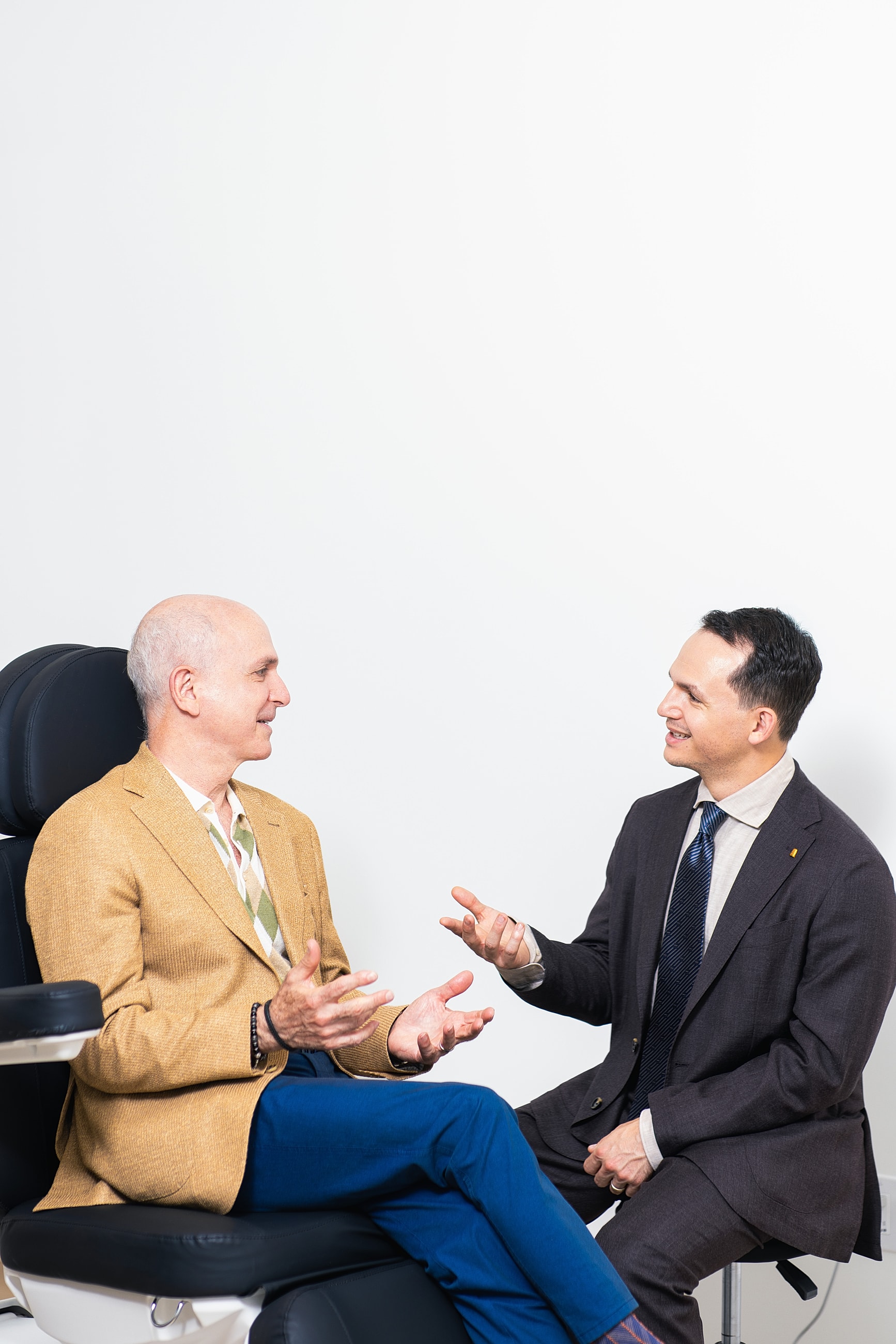
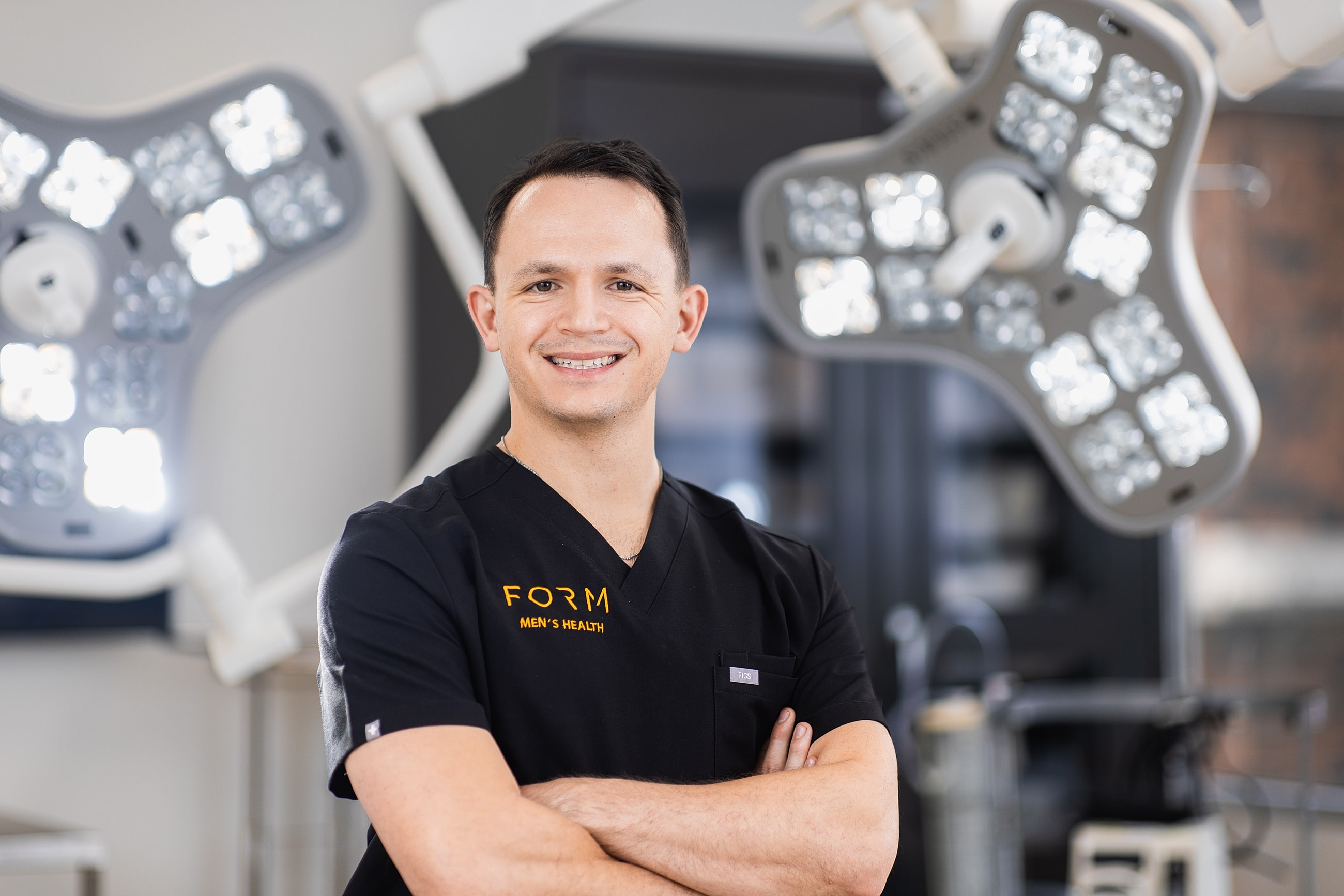
Erectile dysfunction is rarely just about performance. In most men, it is an early vascular signal, a warning that appears years before heart disease announces itself. FORM Men's Health is built to read that signal, find the cause, and treat it. A physician-led men’s health program directed by Dr. Noah Stern, a fellowship-trained urologist, combining subspecialty diagnostics with an integrated model of care at FORM’s Toronto flagship.
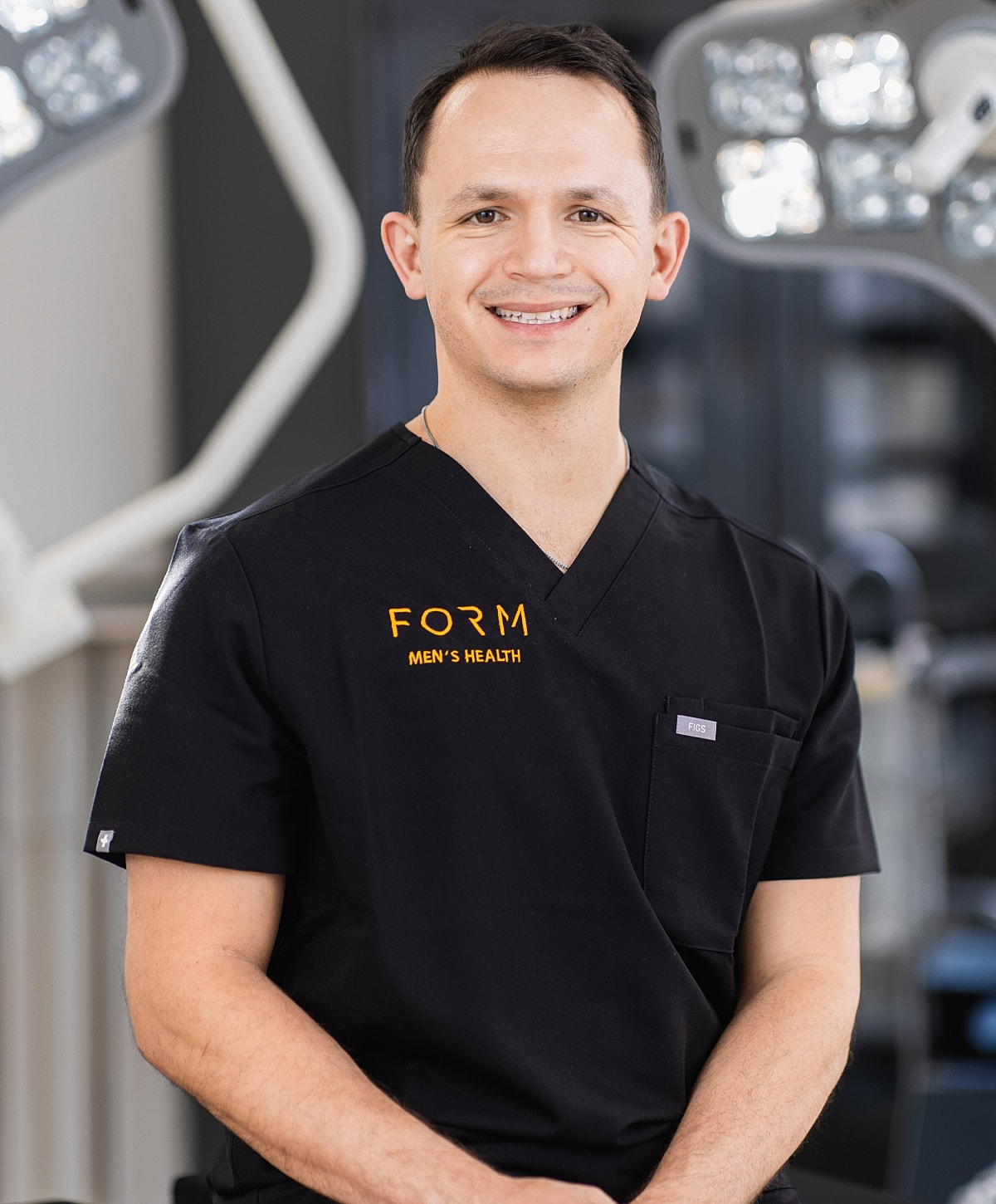
Dr. Noah Stern is a fellowship-trained urologist with focused expertise in men’s sexual health, hormonal optimization, and reconstructive urology.
He completed his undergraduate training at Queen’s University in Life Sciences (specialization in pharmacology and toxicology), followed by his MD at the Schulich School of Medicine and Dentistry at Western University and urology residency at Western. Dr. Stern then pursued advanced fellowship training in reconstructive, female, and neurourology at the University of Toronto under the mentorship of Dr. Sender Herschorn, with additional extensive training under Dr. Gerald Brock in men’s health, erectile dysfunction, and Peyronie’s disease.
He maintains hospital privileges at North York General Hospital and Mackenzie Health. Dr. Stern serves on an International Society for Sexual Medicine panel updating global recommendations on the medical and surgical management of erectile dysfunction. He has also collaborated with Statistics Canada on research examining how ethnicity and immigration influence prostate cancer outcomes.
At FORM Men's Health, we treat the cause, not the complaint. Energy, sexual function, body composition, and performance are outputs of vascular health, hormonal balance, metabolic function, and sleep working together, or failing to.
At our men’s health clinic Toronto men have convenient access to testosterone and a prescription. FORM Men's Health brings the diagnostic precision of a subspecialty urologist to every patient: gold-standard vascular testing, advanced hormonal assessment, and evidence-based treatment protocols, delivered in a private, unhurried setting designed around the patient rather than the system.
Care begins with a structured, diagnostic-first evaluation that looks at the full system. Treatment is then built around what your biology actually shows.
Most men's health clinics treating erectile dysfunction never look at the one thing that causes it most often: blood flow. The penile duplex ultrasound is the gold-standard diagnostic for mapping exactly how blood moves in and out of the penis, and Dr. Stern performs it personally.
Yes. While we recommend a diagnostic assessment first so treatment is matched to what's actually driving your symptoms, shockwave and Apex M radiofrequency are available as standalone treatments if you'd prefer to proceed directly.
The study measures arterial inflow (ruling out arterial insufficiency) and identifies venous leak. You receive a complete map of what is failing and where, before any treatment begins.
It directs every treatment decision so you are never paying for a therapy your biology cannot respond to. Because the penile arteries are among the smallest in the body, this test can also provide one of the earliest cardiovascular warnings a man will receive. It doesn't take much narrowing in an artery this small to cause a noticeable drop in blood flow. That's why erectile dysfunction often shows up years before a blockage large enough to cause chest pain or a cardiac event.

Comprehensive medical and procedural management, from PDE5 inhibitors to intracavernosal injection therapy, low-intensity shockwave, and radiofrequency treatment — all directed by duplex ultrasound findings.
Diagnosis and management of low testosterone, including injectable, transdermal, and tailored replacement protocols. Fertility-conscious options such as HCG and clomiphene-based therapy with ongoing endocrine monitoring.
Medical management including oral and intralesional therapies, plaque assessment, curvature characterization, traction therapy, and longitudinal monitoring.
Penile rehabilitation following prostatectomy and vascular optimization programs.
Structured screening and optimization for men seeking objective data on their biology before problems appear.
Acoustic wave treatment that stimulates new blood vessel growth and restores nitric oxide production. Sessions ≈20–30 minutes, no downtime. Typically 6–12 sessions.
Controlled thermal energy that remodels collagen, improves tissue compliance, and supports nerve function. Often combined with shockwave for superior results.
28-minute, fully clothed sessions using high-intensity electromagnetic stimulation of the pelvic floor. Available as single sessions, packages, or maintenance.
It depends on what your diagnostics find and what pathway you're on. Some patients notice change within the first several weeks of a protocol; others — particularly on hormone optimization — see results build over two to three months as levels stabilize. We'll give you a realistic timeline specific to your findings at your first visit, not a generic number.
Our flagship corrective program: physician-directed combination of shockwave and Apex M radiofrequency with pre-session support.
All-inclusive annual memberships, available standalone or combined with FORM Life+ or Longevity for comprehensive, high-rigor management. Details on request.
It starts with one appointment
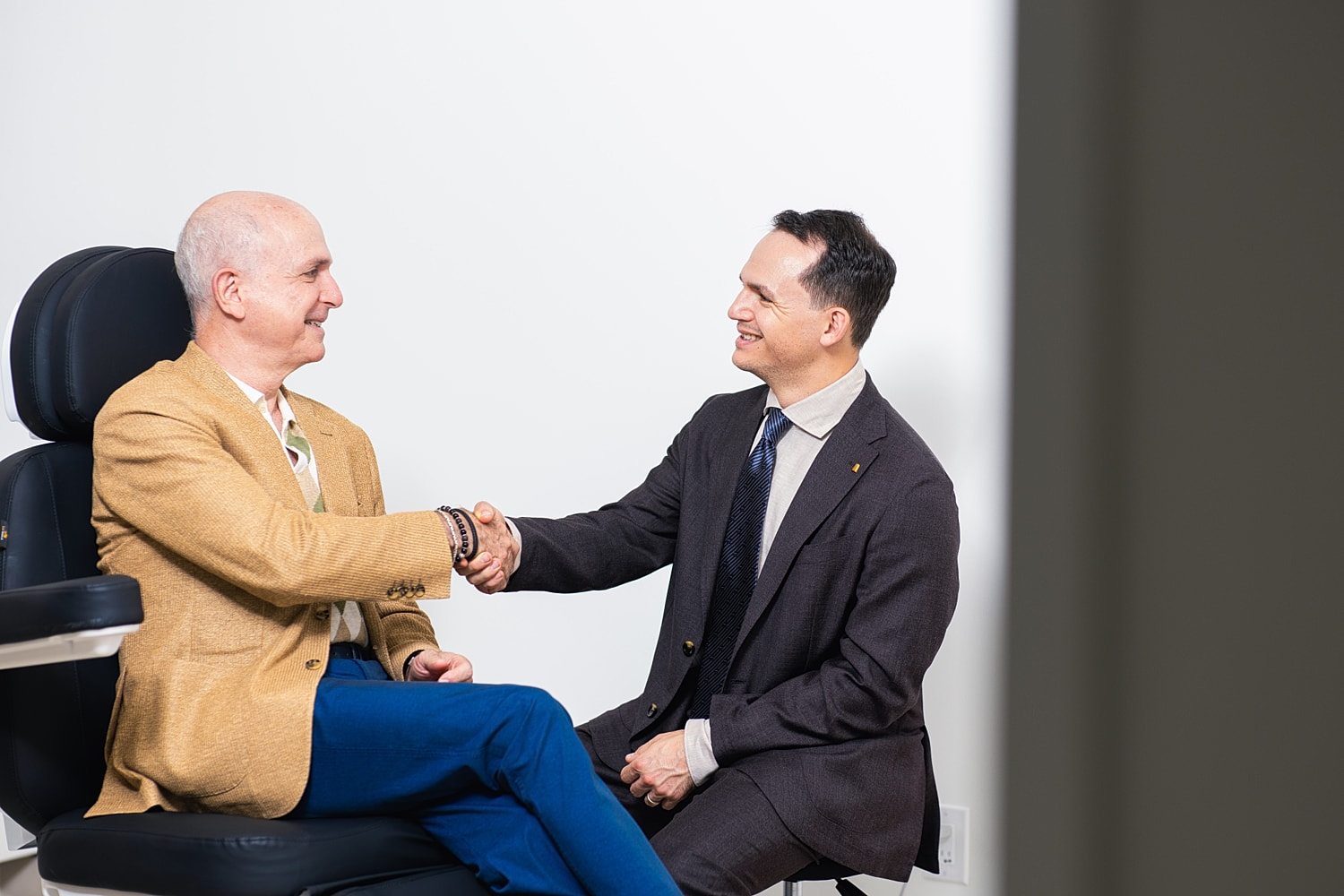
If you have noticed changes in sexual function, energy, body composition, or drive, or simply want objective data before problems appear, you can be seen at our men's health clinic. Your first appointment answers exactly that.
Completely. Intake is private, and every consultation is in a private setting.
Some diagnostics/procedures may be covered; many optimization programs are private pay. We will review based on your pathway.
No referral is required. Most patients contact us directly. If you have a physician managing related care, we're glad to coordinate with them, but a referral isn't a prerequisite to book.