Eyelid Surgery
in Toronto


Reawaken the Beauty of Your Gaze
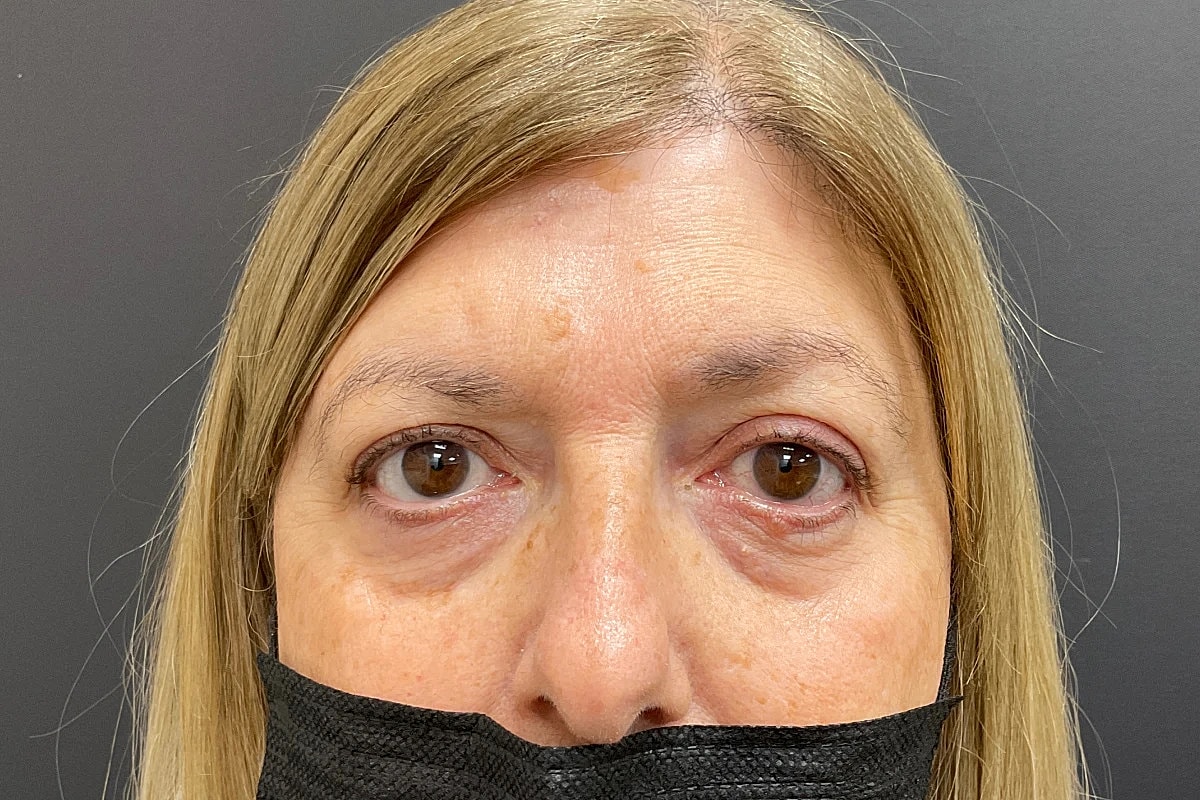
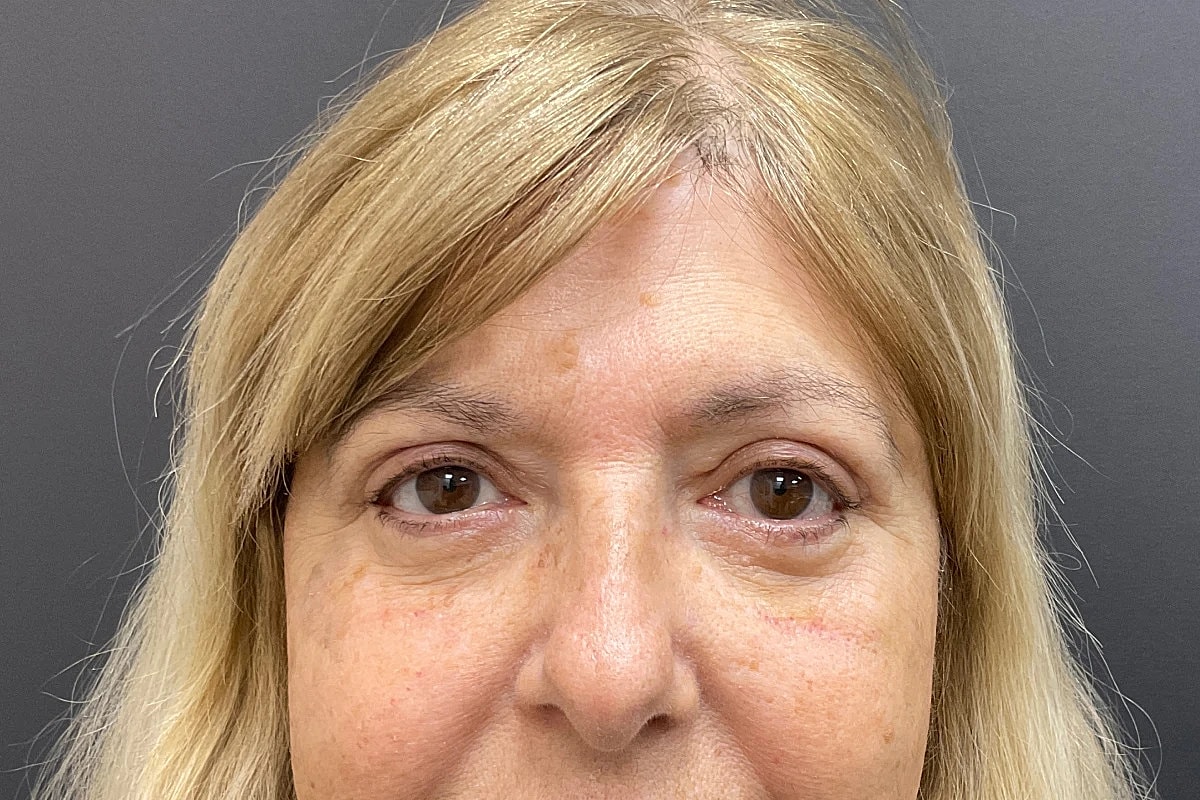
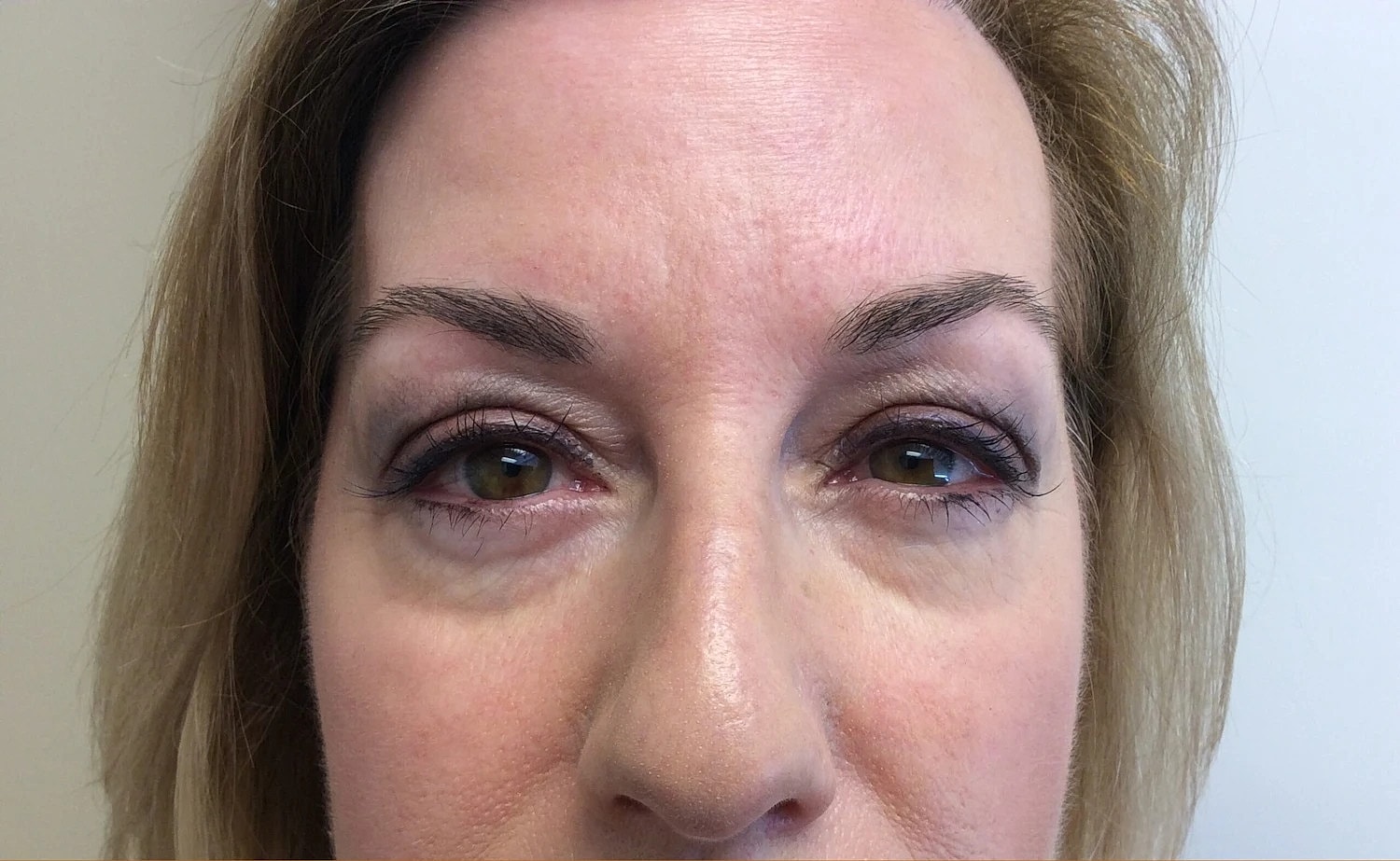
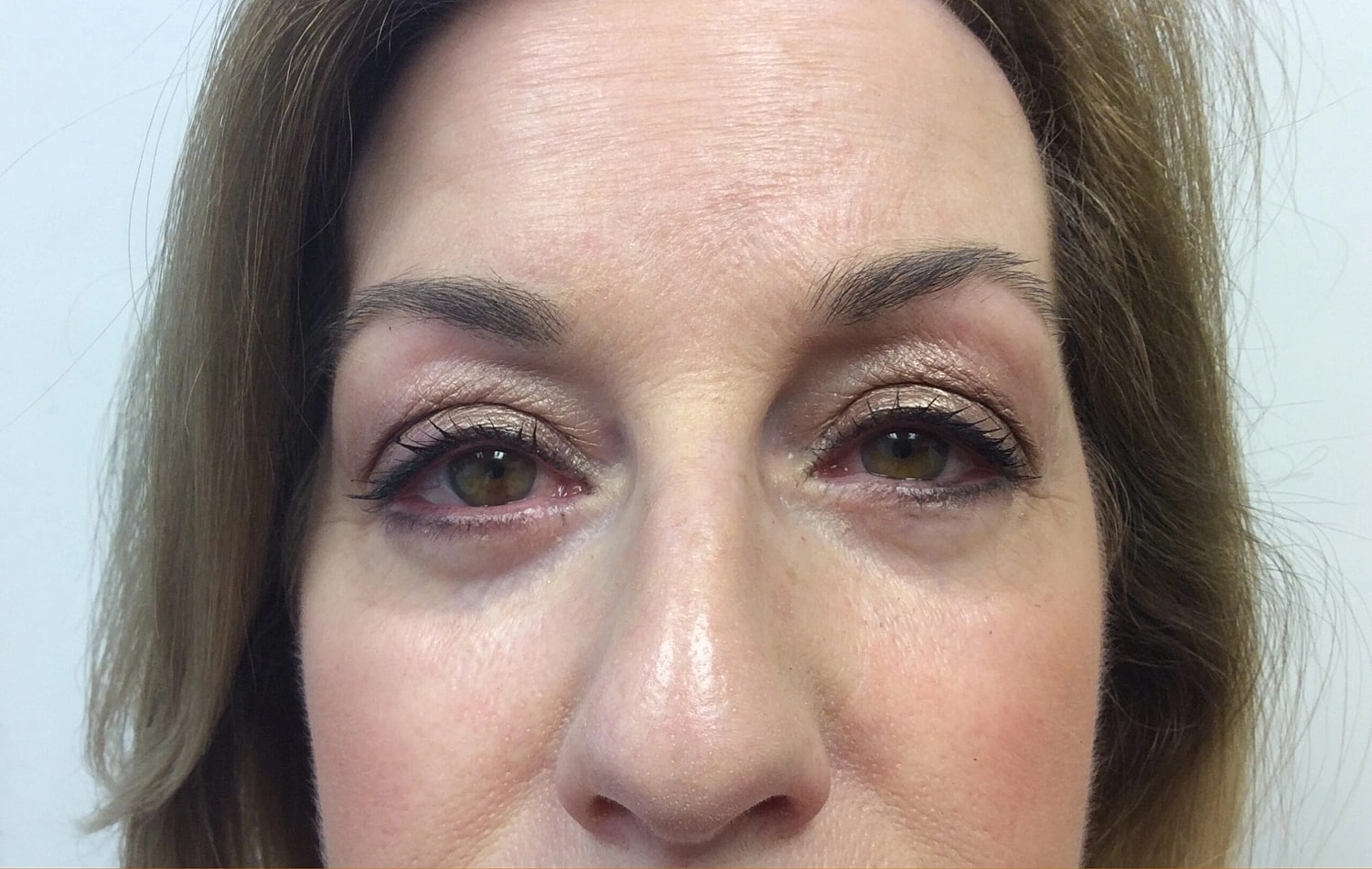
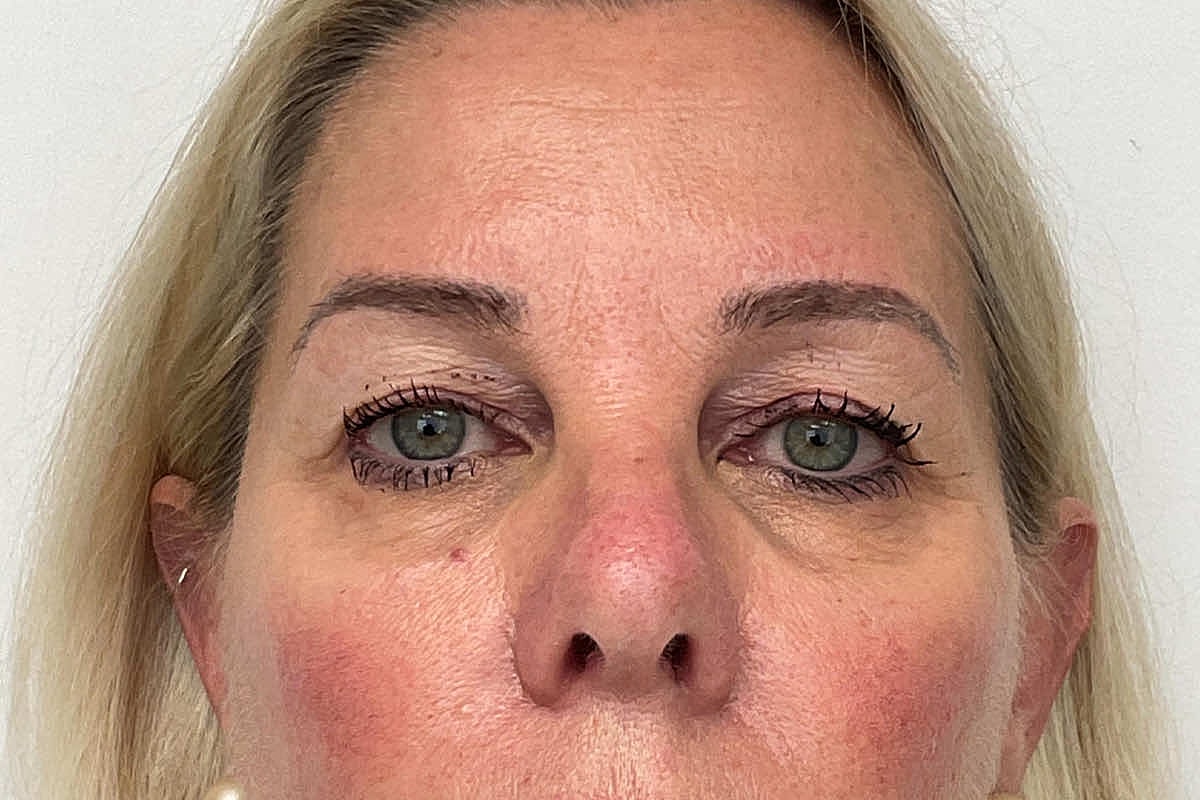
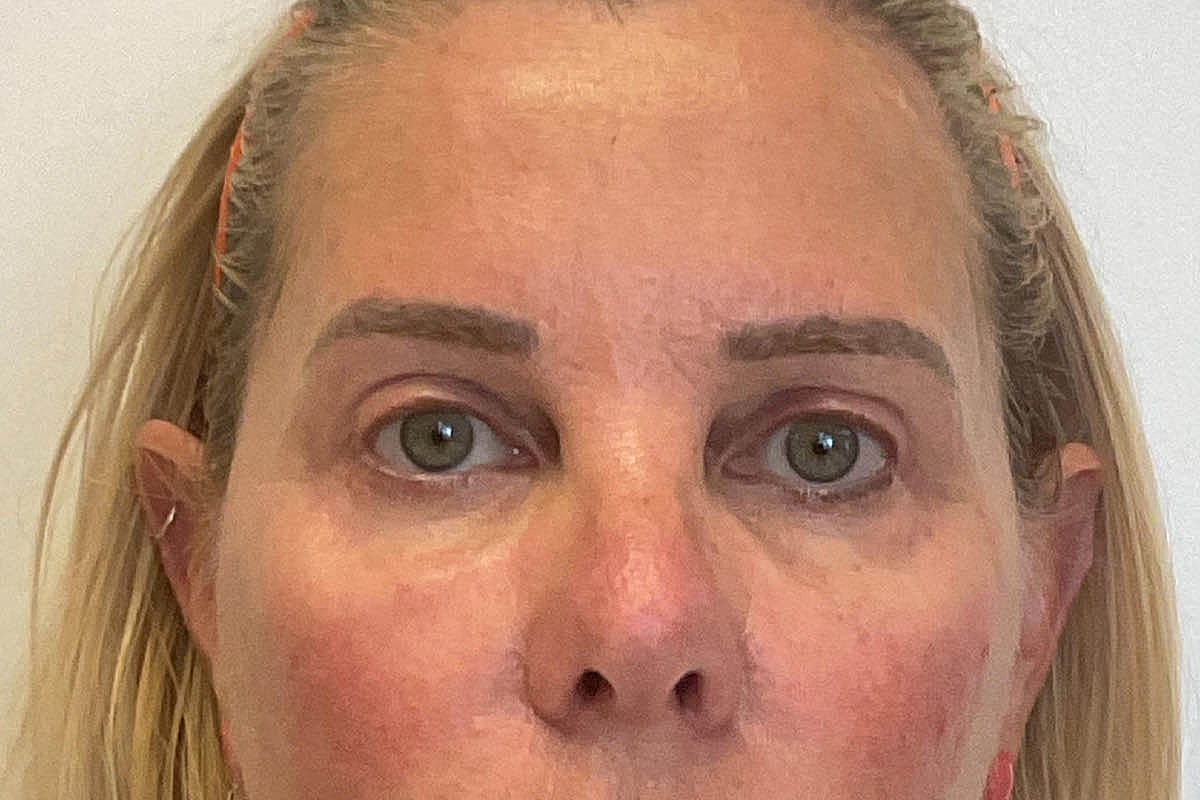
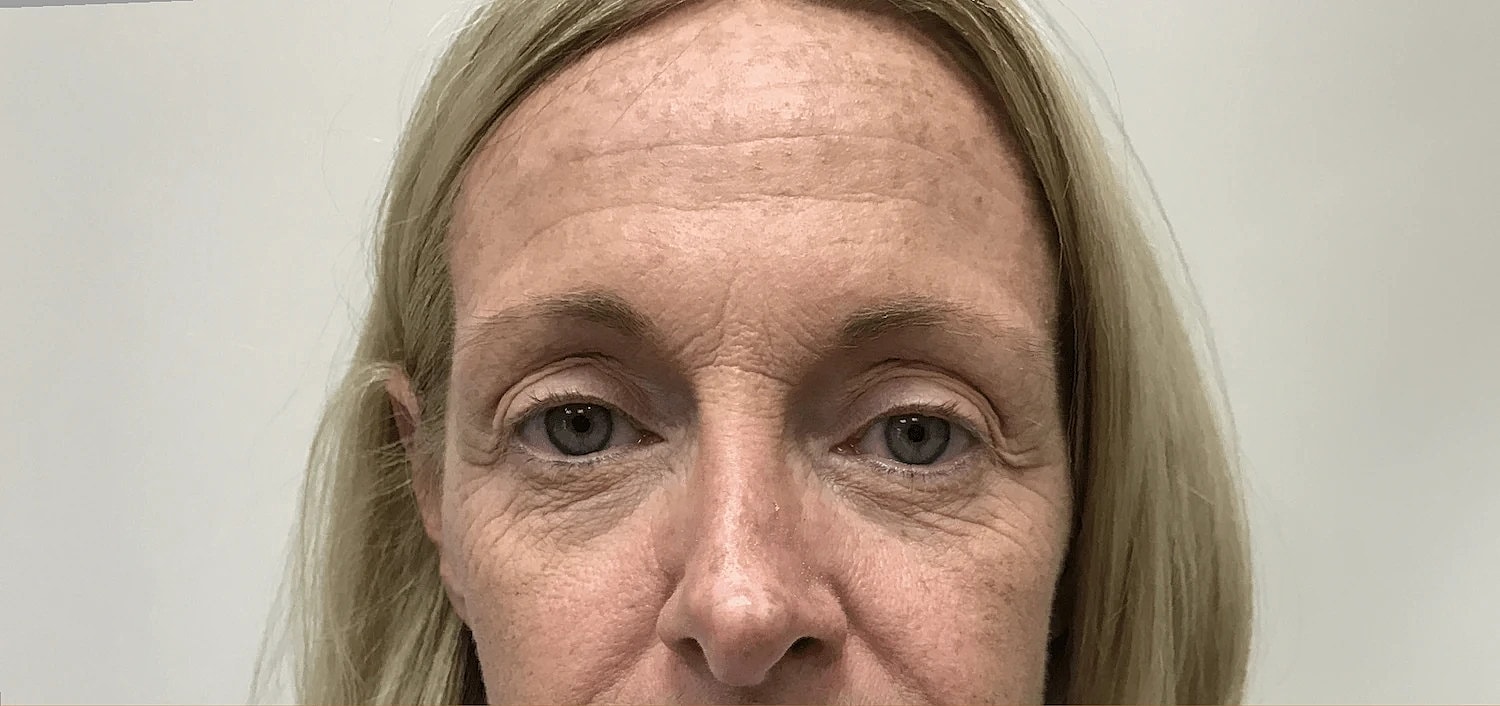
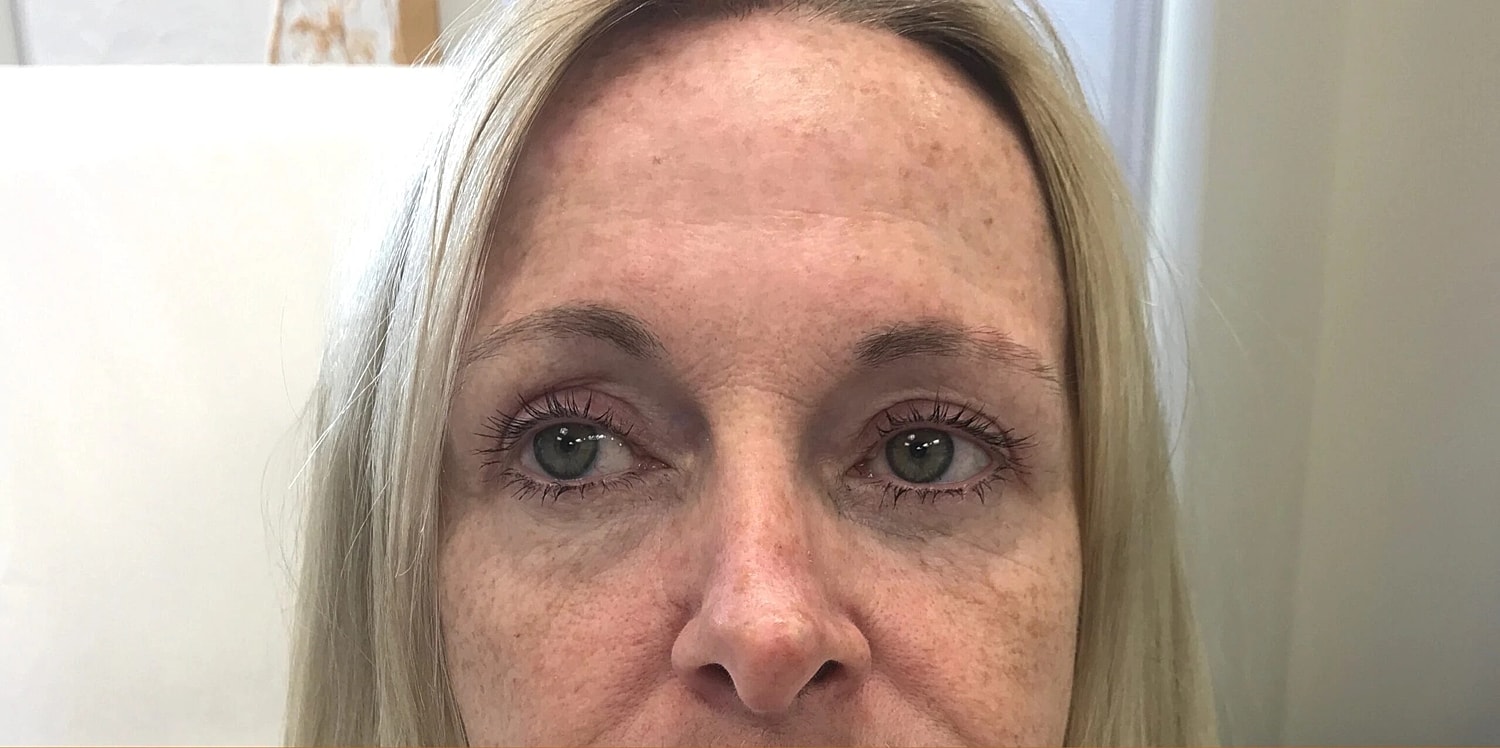
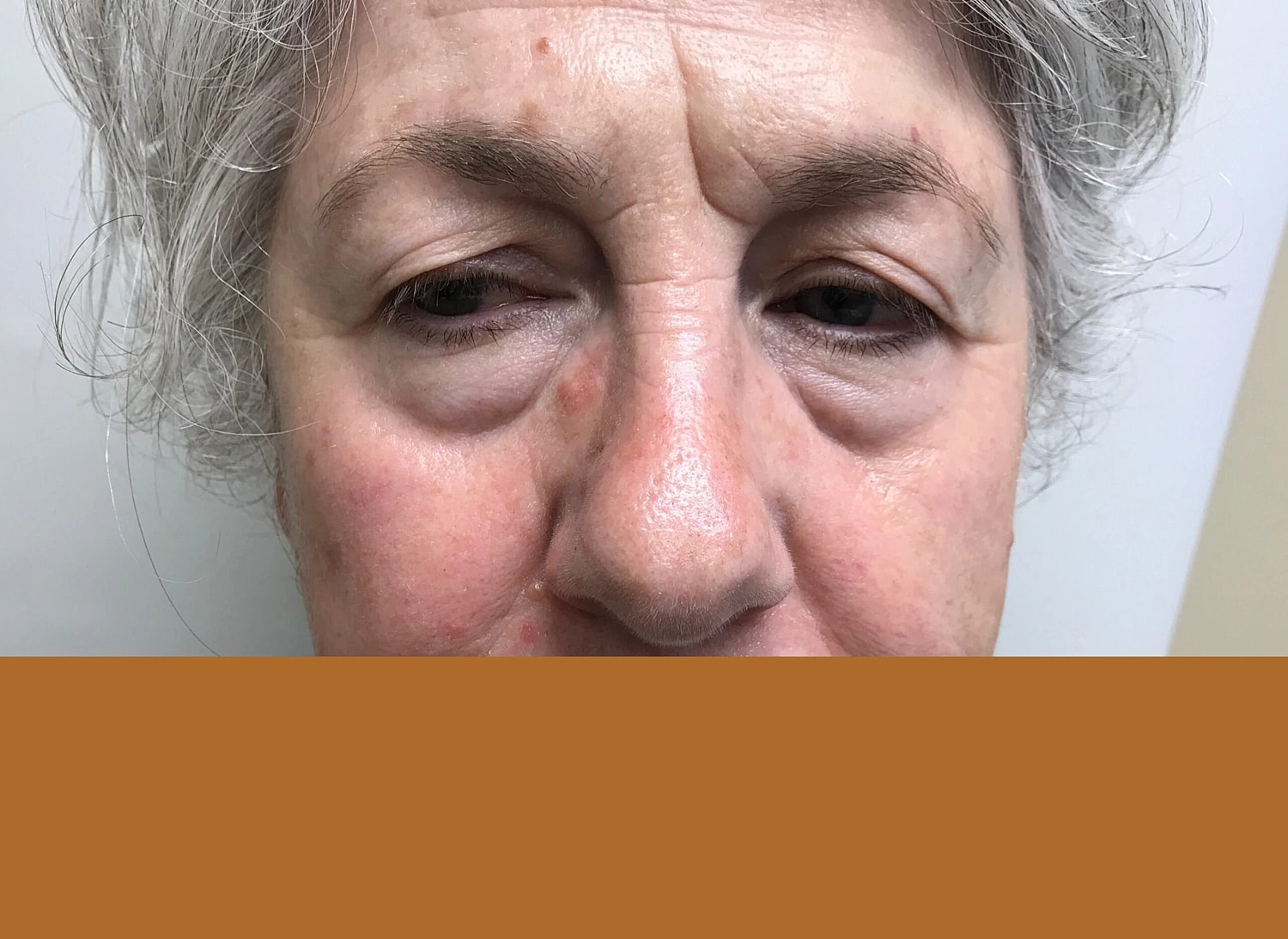
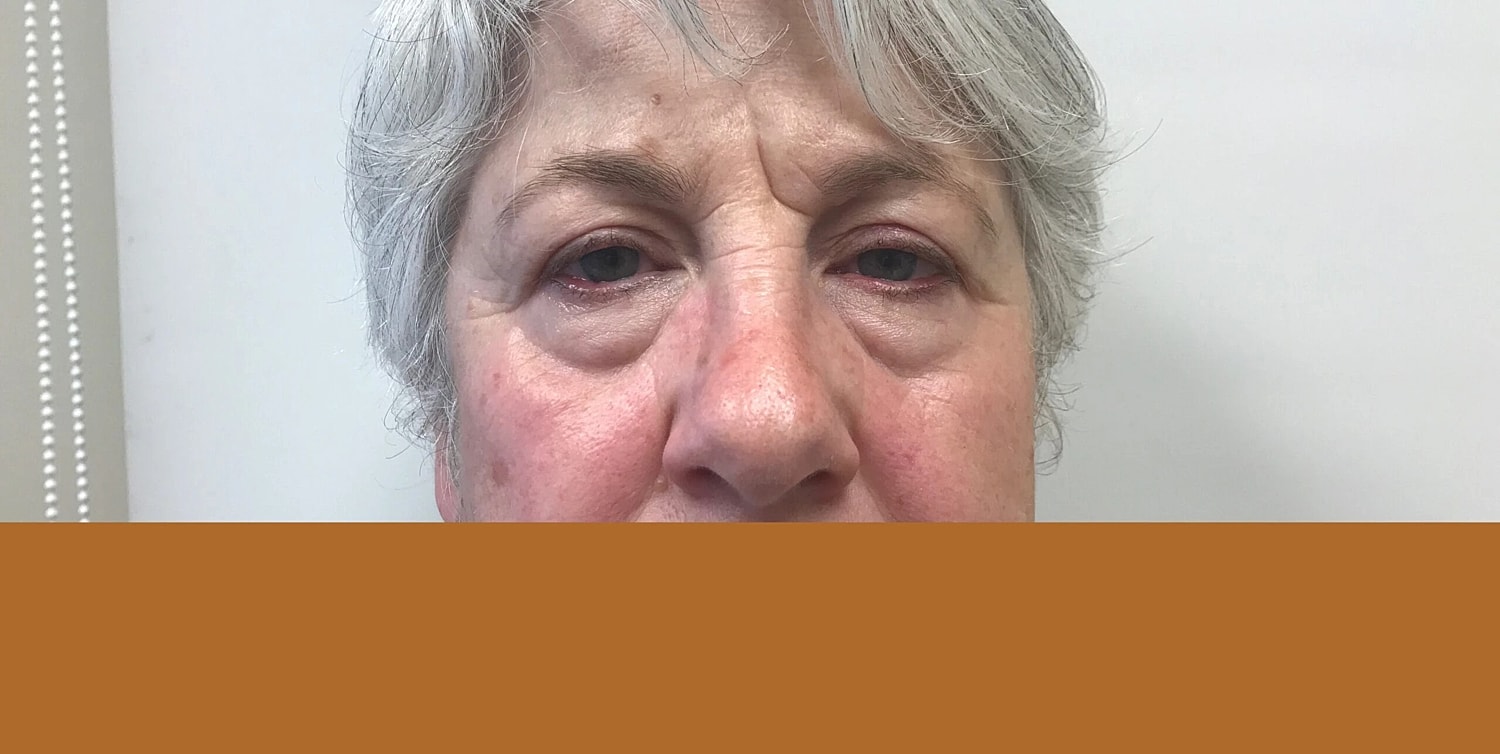
Blepharoplasty (eyelid surgery) is one of the most subtly transformative procedures in facial plastic surgery. As we age, the eyelids lose elasticity, and the muscles that support them weaken. This often results in excess skin and fat gathering above and below your eyes, causing sagging eyebrows, droopy upper lids, and prominent bags under the eyes. At FORM Face + Body, our Toronto plastic surgeons specialize in both cosmetic blepharoplasty and functional surgery to ensure your eyes look as energetic as you feel.
1 of 9
Treatment Type: Upper or lower eyelids (or both) surgery.
Downtime: 7–10 days; swelling generally lessens slowly over 2 weeks.
Results: A more alert, youthful appearance; improved peripheral vision.
Duration: 1 to 2 hours depending on if it’s upper and lower lids.
Best For: Droopy eyelids, excess skin, and puffy lower eyelids.
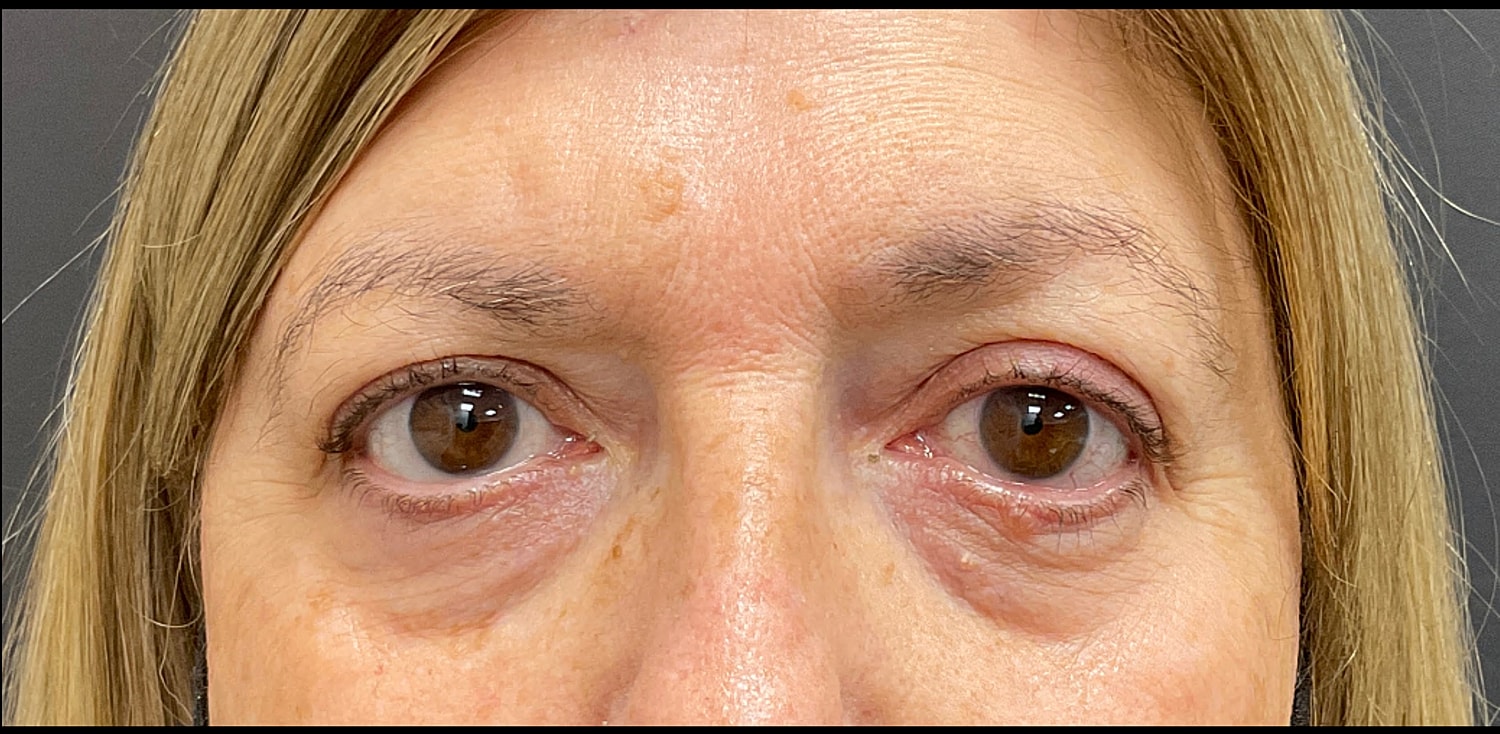
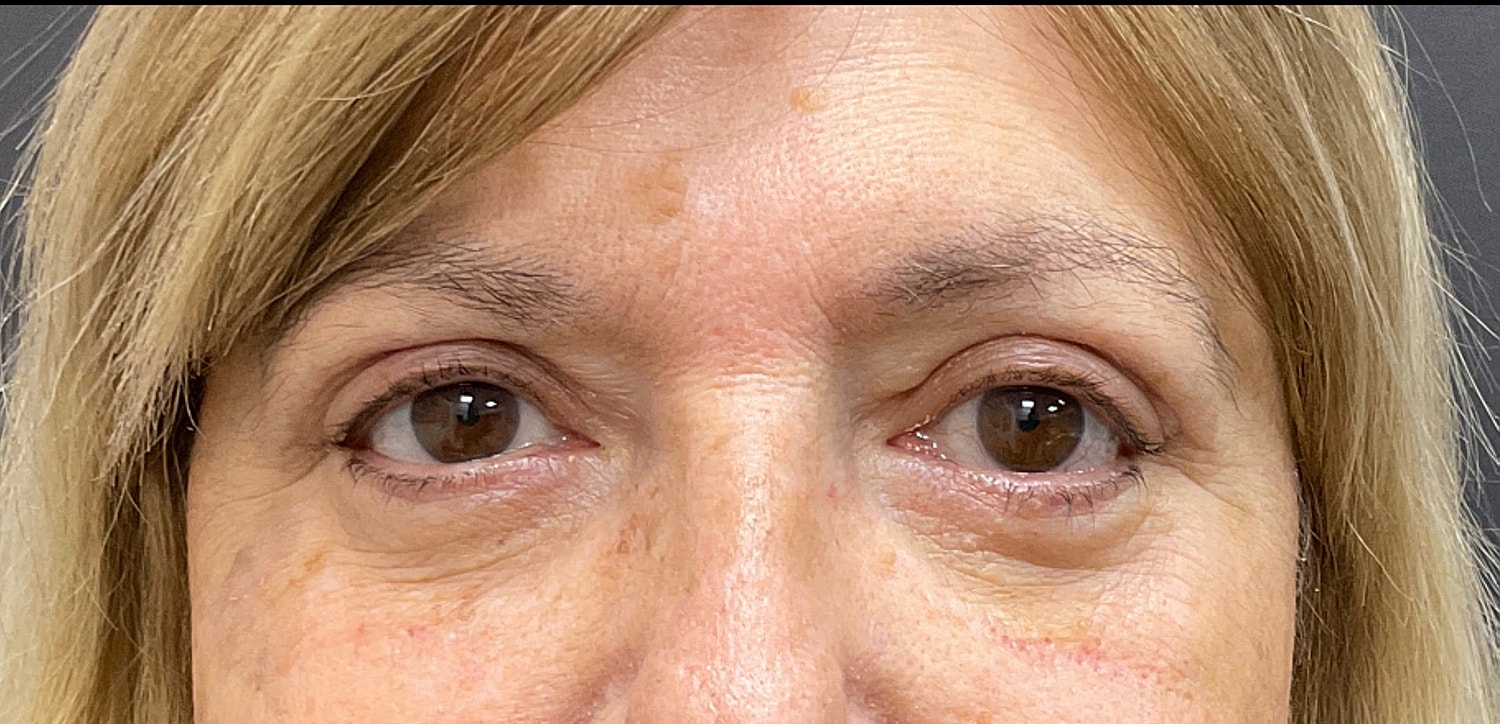
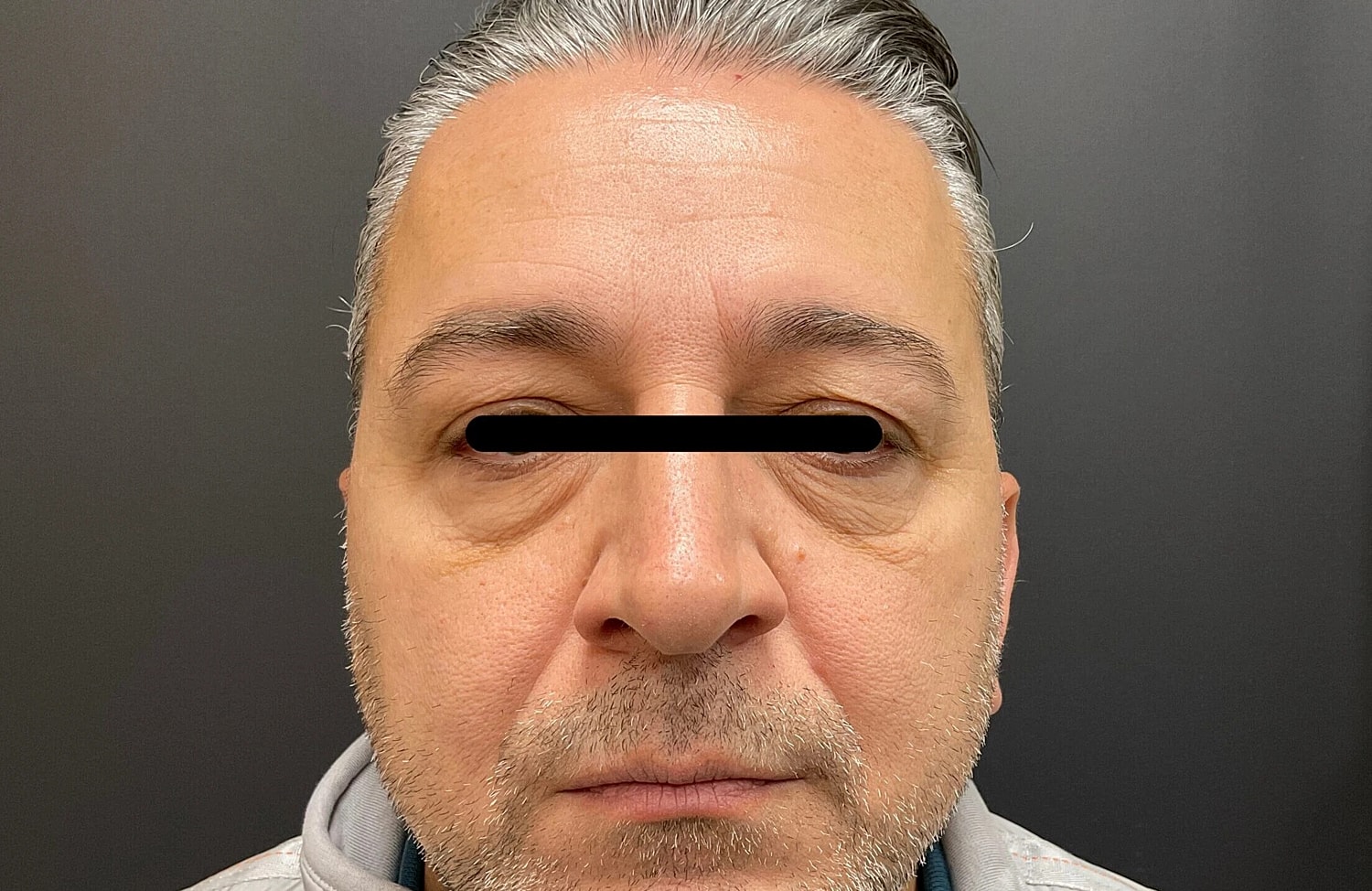
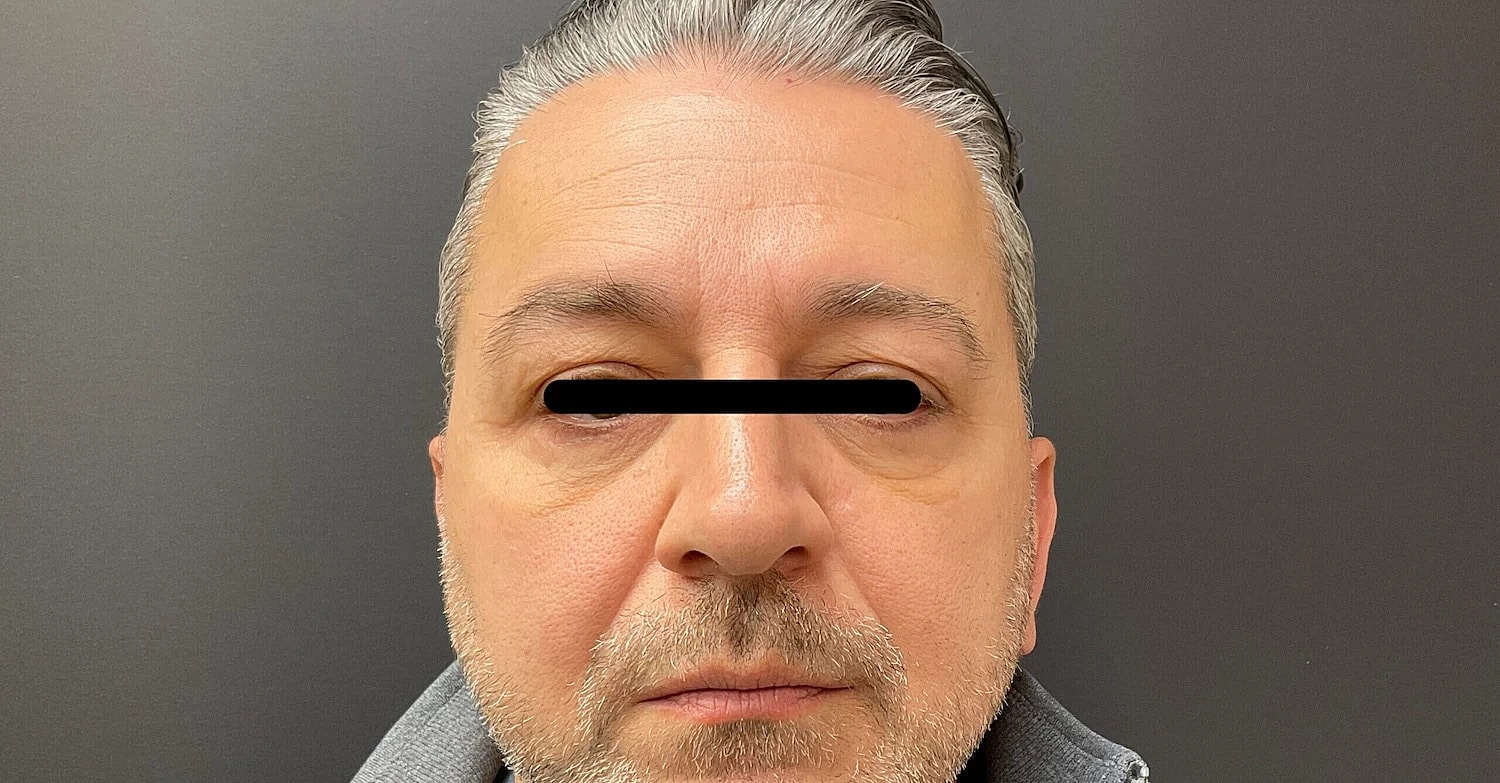
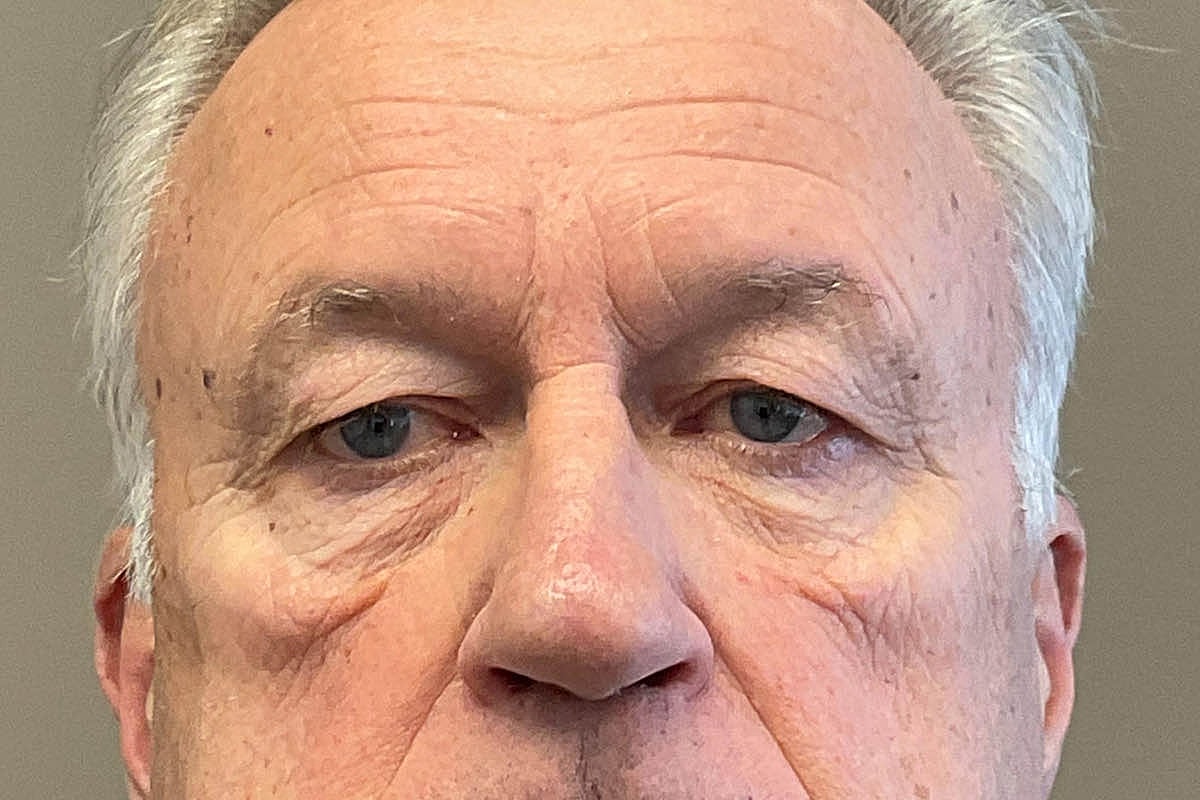
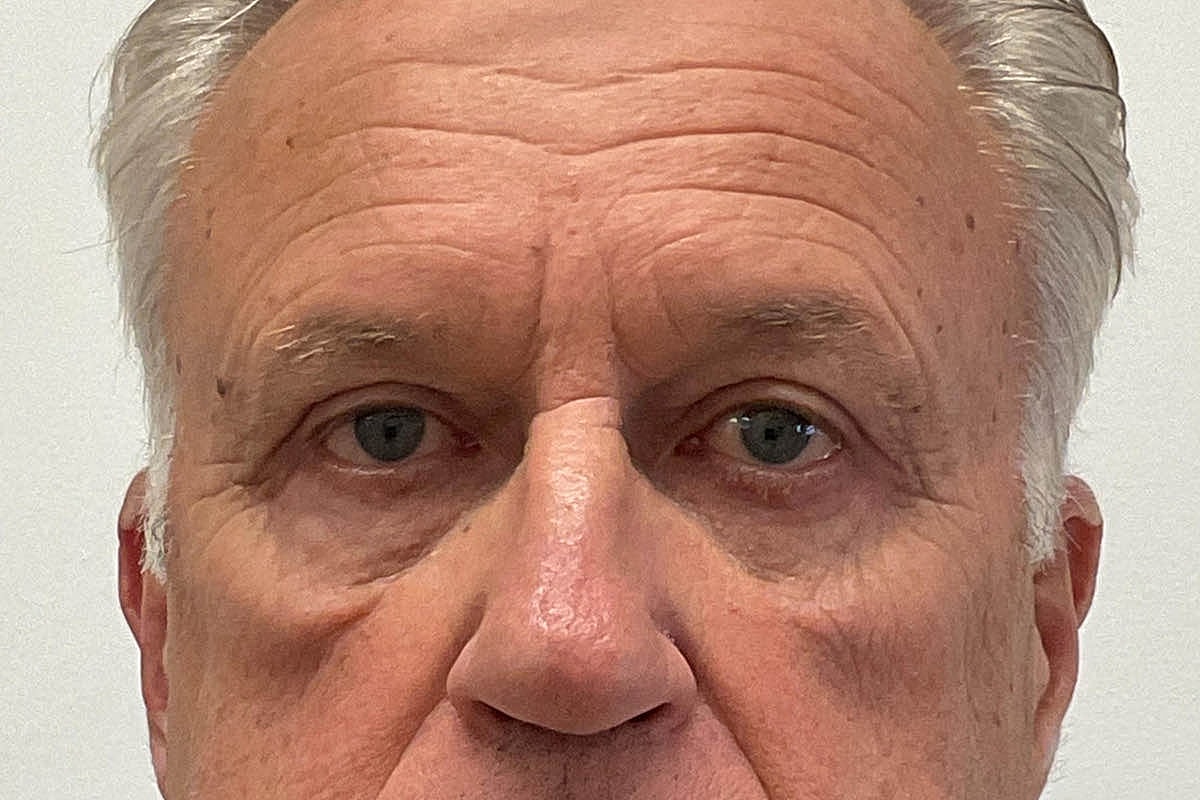
Eyelid surgery is a procedure called ptosis repair or blepharoplasty, depending on the clinical need. It is a surgery that removes excess tissue to refine the eye’s contour. Upper eyelid surgery focuses on removing excess skin from the eyelids that may partially block peripheral vision. Conversely, lower blepharoplasty primarily removes excess skin and redistributes excess fat and muscle to eliminate “bags.”


A personalized quote will be curated for you during your private consultation.
1-2 weeks
1 treatment
Defined by Your Anatomy
Upper blepharoplasty addresses excess skin and, when needed, prominent fat in the upper eyelids. As this tissue becomes heavier, it can soften the natural eyelid crease, make makeup harder to apply, or create a hooded appearance that reads as tired even when you feel rested. In some patients, the excess skin also narrows the upper or peripheral field of vision.
The incision is placed within the natural upper-eyelid crease. Through this opening, your surgeon can remove a measured amount of skin and adjust fat or muscle when appropriate. Preserving enough tissue for comfortable eye closure is essential, which is why the procedure is planned conservatively around your eyelid structure rather than around a standard amount of removal.
Upper-eyelid heaviness can also be influenced by the position of the brow. Your consultation includes an assessment of the eyelids, brows, forehead, and surrounding facial proportions. If a low brow is contributing to the concern, your surgeon may discuss a brow lift as part of the plan.
Smooth the Transition Below
Lower blepharoplasty is designed for under-eye bags, bulging fat pads, loose skin, and changes at the junction between the lower eyelid and cheek. Depending on your anatomy, the goal may be to remove a small amount of tissue, reposition existing fat to soften a hollow, support the lower eyelid, or combine several of these steps.
The incision may be placed just beneath the lower lashes or inside the lower eyelid. An internal, or transconjunctival, approach allows the surgeon to reach the fat without removing skin. A lash-line incision may be more appropriate when loose skin also needs to be addressed. Your surgeon will choose the approach that fits your skin quality, fat distribution, eyelid support, and desired result.
Lower blepharoplasty does not correct every cause of dark circles. Pigmentation, visible blood vessels, thin skin, allergies, and shadows created by facial structure can each contribute. A careful assessment helps separate concerns that may improve with surgery from those better addressed through skincare, resurfacing, injectables, or another treatment.

Similar Symptoms, Different Structures
Ptosis occurs when the upper-eyelid margin itself sits lower than it should, often because the muscle that raises the lid or its tendon has weakened or stretched. Blepharoplasty treats excess eyelid skin and fat. A brow lift addresses a brow that has descended. These concerns can look similar in the mirror, and some patients have more than one at the same time.
Ptosis repair strengthens or repositions the structures that lift the eyelid. It may be performed on its own or coordinated with upper blepharoplasty when both a low eyelid margin and excess skin are present. Your examination may include eyelid measurements, an assessment of muscle function, photographs, and visual-field testing when a functional problem is suspected.
A Comprehensive Fix
During your initial consultation, we review your medical history and current skin quality. For upper blepharoplasty, the surgeon makes an incision along the natural fold of the lid to remove excess eyelid skin and fat.
For a lower blepharoplasty Toronto patients will have the incision hidden just below the lashes or inside the lid. Once the surgeon closes the cut, the eyes are protected with lubricating ointment. This procedure is done on an outpatient basis, and light activities can begin the next day.
Solutions for the Tired Gaze
Cosmetic eyelid surgery is the gold standard for:

A Brightened Outlook
The primary benefit for our Toronto eyelid surgery patients is a more rested, approachable appearance.
By removing the “hooding” of the upper lids and bags, we reveal the true shape of the eye. For many, this also serves a functional purpose, as it expands the field of vision previously obscured by excess skin.
Ready fora Refresh
For those seeking eyelid surgery Toronto patients who experience sagging skin or puffiness and do not have serious eye conditions are typically ideal candidates. If you have sagging eyebrows and droopy upper lids, we may suggest combining this with a brow lift for total facial harmony. During your visit, your health care provider will ensure you have realistic expectations for the outcome.

To reduce swelling and ensure a rapid recovery, we provide our Toronto eyelid surgery patients with a detailed aftercare plan. You must avoid drugs, vitamins, herbal supplements, alcohol, and tobacco for several weeks. Specifically, you should not take warfarin (Jantoven), aspirin, ibuprofen (Advil, Motrin IB), or naproxen sodium (Aleve), as these can increase bleeding risk.
For the first few days, you should:
Within 1-2 weeks, everyday activities can commence regularly. The appearance of the eyes gradually improves until 6 weeks after surgery. Skincare and sun protection are necessary during the recovery period.
The results of eyelid surgery can last for 5–7 years, while lower eyelid surgery rarely needs to be repeated. Patients see a significant improvement in facial harmony. Once the swelling generally lessens slowly, usually within 10–14 days, the youthful appearance of the eyes is fully revealed.
Refinement Happens Gradually
The change may be visible soon after surgery, although early swelling and bruising temporarily obscure the eyelid contour. Many patients feel comfortable returning to work and social activities within one to two weeks. Residual swelling can last longer, particularly after lower blepharoplasty or a combined upper-and-lower procedure.
The eyelids continue to settle over the following weeks and months. Incision lines may appear pink at first and generally soften and fade as they mature. Your surgeon will monitor healing during follow-up visits and explain when contact lenses, eye makeup, exercise, and normal skincare can safely resume.
Blepharoplasty creates a lasting structural change, but it does not stop natural aging. Skin quality, sun exposure, genetics, smoking, and changes elsewhere in the forehead and face can influence how the eye area looks over time. Many patients enjoy their results for years, and lower-eyelid surgery often does not need to be repeated. Future treatment should be based on how your anatomy changes rather than a preset maintenance schedule.
Personalized From the Start
The cost of blepharoplasty in Toronto depends on the treatment plan created for you. Upper-eyelid surgery, lower-eyelid surgery, and a combined procedure involve different operating times and levels of complexity. Anesthesia, surgical-facility costs, ptosis repair, lower-eyelid support, and complementary procedures can also affect the total.
Following your examination, FORM will provide a personalized quote that reflects the recommended procedure and the fees included in your care. If you would prefer to divide the cost over time, the team can also explain FORM’s available plastic surgery financing options. A quote from another clinic is most useful when it includes the same procedure, anesthesia plan, facility fees, follow-up care, and surgeon qualifications.
When Eyelid Heaviness Affects Vision
Cosmetic blepharoplasty is generally paid for privately. In limited circumstances, upper-eyelid surgery may qualify for Ontario Health Insurance Plan coverage when excess tissue causes a documented functional problem. The current Ontario Schedule of Benefits states that blepharoplasty is insured only in specified circumstances and requires prior approval from the Ministry of Health.
Assessment may involve photographs, eyelid measurements, and visual-field testing to document how the eyelid interferes with vision. Ptosis repair follows its own clinical pathway because a low eyelid margin and excess upper-eyelid skin are separate diagnoses, even when they occur together. Approval is based on medical findings and cannot be guaranteed before the required review is complete.
If you are concerned about vision as well as appearance, describe both during your consultation. FORM can explain the recommended surgical plan and any documentation or referrals that may be needed. You can also read FORM’s overview of OHIP coverage for cosmetic and medically necessary procedures.
Understand the Full Picture
Swelling, bruising, tightness, temporary dryness, watering, light sensitivity, and blurred or double vision can occur during early healing. Temporary numbness around the lashes or incision is also possible. These effects usually improve as the tissues settle, although each patient heals at a different pace.
Blepharoplasty also carries risks of bleeding, infection, delayed healing, noticeable scarring, asymmetry, difficulty closing the eyes, persistent dry-eye symptoms, lower-eyelid pulling or turning outward, and a result that requires revision. Changes in vision are rare but can be serious. Your surgeon will review the risks that apply to your anatomy, health, eye history, and proposed technique before you consent to surgery.
Tell your surgeon about dry eye, glaucoma, thyroid disease, previous eye procedures, contact-lens use, smoking, and every medication or supplement you take. Follow the medication instructions given by your surgical team rather than stopping a prescribed drug on your own. After surgery, sudden vision changes, severe or increasing eye pain, marked one-sided swelling, or persistent bleeding require prompt contact with the surgical team.
A Plan That Fits the Concern
Nonsurgical care may be appropriate when the concern is mild skin laxity, fine lines, under-eye hollowing, or changes in skin quality rather than a significant amount of excess tissue. Treatments such as XERF radiofrequency skin tightening or other skin-tightening options may create gradual improvement in firmness. Carefully selected dermal filler treatment may soften a tear trough caused by volume loss.
These treatments cannot remove substantial eyelid skin, reposition prominent fat pads, repair ptosis, or restore a visual field narrowed by eyelid tissue. Under-eye filler also requires careful patient selection because swelling, skin quality, and lower-eyelid anatomy can affect the result. Your provider will explain when a non-surgical option is likely to offer a worthwhile change and when surgery provides the more predictable path.
Some patients have changes that extend beyond the eyelids. A brow lift can address brow descent, while a facelift focuses on the cheeks, jawline, and lower face. Procedures may sometimes be coordinated, but every addition changes the surgical plan, recovery, and risk profile.
Authentic Beauty Awakened
Blepharoplasty in Toronto restores a natural, more youthful shape to the eyelids by removing the excess skin and fat that causes hooding of the eyelids.
A blepharoplasty can also address the puffiness or “bags” within the eyelids that can make the eyes look tired. Ultimately, a blepharoplasty is designed to make you feel and look younger, brighter, and healthier. Schedule a consultation to learn more about this facial procedure and whether it is right for you.
Once you’ve booked your Toronto plastic surgery consultation, one of our friendly Patient Coordinators will be in touch by phone to personally confirm your appointment and answer any questions you may have. To secure your dedicated consultation time, a consultation fee will be kindly requested at that point.

Scars from an upper eyelid procedure are hidden in the natural crease. Lower eyelid scars are often hidden inside the lid (transconjunctival) or right at the lash line.
You must avoid aspirin, ibuprofen (Advil, Motrin IB), and others like naproxen sodium (Aleve) as they increase the risk of excessive bleeding. Always disclose all drugs or herbal supplements to your surgeon.
Most patients can resume contact lens use about 2 weeks after the procedure.
Cosmetic blepharoplasty is generally not covered by OHIP. Upper-eyelid surgery may qualify in limited cases when documented functional impairment meets Ontario’s criteria, and prior Ministry of Health approval is required for insured blepharoplasty. FORM can explain the assessment and documentation that may apply to your situation, but coverage cannot be guaranteed before the review is complete.
Blepharoplasty makes a lasting change to the skin and fat that are treated, and many patients enjoy their results for years. The current FORM guidance notes that eyelid surgery results can last approximately five to seven years, while lower blepharoplasty often does not need to be repeated. You will continue to age naturally, so skin quality, sun exposure, genetics, and changes in the brow or face can influence the eye area over time.
Using meticulous techniques, the upper eyelid is reshaped, and the protruding fat pads are removed or repositioned to their natural place. In the lower eyelid, excess skin and fat are also removed if needed. If there is a depression running from the inner corner of the eye to the cheek, also known as “tear trough deformity,” it can also be corrected by repositioning the fat of the area with caution to avoid a hollow appearance. If an ectropion (sagging lower eyelid) is diagnosed before surgery, it can be corrected during the blepharoplasty.
Pricing depends on which areas and procedures your plan includes, such as upper blepharoplasty, lower blepharoplasty, both eyelids, ptosis repair, or another coordinated procedure. Anaesthesia, facility requirements, and surgical complexity also affect the total. FORM will provide a detailed, personalized quote after your surgeon has examined your eyelids and discussed your goals.
Upper blepharoplasty primarily treats hooding, excess skin, and prominent fat above the eye. Lower blepharoplasty addresses under-eye bags, loose lower-eyelid skin, and the transition between the eyelid and cheek. The two procedures can be performed separately or together, depending on your anatomy and priorities.
There is no single ideal age for eyelid surgery. Many patients consider blepharoplasty when age-related changes become noticeable, while younger adults may have inherited hooding or under-eye bags. Candidacy depends more on eyelid anatomy, eye health, general health, and treatment goals than on a specific birthday.
The value of eyelid surgery is personal. It may be worthwhile if the changes being treated consistently bother you, the expected improvement aligns with your goals, and you understand the cost, recovery, scars, limitations, and risks. Reviewing FORM’s blepharoplasty before-and-after gallery and discussing comparable cases with your surgeon can help you make an informed decision.
Blepharoplasty is an established surgical procedure, but every operation carries risk. Choosing an appropriately qualified plastic surgeon, sharing your complete eye and medical history, and following pre- and post-operative instructions all matter. Your surgeon will discuss possible complications, including bleeding, infection, dry eye, difficulty closing the eyes, lower-eyelid position changes, scarring, asymmetry, revision surgery, and rare changes in vision.