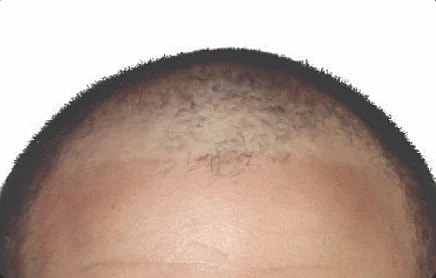
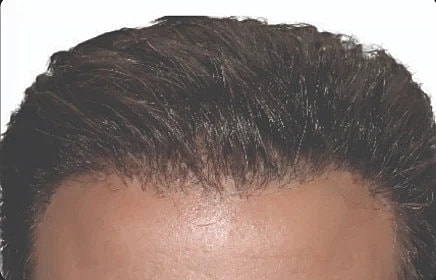
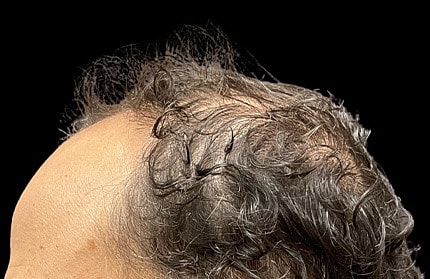
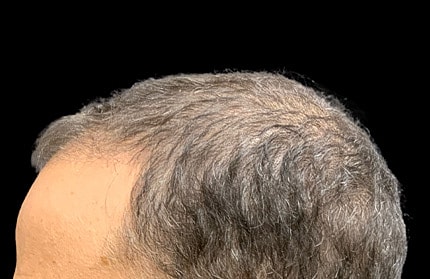
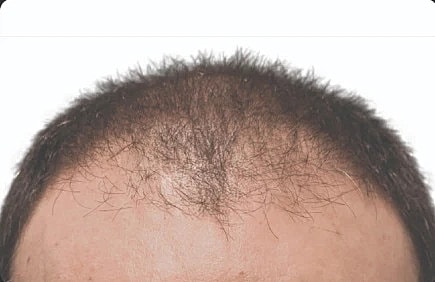
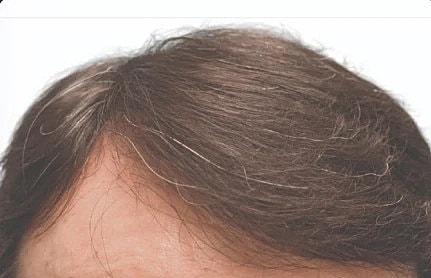
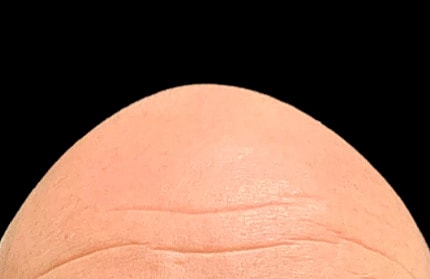
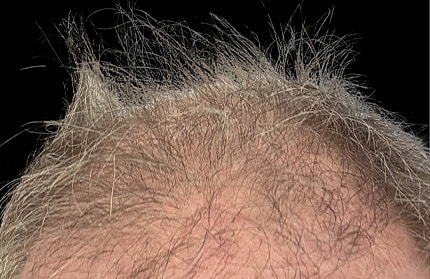
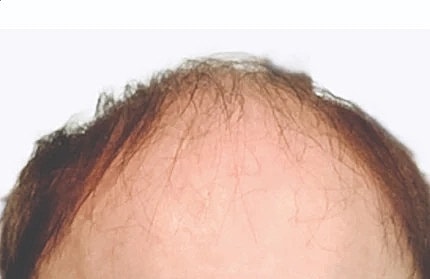
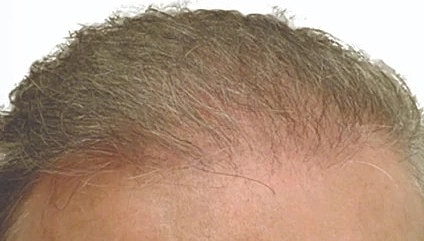
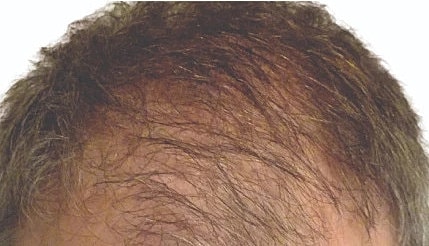
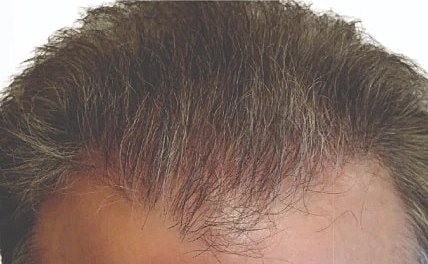
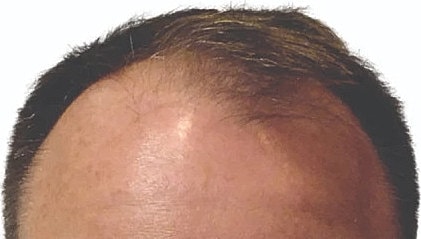
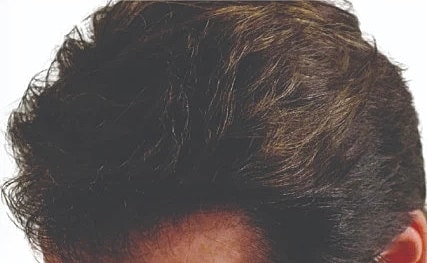
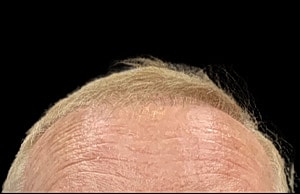
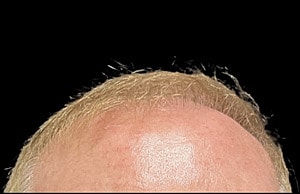
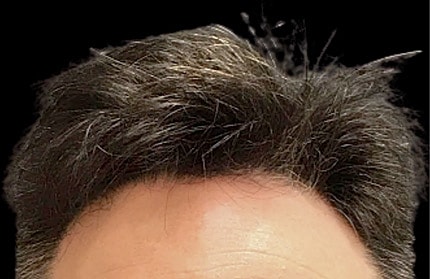
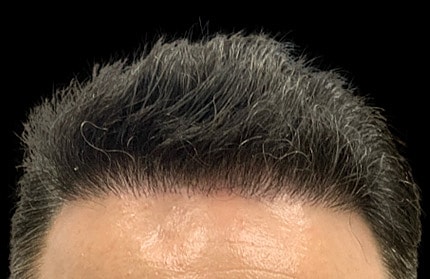
Do you want to look and feel better about your hair every day going forward? Revision hair restoration at FORM Face + Body is the definitive path to correcting unsatisfactory results from previous procedures and reclaiming a natural, dense appearance.


At FORM, we see patients who traveled abroad for hair transplants, only to return with results that look artificial or have failed to grow. Revision hair restoration is a highly complex surgical discipline that requires the meticulous skill of an experienced surgeon. Whether you are dealing with a "pluggy" appearance, a misplaced hairline, or significant donor site scarring, our team at FORM specializes in improving these results.
1 of 9
Treatment Type: Corrective FUE, graft redistribution, or scar camouflage.
Downtime: 5–7 days; similar to a primary transplant but with specially focused aftercare.
Results: A softer, more natural hairline and improved overall density.
Duration: 4 to 8 hours depending on the complexity of the repair.
Best For: Correcting unnatural looking results, visible scarring, or poor graft survival.
There are several common hair restoration issues that we address at FORM:

Revision surgery is significantly more challenging than a primary transplant due to the complexities of existing scar tissue and limited donor hair availability. To prepare for this delicate procedure, our process begins with an initial consultation, during which we perform a deep-dive into your medical history and current follicular state to determine the best course of action.
The revision procedure itself is multi-phased and highly focused on achieving a natural, softer look. It starts with the meticulous graft extraction, which involves carefully removing poorly placed or "pluggy" grafts. Once extracted, these grafts undergo follicular unit redistribution, where they are meticulously dissected into smaller, individual units. This precision work is followed by the artistic reimplantation phase, during which the hair is placed at the correct angle and density to address the previous aesthetic issues.
For patients with visible donor scars, Scalp Micropigmentation (SMP) is an optional, non-surgical technique we offer to camouflage scarring and restore a uniform scalp appearance.

Revision hair restoration at FORM is the gold standard for:

The benefits of revision hair restoration are largely psychological.
For many, an unsuccessful hair transplant can create more self-consciousness than the original hair loss. By correcting non-optimal results, our team helps restore both your appearance and your confidence.
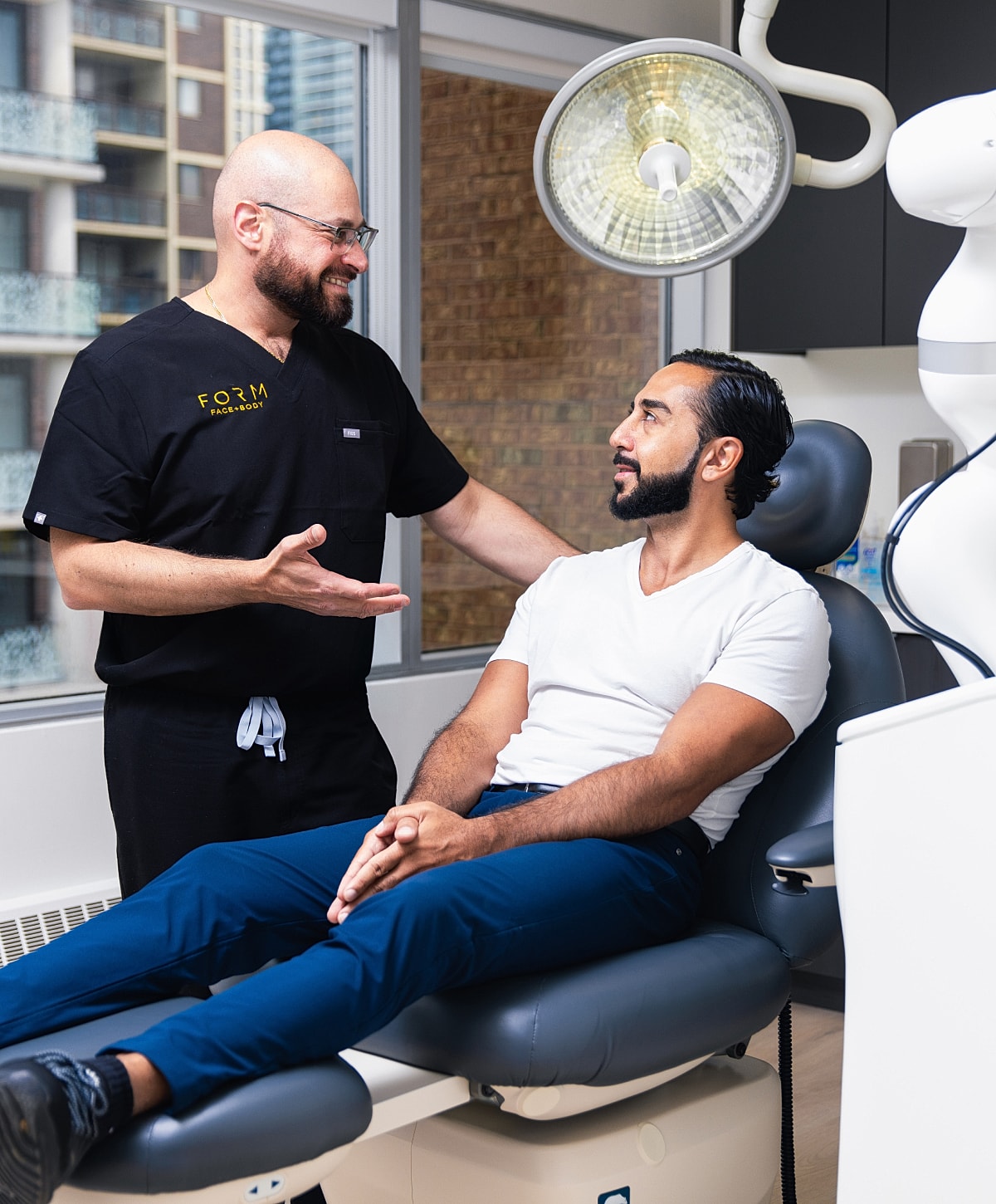
If you are unhappy with the results of a previous transplant, you may be a candidate. However, the success of a revision depends on having enough remaining healthy hair follicles in your donor area. Dr. Brandt will give you an honest assessment of what can be achieved, ensuring you have realistic expectations for your revision hair restoration procedure.


Healing from a revision requires a more attentive approach because the scalp has already undergone trauma. We utilize our on-site recovery suite, offering unique treatments to improve the results of your procedure.

When can I see results?
You will see the corrected hairline immediately, though the "softening" of the look happens as the new, finer grafts grow in over 6 to 12 months.
Like our primary transplants, the results are permanent. Once we have corrected the structural errors of the previous surgery, your new, natural look is yours for life. With our comprehensive range of supportive treatments, our team helps you maintain full, healthy hair growth in the long-term.
FORM offers our patients access to expert plastic surgeons who understand skin, scarring, and facial harmony.
We combine this surgical mastery with our unique FORM infrastructure to ensure that your treatment and recovery are handled with greater care, the latest technology, and greater precision than in your first procedure.
Treating strip scars involves harvesting individual follicles from other donor areas and implanting them directly into the scar tissue for a much more natural, blended appearance.
Revision surgery is significantly more time-consuming and technically difficult. It requires navigating previous scar tissue and meticulously removing and recycling old grafts.
This depends on the level of correction required. Sometimes we only need to move a few hundred grafts to soften a hairline; other times, a full second transplant is necessary to restore density.
Yes, it is limited by your donor supply. This is why it is vital to choose a meticulous clinic for your revision to ensure every remaining follicle is used with maximum efficiency.