Dysport
in Toronto

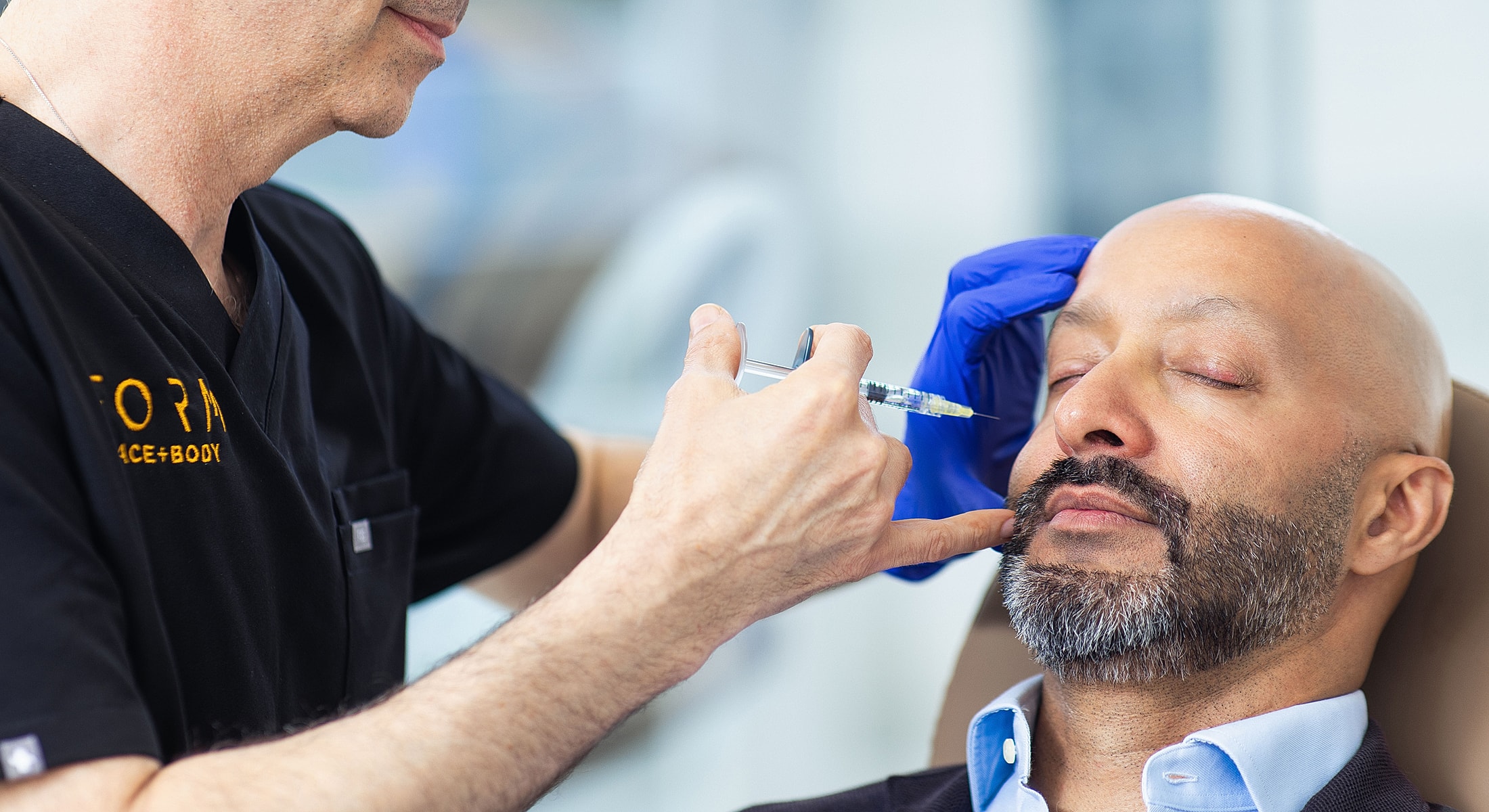
Lines that show up when you frown, concentrate, or smile are a normal part of having an expressive face. But when these lines start to stick around even when your face is relaxed, they can make you look more tense or tired than you actually feel. Dysport® is a prescription injectable that temporarily relaxes the muscles that cause these lines, helping to soften their appearance without surgery.
At FORM Face + Body, your Dysport treatment at our med spa in Toronto starts with a look at how your face moves. Your Provider will check your muscle strength and balance, ask about the lines that bother you, and find out how much facial movement you want to keep. The goal is to create a plan that fits your features and your preferences.
Since the right dose and placement depend on how your face moves, your medical history, and your goals, it’s best to start with a consultation. This way, you can find out what Dysport can help with, what its limits are, and if another treatment might be a better fit for you.
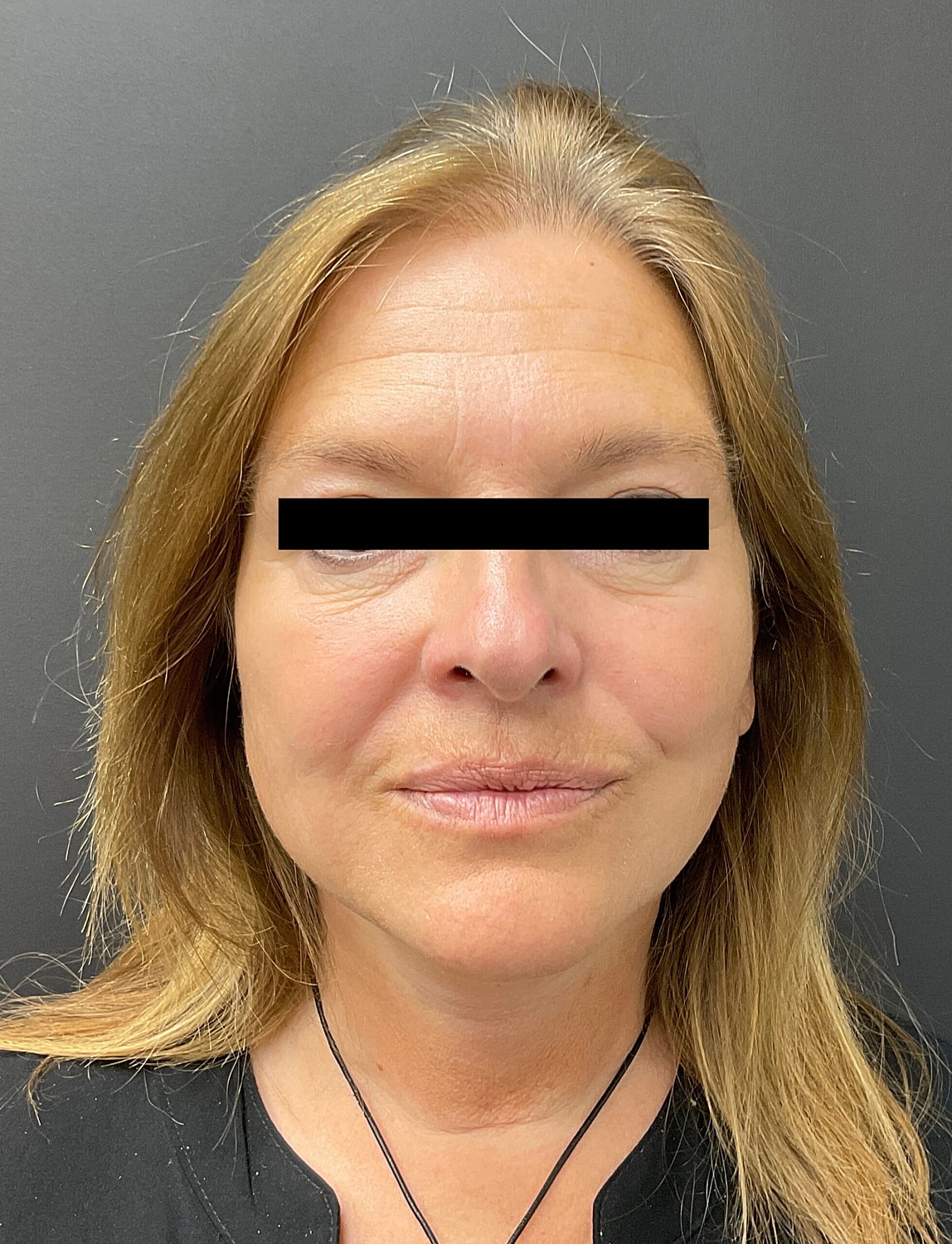
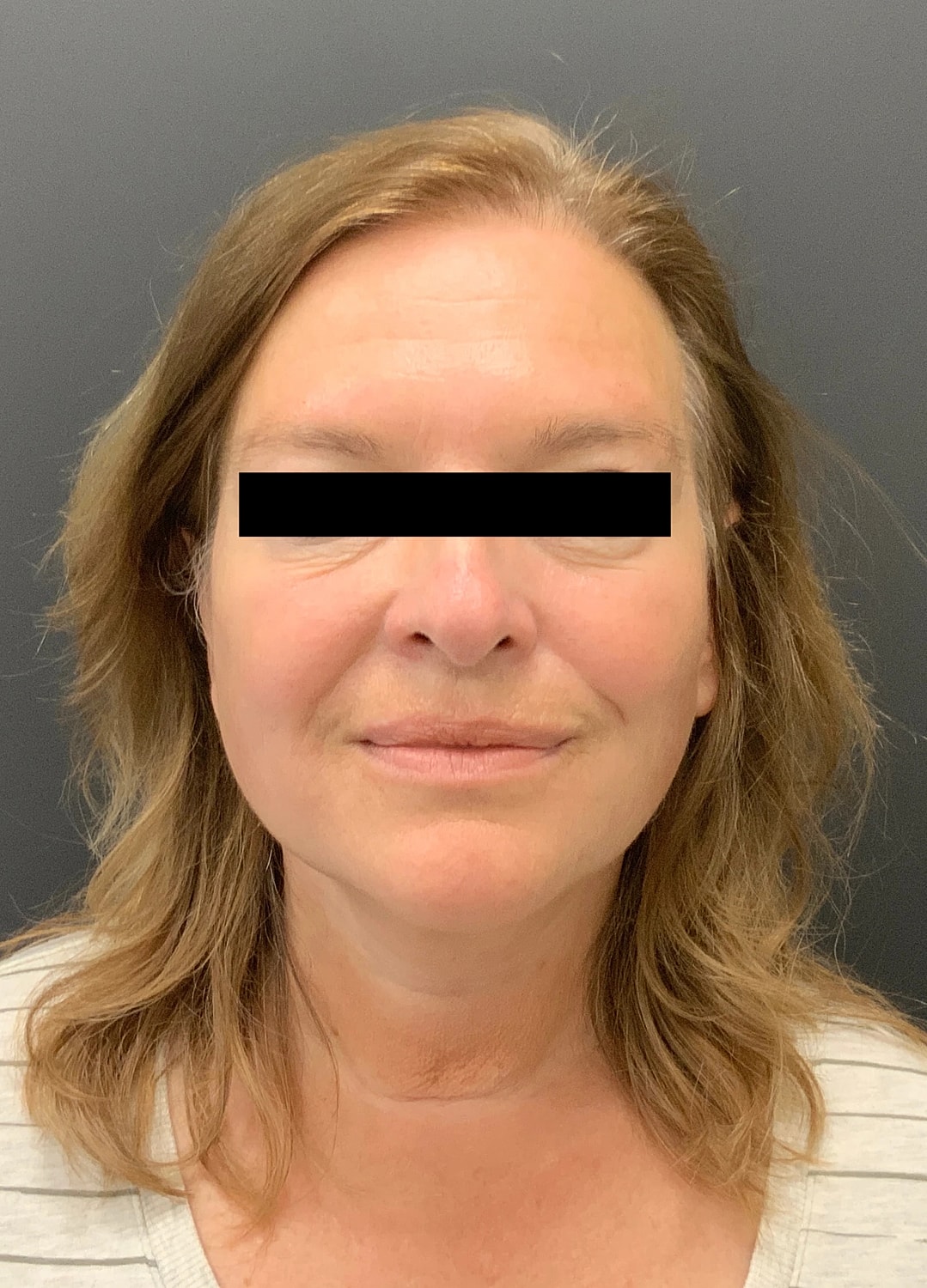
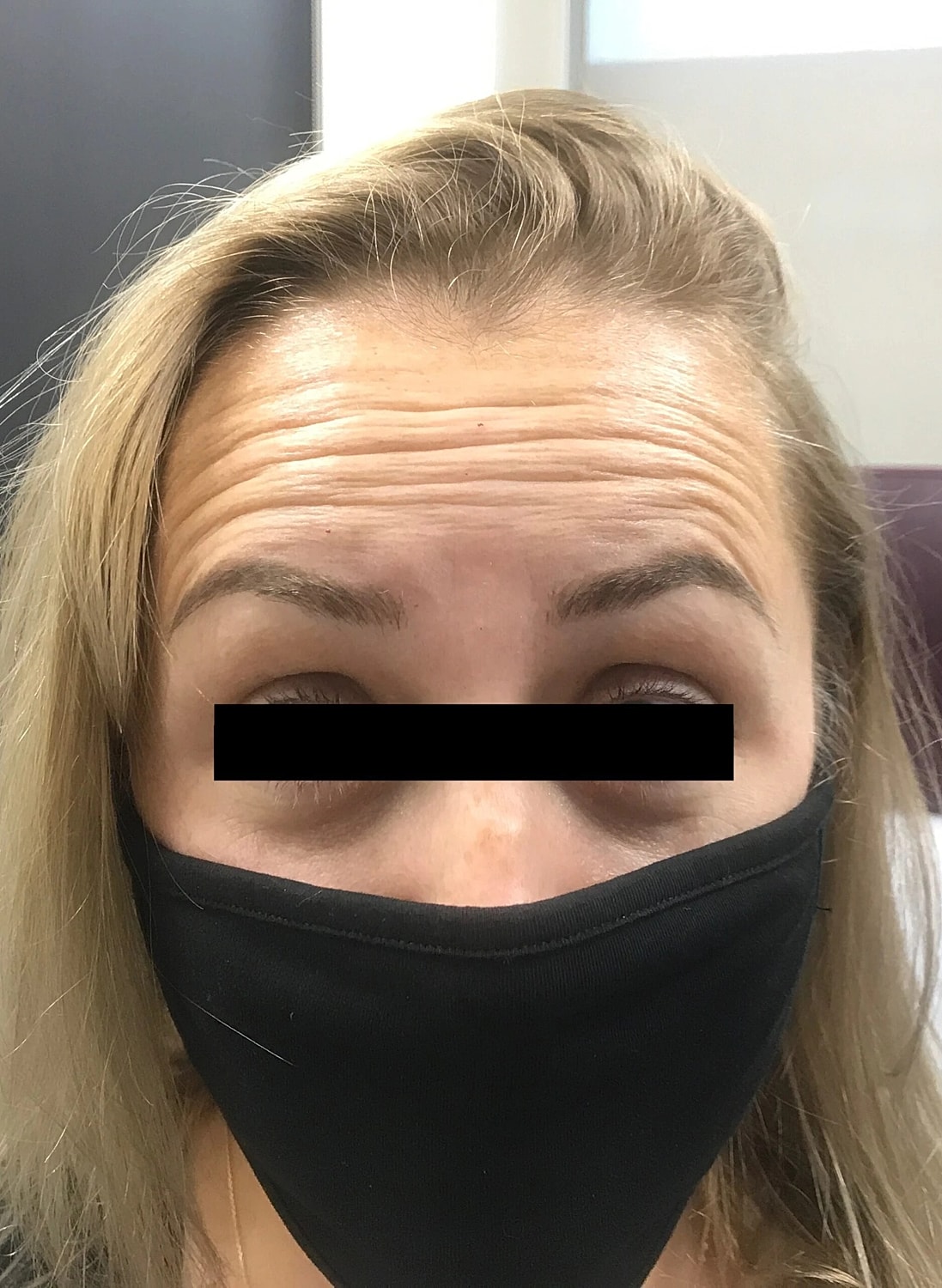
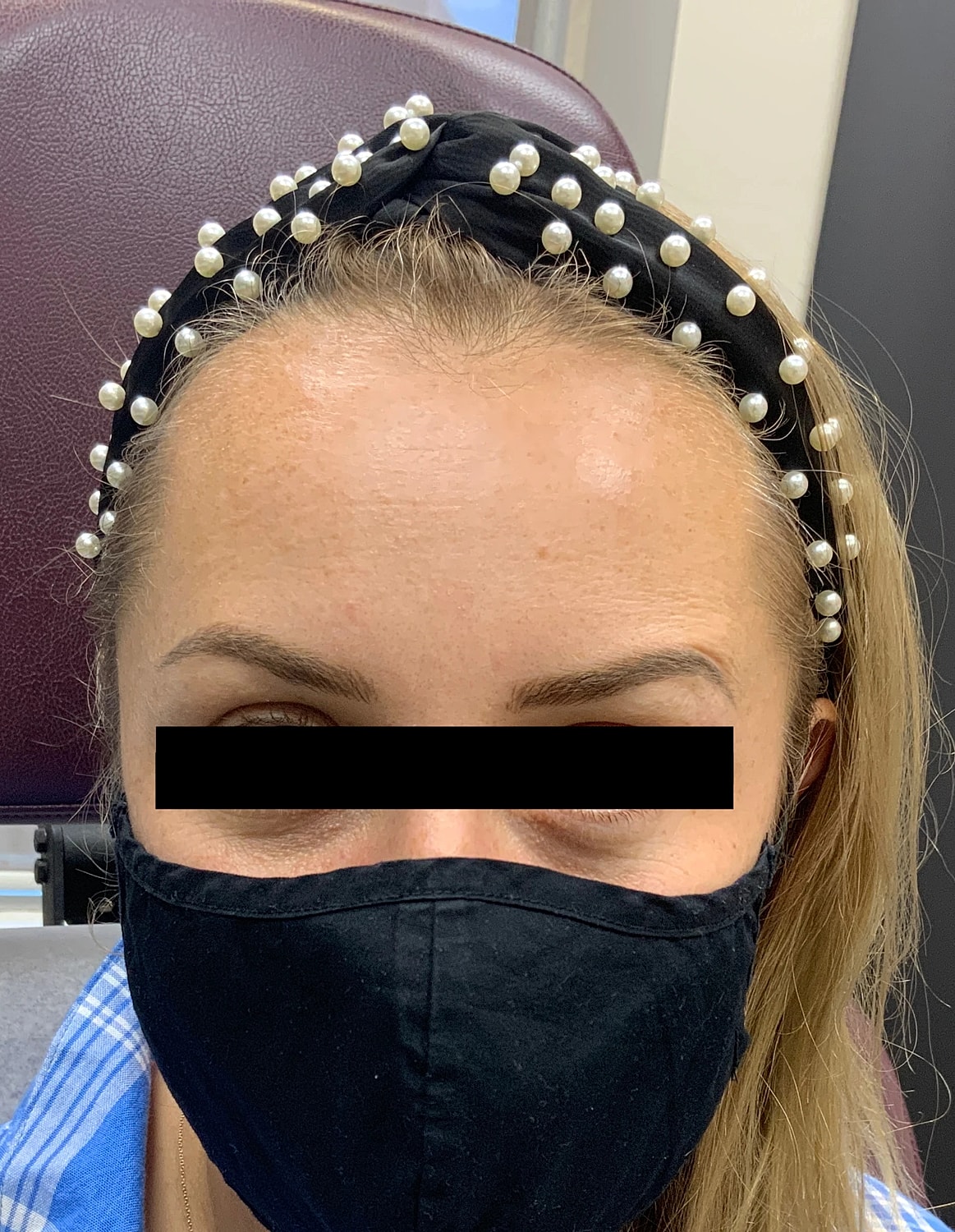
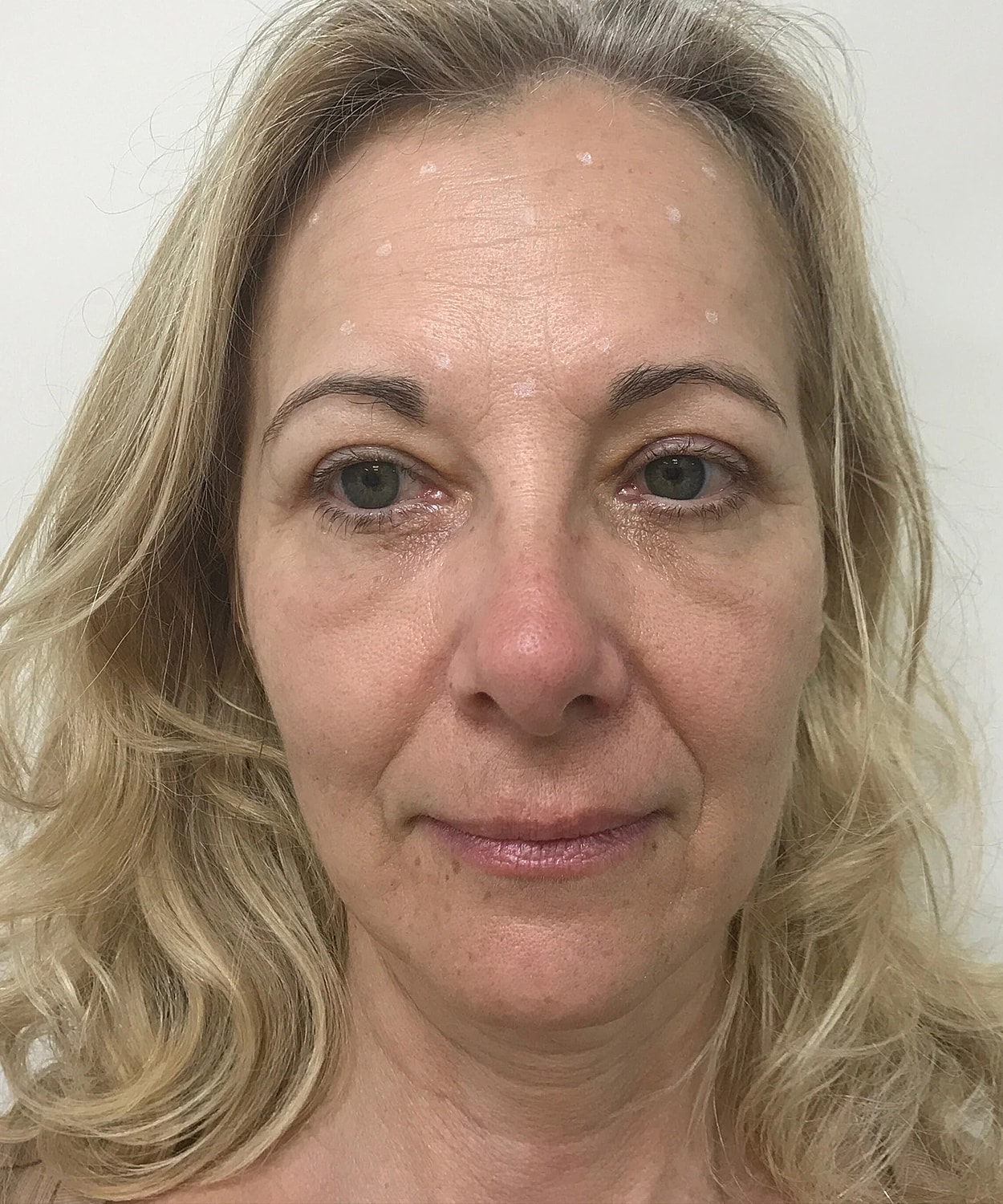
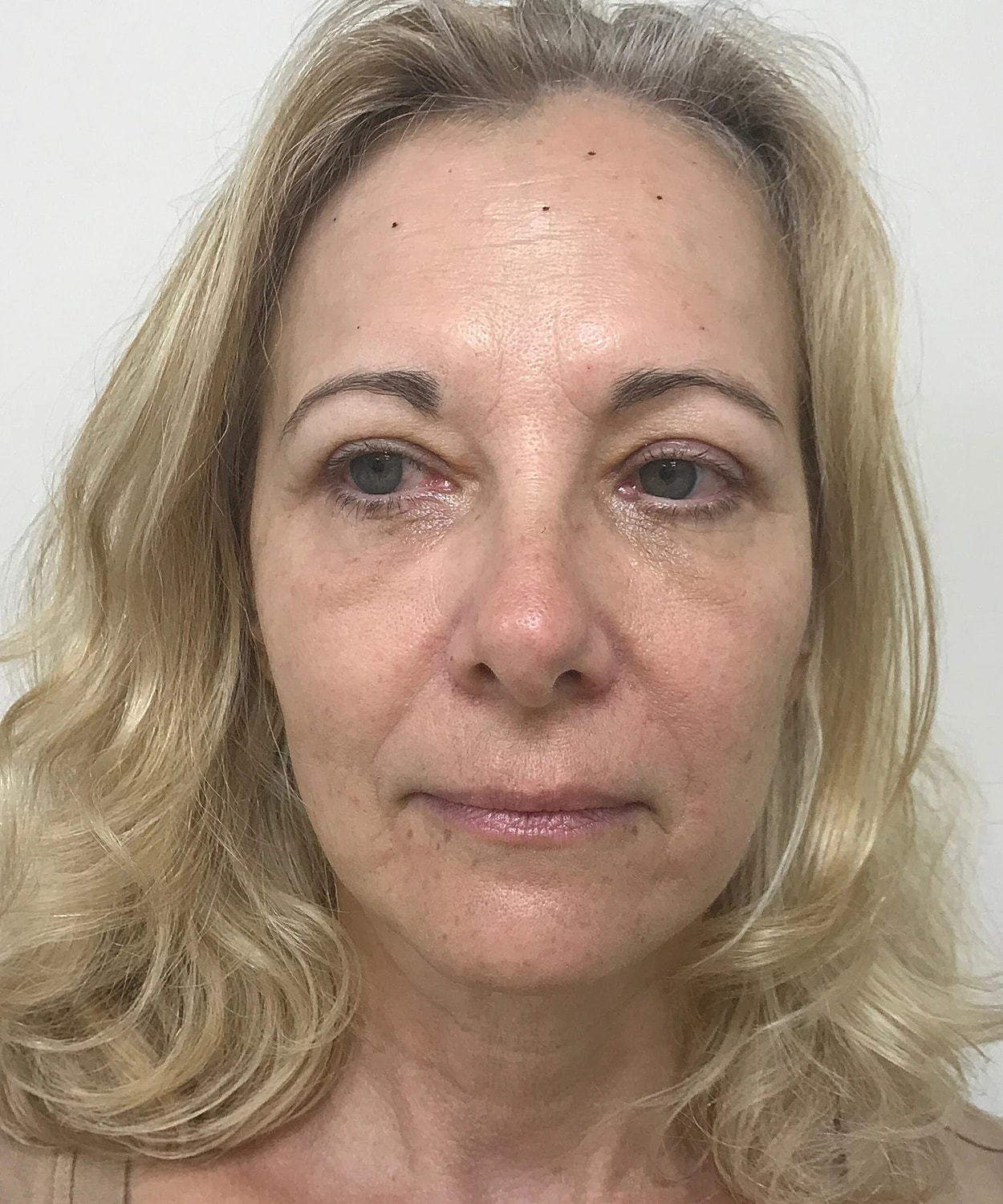
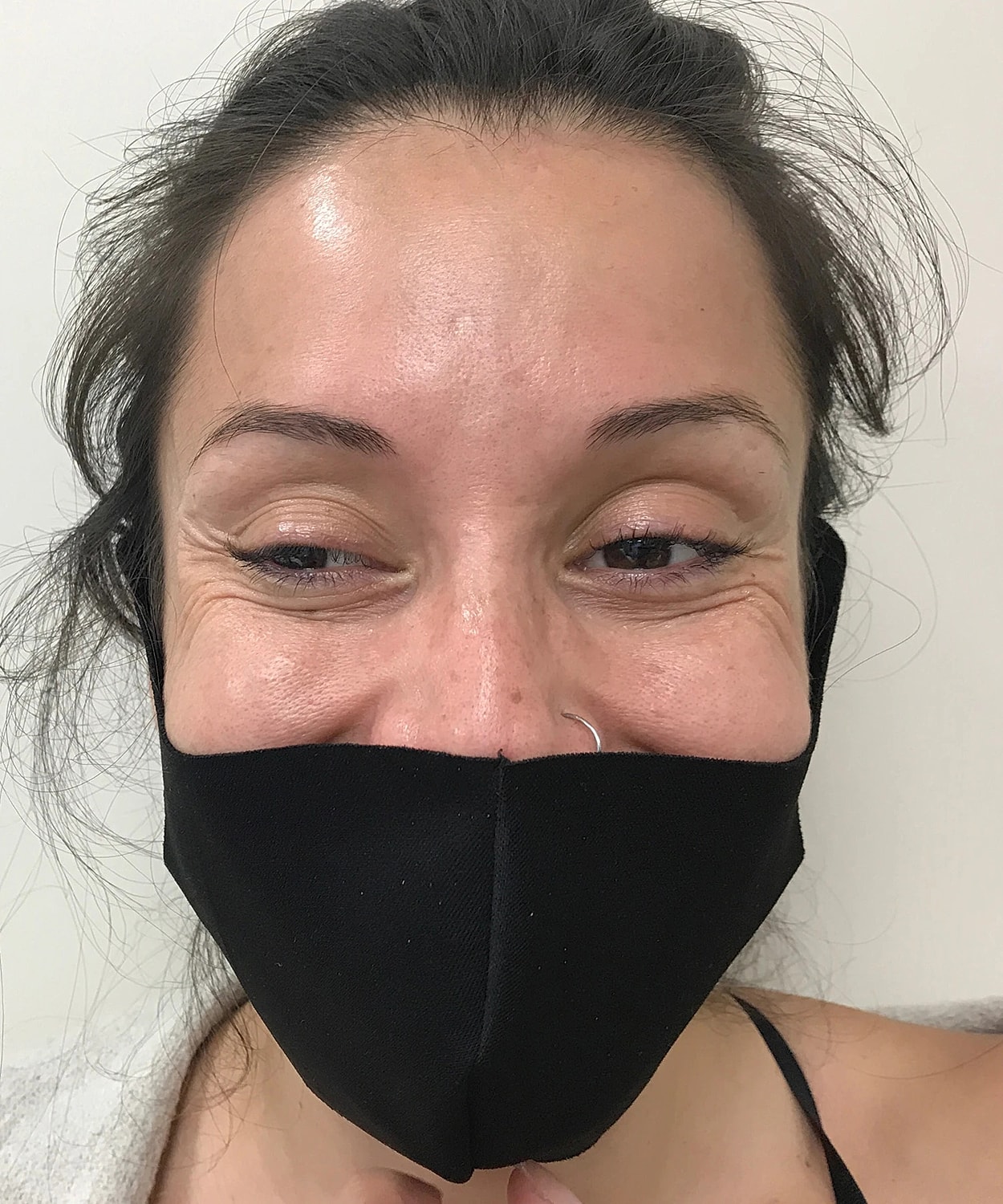
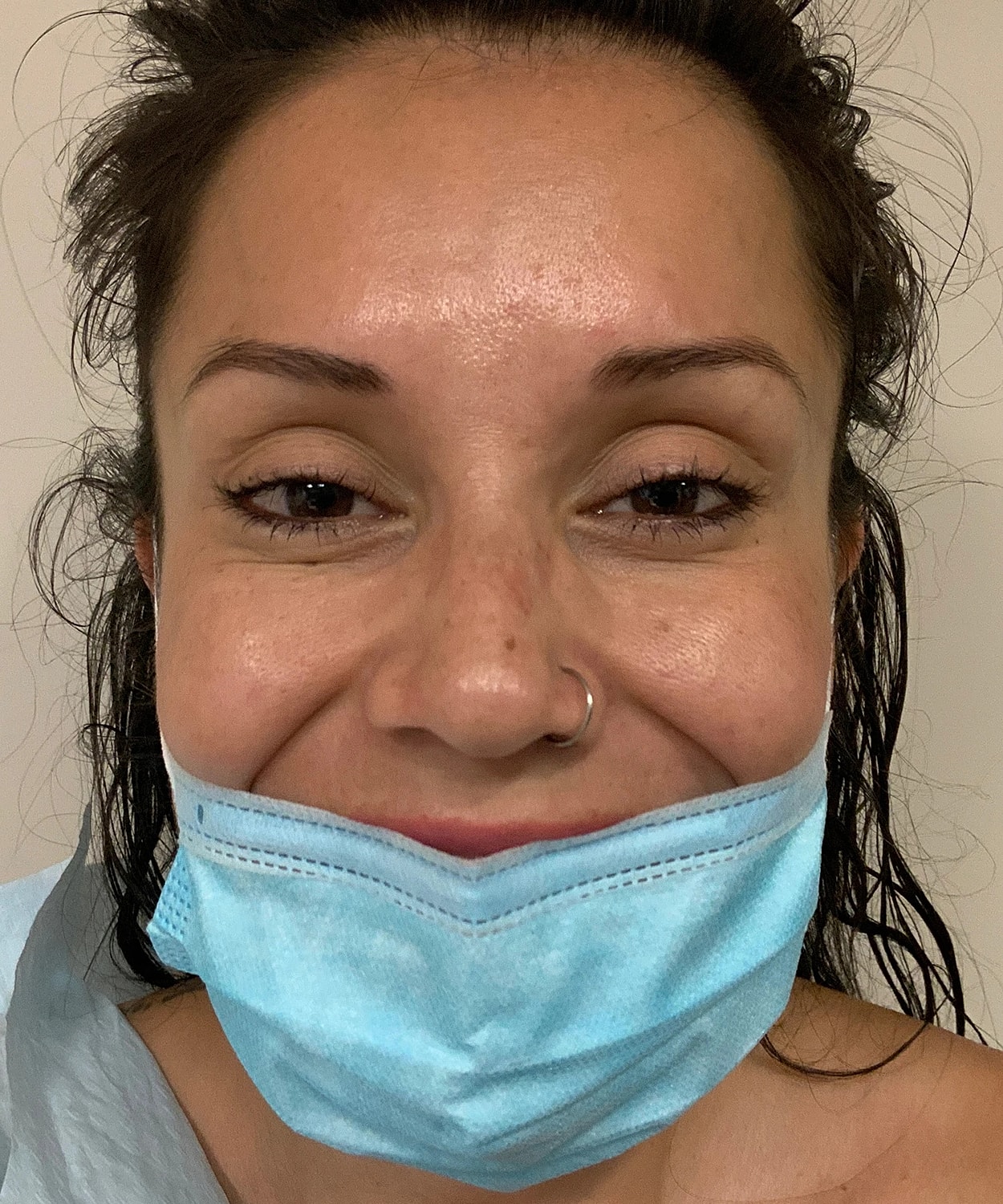
Take a look at examples of patients who have had neuromodulator treatments at FORM Face + Body. Keep in mind that results are different for everyone, and photos can’t guarantee what Dysport will do for you.
1 of 4
A Prescription Neuromodulator
Dysport Aesthetic is an injectable form of abobotulinumtoxinA used to temporarily reduce movement in selected facial muscles. It belongs to a category of treatments called neuromodulators, which also includes BOTOX® Cosmetic.
Expression lines appear when the muscles under your skin contract over and over. Dysport works by lowering the chemical signal that tells these muscles to contract. When the muscle relaxes, the skin above it isn’t pulled as much, so the line looks softer.
Health Canada has authorized Dysport Aesthetic for the temporary improvement of moderate-to-severe glabellar lines, commonly called frown lines, and lateral canthal lines, commonly called crow’s feet, in adults under 65. Your Provider will explain whether your concern falls within the authorized indication and whether Dysport is suitable for you.
Dysport at a Glance

Between the Lines

The vertical creases between the eyebrows are created by muscles that draw the brows inward and downward. Dysport can temporarily soften this movement and reduce moderate-to-severe glabellar lines.
Crow’s feet form when the muscle around your eye contracts as you smile or squint. Dysport can help soften moderate-to-severe lines at the outer corners of your eyes. Your treatment plan will also consider your brow position, eyelid support, facial symmetry, and how much expression you want to keep.
Patients may also ask about forehead lines, bunny lines across the nose, or movement in the lower face. The approved Canadian aesthetic indication for Dysport is specific to frown lines and crow’s feet. If another area concerns you, your Provider can assess it and explain which product or treatment approach is medically appropriate.
Anatomy at Work
Dysport acts at the connection between a nerve and a muscle. It temporarily inhibits the release of acetylcholine, the neurotransmitter that triggers muscle contraction. The treated muscle continues to exist, and the surrounding skin is not filled or resurfaced; it simply receives less of the signal that causes repeated movement.
Dysport is meant for dynamic wrinkles that are caused or made deeper by muscle movement. It doesn’t add volume, improve skin texture, or remove extra skin. Lines that are visible even when your face is relaxed might get softer, but they may not go away completely.
Muscle balance is as important as the amount injected. The forehead, brows, eyelids, and eye area influence one another, so placement should reflect the way your face moves as a whole.
The Appeal of Subtlety
Dysport can be used in specific areas based on where your muscles are strongest and where lines show up. This is especially important if one side of your face moves differently or if your brow and eyelid position need extra attention.
After Dysport Toronto patients might start to notice some changes within two to three days. The results will keep developing after that, so what you see in the first few days isn’t the final outcome.
Most people can get back to their usual activities soon after treatment. You might have some redness, swelling, tenderness, or bruising where you had injections. FORM will let you know about any short-term things to avoid.
Dysport’s effects are temporary. You and your Provider can decide on future treatments based on how you respond, what you prefer, and any changes in your goals.
A Question of Fit
For our patients in Toronto Dysport might be a good choice if they have moderate-to-severe frown lines or crow’s feet from repeated facial movement and want a temporary, non-surgical solution. It’s important to know that results, dose, and how long it lasts can vary from person to person.
Your Provider will examine your face at rest and in motion. Muscle strength, brow position, eyelid function, skin quality, asymmetry, previous procedures, and your preferred movement all inform the recommendation.
Dysport should not be used if you have an infection at a proposed injection site, a known allergy to an ingredient, or an allergy to cow’s milk protein. Additional caution may be required for neuromuscular conditions, swallowing or breathing difficulties, bleeding concerns, certain eye conditions, marked muscle weakness, or surgically altered anatomy.
Tell your Provider if you are pregnant, planning a pregnancy, or nursing. Use during lactation is not recommended in the Canadian product monograph, and potential risk during pregnancy is not fully known. Aesthetic Dysport is not recommended for patients under 18. Health Canada has not authorized the aesthetic indication for patients 65 and older because clinical data are limited.
This list doesn’t cover everything. A consultation is needed to go over your health history, medications, past injectable treatments, and any symptoms that might affect your safety.
A Few Things First
Share medical conditions, allergies, facial surgery, eye or eyelid concerns, swallowing or breathing problems, and previous reactions to injectables.
Provide a current list of medications and supplements. Mention antibiotics, muscle relaxants, and any botulinum toxin product received within the previous four months. Do not stop prescribed medication unless its prescriber tells you to do so.
Your Provider might ask you to come in without makeup on the area to be treated. Be sure to follow FORM’s instructions, which may be tailored to your history and where you’ll get injections.
Consultation, Planning, and Treatment
Your appointment starts with a chat about the lines you’ve noticed, the changes you want, and how much facial movement you’d like to keep. Your Provider will look at your history and any previous injectables, then check your face both at rest and while you make different expressions. This helps figure out which muscles are causing the lines and how treatment might affect nearby features.
Once candidacy is confirmed, your Provider explains the proposed areas, dose, expected effect, limitations, alternatives, and risks. The skin is cleansed and Dysport is placed into selected muscles through small injections. You may feel brief pinches or pressure. Before you leave, FORM reviews aftercare and when to contact the clinic with a concern.
Back to Your Rhythm
Many of our Toronto Dysport patients have very little downtime after their appointment. You might have some temporary redness, swelling, sensitivity, or bruising, and how long these last can be different for everyone.
Most people can go back to their normal routine right away. If you tend to bruise easily or have a big event coming up, it’s a good idea to give yourself some extra time just in case.
Be sure to follow FORM’s instructions closely for the first 48 hours. Ask when it’s okay to exercise, use makeup or skincare, or touch the treated areas. Don’t rub the injection sites unless you’re told it’s safe.
Your Provider may also give you advice about things like strenuous exercise and sun exposure right after treatment. These tips can be different for each person, so it’s best to follow the instructions you get at your appointment instead of using a general online checklist.
Let the Change Settle
Changes often begin within two to three days, as the treated muscle becomes less forceful and the overlying line looks softer.
Your Dysport results develop gradually, so give them time to settle before deciding if you need anything else or want to adjust the treatment.
A Matter of Time
Results commonly last about three to four months. The Canadian product monograph states that the clinical effect may last up to four months. Duration varies with the area treated, muscle strength, dose, metabolism, and individual response.
As Dysport wears off, your muscle movement and expression lines will slowly come back. Maintenance is up to you and should depend on how you respond to treatment. Injections shouldn’t be done more often than every three months.

On Your Terms
An initial Dysport treatment is generally performed in one appointment. The number of injection sites and amount used are selected for your anatomy and treatment area.
If you want to maintain the effect, you may return when movement and lines begin to reappear, provided the appropriate interval has passed. Your first result gives your Provider useful information about balance, duration, and response.
Planning for maintenance is a conversation, not a commitment. You might change your mind about what you want after you see how the treatment works for you.
The Numbers, in Context
The cost of Dysport in Toronto depends on things like the area being treated, your muscle strength, the number of injection sites, and the dose. Dysport units aren’t the same as BOTOX units, so you can’t compare prices just by looking at the unit cost.
FORM will look at your concerns and explain the recommended plan, cost, and available financing options before you start treatment. You’ll also find out if Dysport alone is likely to help or if another option might be a better fit.

Two Names, Important Distinctions
Dysport and BOTOX Cosmetic are prescription neuromodulators derived from botulinum toxin type A. Both temporarily reduce selected muscle activity and are used to soften expression lines. Neither product produces a permanent result.
Dysport contains abobotulinumtoxinA, while BOTOX Cosmetic contains onabotulinumtoxinA. Each has its own formulation, dosing system, approved indications, and treatment guidance. Their units are not equivalent and should never be converted as if they were the same measurement.
The recommendation reflects the treatment area, anatomy, history, prior experience, and individual response. Share the date, dose if known, result, and side effects of previous neuromodulator treatments.
People often want to know how many Dysport units they’ll need or try to compare the cost to BOTOX units. But the numbers aren’t directly comparable. Dysport units are based on its own active ingredient, abobotulinumtoxinA, while BOTOX uses a different one. Having more or fewer units doesn’t mean one product is stronger or better than the other.
For the same reason, a previous record of BOTOX units cannot be used as a simple formula for Dysport injections. Your Provider evaluates the targeted muscles, facial anatomy, treatment goals, and response to any previous BOTOX injections before recommending a product-specific dose. This is also why an individual quotation is more useful than comparing advertised unit prices.
A Wider Conversation
Forehead lines and wrinkles form from repeated movement of the frontalis muscle. Since this muscle also lifts your brows, treatment needs to carefully consider your brow position, eyelid support, facial expressions, and overall muscle balance. If a plan only targets wrinkles, it might miss how the treated area affects your natural features and smile.
The authorized Canadian aesthetic uses of Dysport are frown lines and crow’s feet in adults under 65. If forehead lines are your concern, your Provider will explain whether the proposed use falls outside that indication and whether Dysport, a BOTOX treatment, or another option is appropriate.
A lip flip uses a neuromodulator to reduce selected movement around the upper lip. Patients may also encounter information about masseter treatment for prominent masseter muscles or teeth grinding, and injections near sweat glands for excessive sweating. These concerns involve different anatomy, treatment goals, dosing, risks, and regulatory indications.
FORM does not treat every concern with the same injection pattern. If you are considering a lip flip, jaw treatment, or care for excessive sweating, a consultation can clarify whether a neuromodulator is suitable, whether the proposed use is authorized or off-label, and whether another service or medical assessment is more appropriate.
If you’re wondering if Dysport injections hurt, most people feel a few quick pinches from a very fine needle at each spot. Many people handle Dysport injections well, but it wouldn’t be right to say they’re painless for everyone. How it feels can depend on the person, the area treated, and how many injections you get.
Consider the Whole Picture
Dysport helps reduce movement caused by muscles, but it doesn’t add volume. If you’re worried about both facial movement and volume loss, your Provider might talk to you about dermal fillers. Each treatment has its own purpose in your plan.
Lines that show up when your face is relaxed can also be caused by sun damage, loss of collagen, or changes in skin texture. FORM might suggest medical-grade skincare, resurfacing, or another treatment. Be sure to follow the timing your Provider recommends.
The Candid Conversation
Possible side effects include pain, redness, swelling, itching, bruising, headache, dry eye, eyelid swelling, and temporary weakness near the injection site. Sometimes, you might get less or more effect than expected, uneven results, a drooping eyelid or brow, blurred or double vision, or a change in your facial expression.
Let your Provider know if you take blood-thinning medications or supplements before your treatment, since these can affect your risk of bruising. Don’t stop any prescribed medication unless your doctor tells you to. If you have an infection where you plan to get injections, treatment should be delayed. Your consultation will also cover possible complications and what to do if you have a bad reaction.
Like all botulinum toxin products, Dysport carries a serious warning about possible spread of toxin effects beyond the injection area. Seek immediate medical attention for difficulty swallowing, speaking, or breathing, generalized weakness, or other severe symptoms. Effects have been reported hours to weeks after injection and can be life-threatening.
The FORM Perspective
FORM looks at your facial movement, muscle strength, symmetry, brow and eyelid position, skin quality, and any previous treatments before deciding where to inject. This helps make sure the plan matches the changes you want to see.
Some people want a big reduction in movement, while others just want a little softening. Your preferences are important. FORM will also let you know if Dysport isn’t likely to help with your concern and when another treatment—or no treatment—might be better.
FORM Face + Body provides injectables, skin treatments, and surgical care all in one Toronto location. This means you can get a full assessment if your concern involves movement, skin quality, volume, or changes in facial structure. Treatments are done at 90 Eglinton Avenue East.
Start With Your Questions
If frown lines or crow’s feet are affecting how your expression looks, a consultation can help you figure out what’s caused by muscle movement and what’s due to your skin or facial structure.
You’ll get an assessment to see if you’re a good dysport candidate, a personalized treatment plan, a discussion of other options and any limits, plus clear details about recovery, risks, timing, and cost.

No. Both are botulinum toxin type A neuromodulators, but they contain different active preparations and use different dosing units. Dysport units are not interchangeable with BOTOX units. A Provider should select and dose each product according to its own prescribing information and your individual anatomy.
Many patients begin to notice a change within two to three days. The Canadian product monograph reports that some patients see results as early as 24 hours, with a median onset of three days. The effect continues to develop after the first signs appear.
That is not the intended result. Dose, placement, muscle strength, and your desired degree of movement all influence the outcome. A conservative plan can soften selected expression lines while retaining movement, although no Provider can guarantee a specific result or eliminate every risk of unwanted weakness or asymmetry.
Dysport results generally last three to four months, although duration varies. Muscle activity gradually returns as the effect wears off. The product monograph states that injections should not be repeated more frequently than every three months.
Most patients return to normal daily activities soon after treatment. Brief redness, swelling, tenderness, or bruising can occur at injection sites. Follow FORM’s aftercare instructions and ask how long to wait before exercise, makeup, skincare, or pressure on the treated areas.
Dysport can soften wrinkles driven by muscle movement. A line that remains deeply visible when the face is at rest may improve but may not disappear completely. Skin quality and volume loss can also contribute, so your Provider may discuss skincare, resurfacing, fillers, or another approach.
Plan ahead rather than scheduling immediately before an important event. Dysport needs time to take effect and settle, and temporary bruising or swelling is possible. Your Provider can help you choose timing that allows for both the developing result and normal variation in recovery.