Facelift
in Toronto


A facelift is a cosmetic surgery designed to improve visible signs of aging in the face and neck, correcting sagging skin and restoring a more youthful appearance. At FORM, we move beyond the superficial. A traditional SMAS facelift focuses on the Superficial Muscular Aponeurotic System — the layer of tissue beneath the facial skin. By repositioning this structural foundation, we can restore the heart-shaped face of your youth. Our Toronto facelift surgeons offer several variations on this standard mid facelift model, including the Deep Plane Facelift, Mini Facelift, and Lower Facelift, ensuring your facial cosmetic surgery plan is as unique as your anatomy.

1 of 6
Facelift names can make the decision feel more technical than it needs to be. The most useful question is which approach can address the changes you see while respecting your facial structure, skin quality, and goals. At FORM Face + Body, your surgeon examines where tissue has descended, the degree of skin laxity, the condition of the neck, and any previous treatments before recommending an approach.

The superficial musculoaponeurotic system, or SMAS, is a supportive layer beneath the skin. A SMAS facelift lifts and secures this deeper layer rather than relying on skin tension alone. It may be used to improve jowls, lower-face laxity, and softened jawline definition while allowing the skin to be redraped with less tension.
A deep plane facelift works beneath the SMAS and releases selected retaining ligaments so the deeper facial tissues can be repositioned together. This can give the surgeon greater mobility in areas such as the cheek, jawline, and lower face.
Deep plane surgery is one option within modern facelift care, and it is not automatically the right technique for every patient. Your anatomy, previous surgery, degree of descent, and desired change all guide the recommendation.
A mini facelift generally uses a more limited approach to address earlier or less extensive laxity, often around the jawline and lower face. “Mini facelift” is not one standardized operation, so the incision pattern, tissue work, recovery, and expected result can differ from one patient to another.
It may suit someone with mild to moderate jowling who does not need the correction of a full facelift.
A lower facelift concentrates on the lower third of the face, including jowls and loss of jawline definition. It may be performed alone or coordinated with neck surgery when lax skin, muscle banding, or fullness below the chin also affects the profile.
Your surgeon will explain the areas included in your plan so that “lower facelift” has a clear, specific meaning for you.
No technique wins on its name alone. The right plan is the one that fits your anatomy and offers a realistic path to the natural-looking change you want.
A facelift and a neck lift address connected areas, but they do different work. A facelift primarily repositions descended facial tissue to improve the cheeks, jowls, lower face, and jawline. A neck lift focuses below the jaw, where loose skin, vertical platysmal bands, and excess fat can soften the neck and profile.
Some patients have facial aging with relatively little neck laxity and may benefit from a facelift-focused plan. Others are mainly concerned with the neck. When both areas have changed, combining the procedures can create a more continuous transition from the face through the jawline and neck.
Your consultation is where FORM maps the source of each concern and recommends the scope that fits your goals.
Treatment Type: Surgical repositioning of deep facial tissues and muscle (SMAS).
Downtime: 10–14 days for social readiness; 4 weeks for full activity.
Results: A “reset” of the clock; patients often look 10–15 years younger.
Duration: Typically 3 to 5 hours depending on the complexity.
Best For: Correcting jowls, deep nasolabial folds, and mid-face volume loss.
A definitive, personalized quote will be curated for you during your private consultation.
6-8 weeks
1 treatment
Facelift procedures are performed under general anesthesia, and at least one overnight stay at our Toronto clinic is required after surgery.
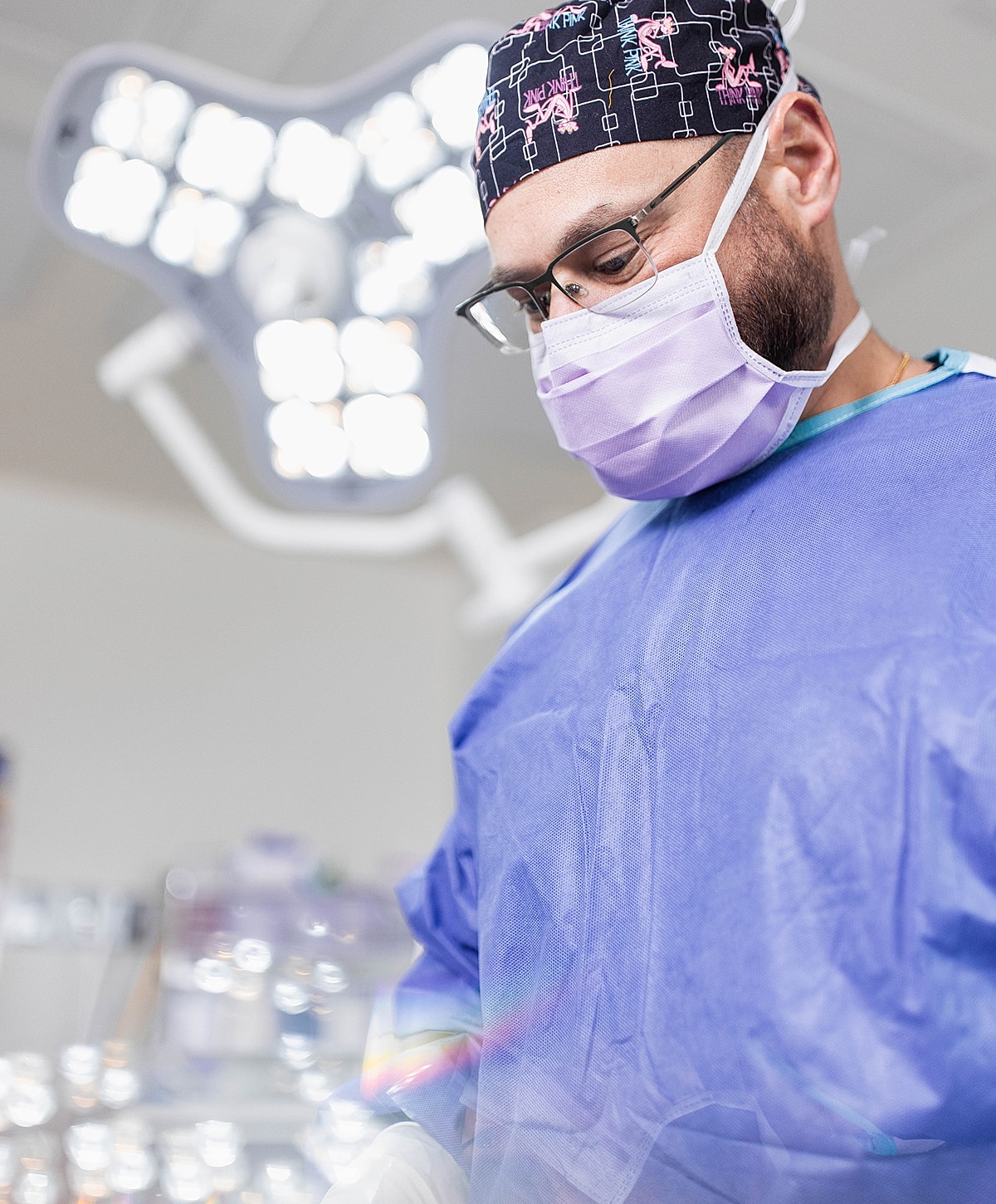
Your Toronto plastic surgeon makes discreet incisions, typically following the natural contours of the hairline and the edge of the ear to ensure scars are virtually undetectable. Through these incisions, the deeper tissues are released and vertically repositioned to their original, youthful location. Excess skin is then redraped and trimmed. The result is a smooth, firm jawline and rejuvenated cheeks that move naturally when you speak or smile.
Defining the Standard of Facial Artistry
Through their commitment to excellence and thoughtful care, Dr. Ron Somogyi, Dr. Cory Goldberg, and Dr. Michael Brandt are passionate about helping you find your true form.

Focused Refinement
With a facelift Toronto patients have the definitive solution to improve several common signs of aging:
The benefits of a facelift are transformative. It doesn’t just change how you look; it changes how you move through the world. By aligning your outward appearance with your internal energy, you experience a profound boost in personal and professional confidence.
Biological Integrity and Natural Motion
The primary benefit of the FORM Method is the preservation of natural motion. Because we lift the deep muscle layers rather than tensioning the skin, your facial expressions remain authentic. You won’t look like a different person; you will look like the you that you remember from before.
Aging On Your Terms
The ideal facelift candidate is in good overall health and has noticed significant skin laxity or “heaviness” in the lower face.
While there is no “perfect age,” many patients are in their 40s to 70s. You are a candidate if you have realistic expectations and desire a permanent, structural lift rather than temporary, non-surgical solutions.
Facelift recovery time depends on possible additional surgical procedures. We work with each patient to design a holistic surgical plan tailored to their goals, which may include complementary procedures such as a brow lift, blepharoplasty, or CO2 laser resurfacing. You will experience some facial swelling following the surgery. Our recovery treatments target these expected side effects to improve your results and minimize swelling and scarring. Light activity can begin on the first day, and full recovery can be expected 6-8 weeks post-op. Skincare and sun protection are essential during recovery.
Recovery has several milestones, which is why “downtime,” “return to activity,” and “full recovery” do not all mean the same thing. Your timeline will depend on the surgical technique, the extent of the procedure, any combined treatments, and how your body heals.
Swelling, bruising, tightness, and temporary numbness are expected early in recovery. Rest, keeping your head elevated, taking short walks as directed, and following incision-care instructions are usually central to the first phase.
FORM will schedule follow-up care and tell you when dressings, drains, or sutures need attention based on your surgical plan.
Visible bruising and swelling generally begin to settle during the second week, though you may still feel tightness or notice areas of numbness. Many of our Toronto facelift patients feel ready for desk work or low-key social plans after about 10 to 14 days.
Give yourself flexibility if your work is physically demanding or you prefer to wait until residual swelling is less noticeable.
Facial contours become easier to appreciate as swelling continues to decrease. Your surgeon may clear you to increase exercise and other activities at around four weeks, but clearance is individualized.
Reaching an activity milestone does not mean every subtle sign of healing has resolved.
By six to eight weeks, much of the active recovery is usually behind you. Mild swelling, firmness, tightness, or altered sensation can take longer to settle, and the result may continue to refine for three to six months.
Follow FORM’s pre- and post-operative instructions and contact the surgical team if a symptom feels sudden, severe, or different from the expectations reviewed with you.
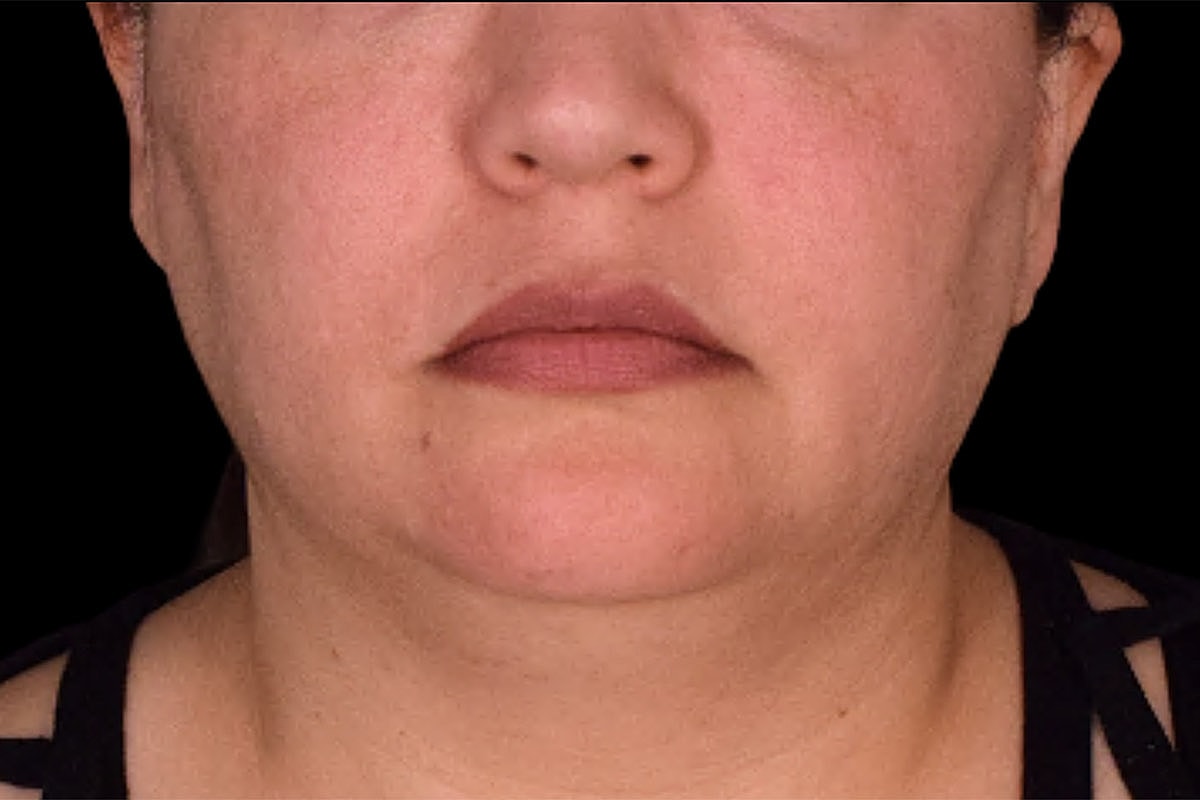
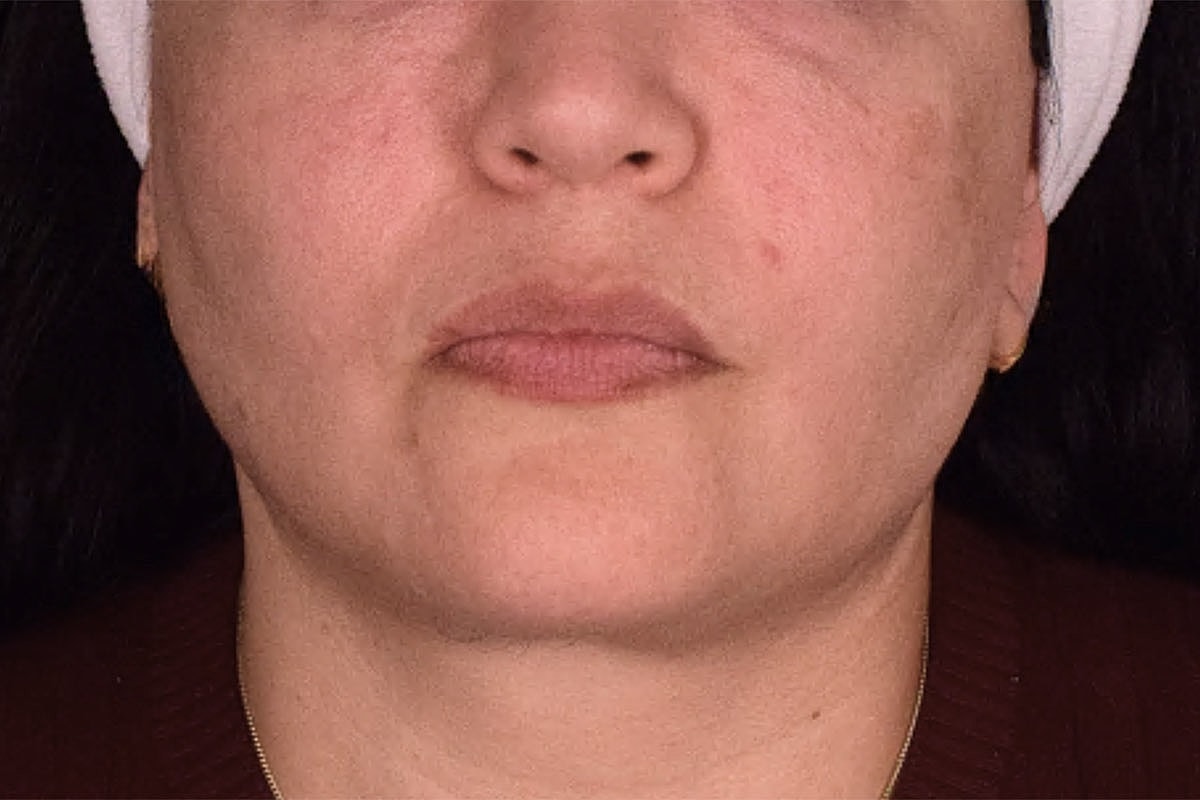
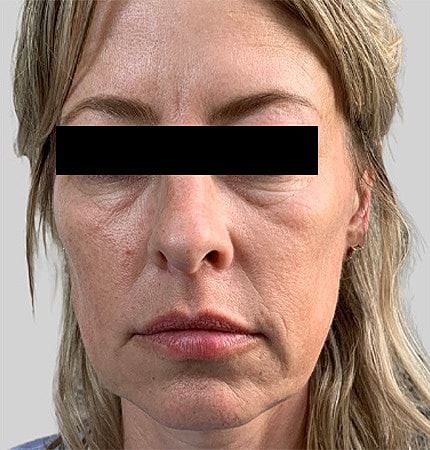
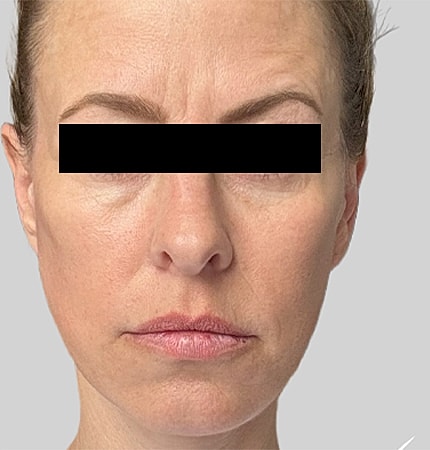
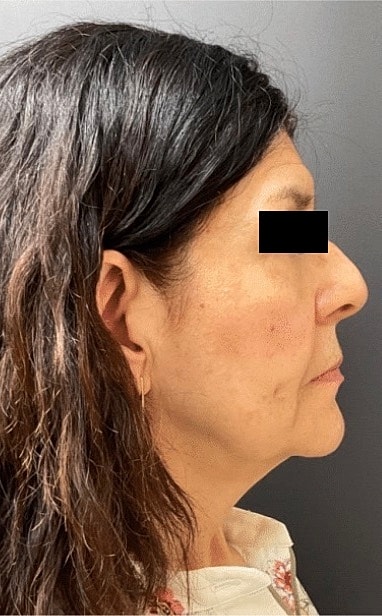
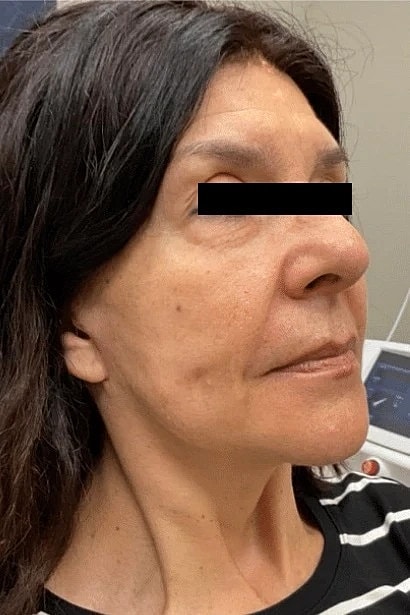
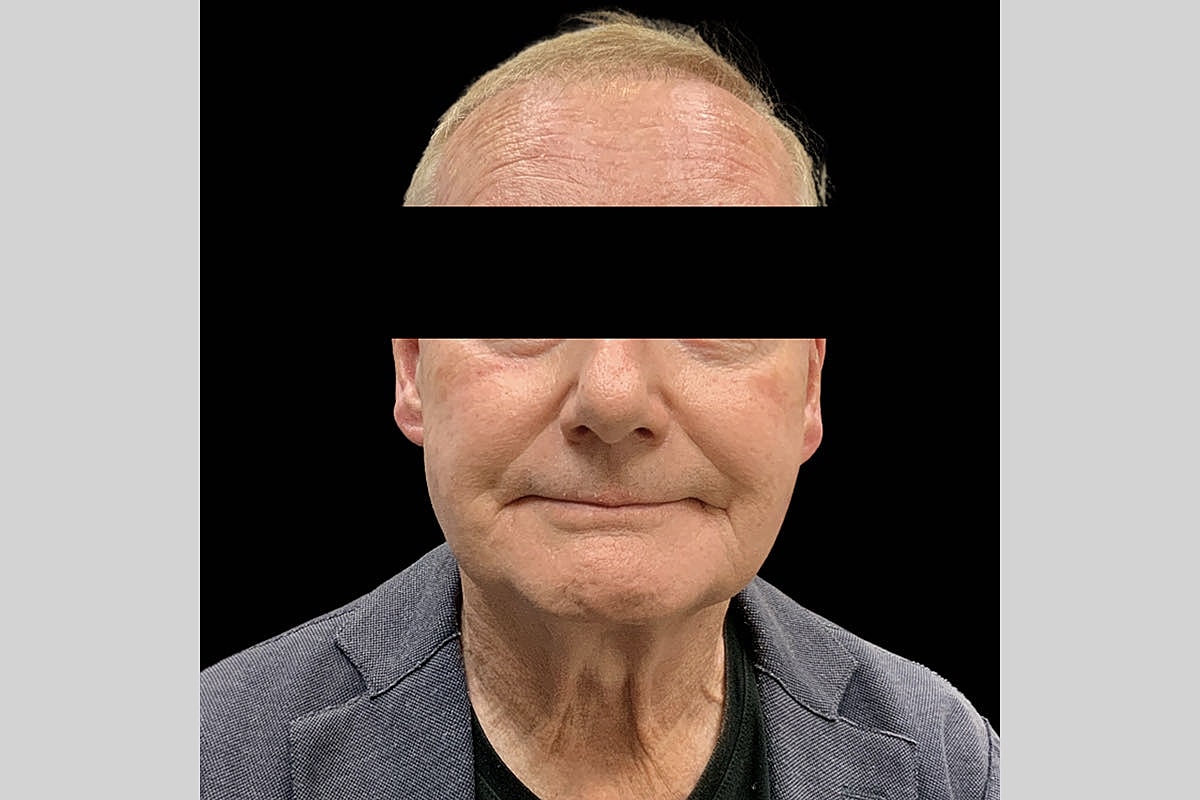
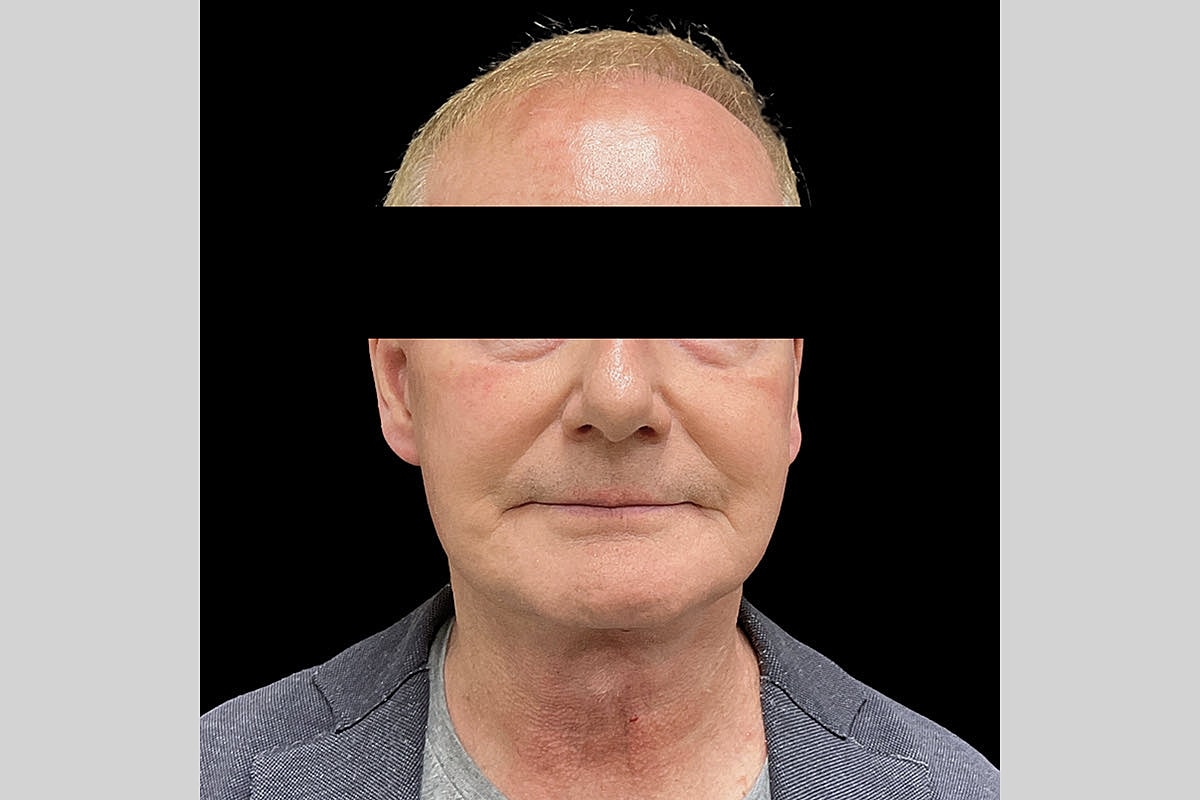
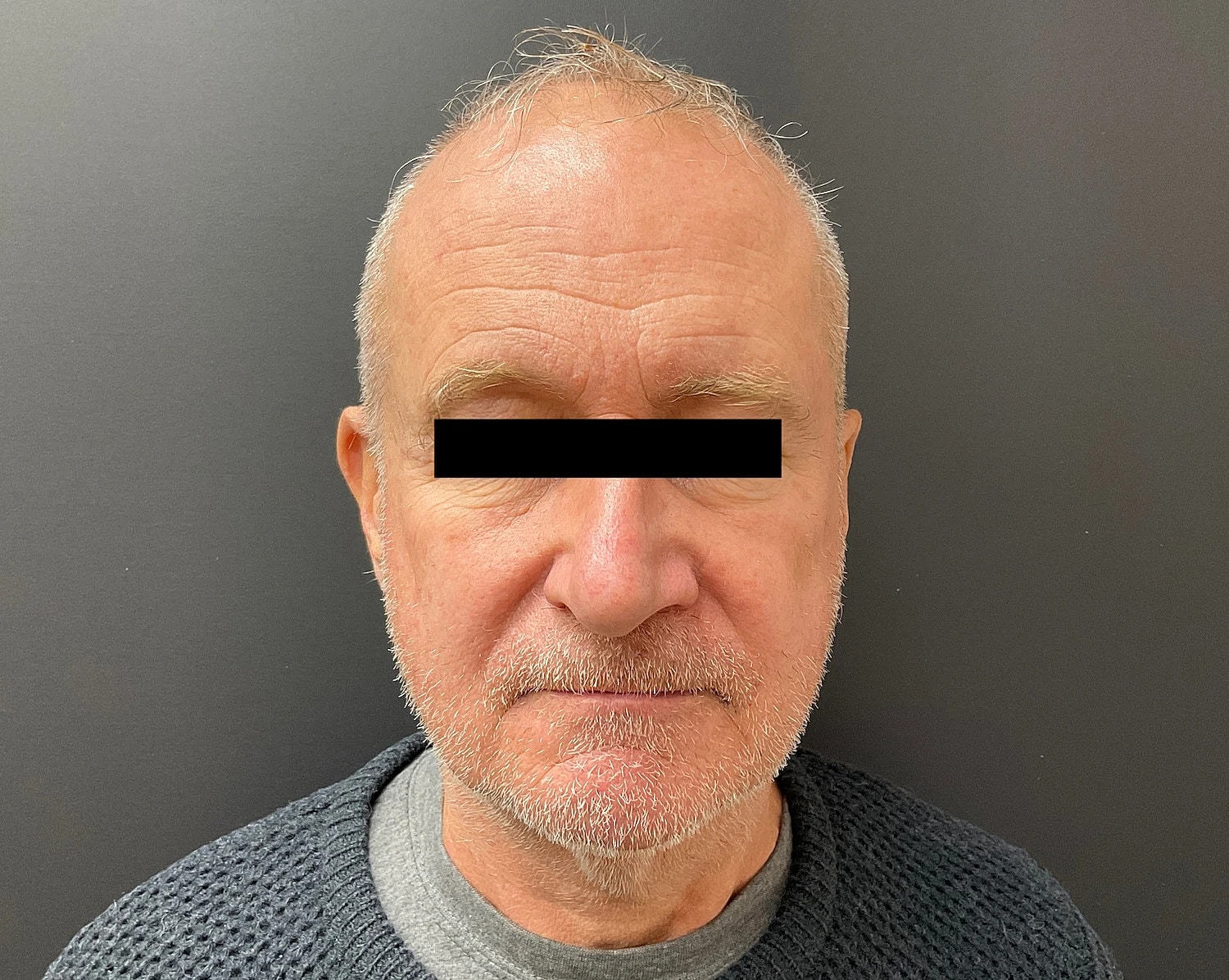
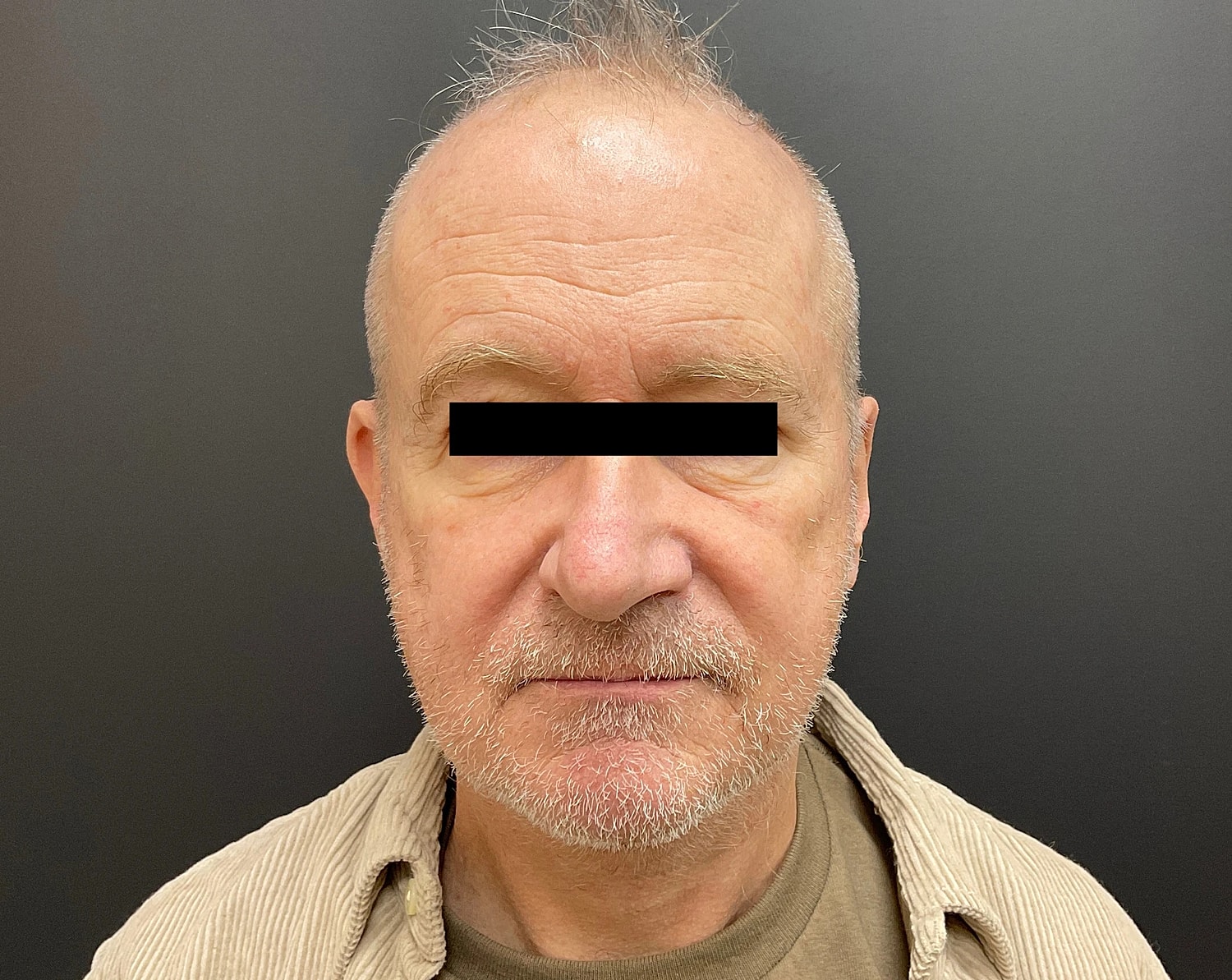
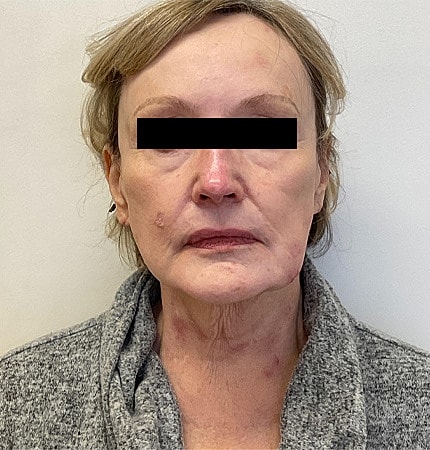
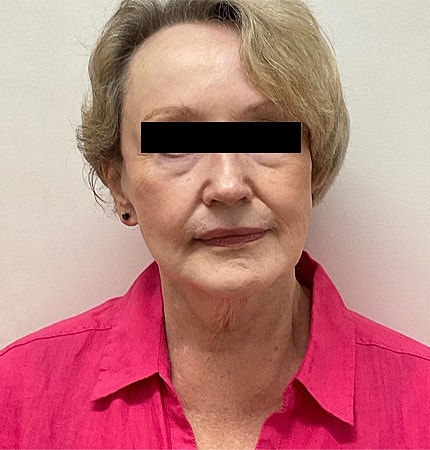
The results of a facelift are permanent in the sense that you will always look younger than if you hadn’t had the procedure. You can expect a more defined jawline, lifted cheeks, and a smoother mid-face. While the initial “reveal” happens after two weeks, the results continue to refine over 3 to 6 months as the deep tissues settle.
A facelift effectively “turns back the clock.” While you will continue to age naturally, you will do so from a much more youthful starting point. Most patients enjoy the benefits of their lift over the course of several years, supported by the healthy lifestyle and skin care protocols we provide.
The results are long-lasting, with an appearance looking at least 10 years younger. Even with natural aging, proper skin care and additional non-surgical treatments can prolong these results.

In Toronto facelift cost depends on the technique, the areas treated, the complexity of the operation, and whether your plan includes a neck lift or another complementary procedure. Anesthesia, surgical facility care, overnight monitoring, and follow-up needs may also affect the total. FORM provides a personalized quote after your surgeon has examined your face and neck and discussed the result you want. Your quote should make the planned procedure and included care clear, giving you a more useful figure than a broad online average.
Financing options are available for patients who prefer to divide the cost into scheduled payments. Price matters, but the lowest quote may reflect a different procedure, level of support, or surgical scope. Compare recommendations carefully and make sure you understand the surgeon’s plan, credentials, facility, aftercare, and approach to complications before deciding.
Non-surgical treatments can be valuable when skin laxity is early, surgery is not the right step, or the goal is to maintain skin quality. They cannot remove excess skin or reposition descended facial tissues to the same degree as facelift surgery.
XERF uses non-invasive radiofrequency energy to support collagen remodelling and gradually improve firmness in areas such as the lower face, under the chin, and neck. Dermal fillers can restore selected areas of volume, while resurfacing and skincare address concerns closer to the skin’s surface.
These options solve different problems, and they may complement a surgical plan rather than duplicate it.
At your consultation, FORM will separate tissue descent, volume loss, skin laxity, and surface changes. That assessment makes it easier to choose care that matches the concern instead of asking one treatment to do a job it was not designed to do.
Book Today
At FORM, we specialize in the natural look. Dr. Somogyi and Dr. Goldberg are recognized for their surgical precision and their ability to hide incisions within the natural anatomy.
By combining world-class surgical skill with the FORM infrastructure, we ensure your facelift is safe, your recovery is rapid, and your results are nothing short of spectacular.
Once you’ve booked, one of our friendly Patient Coordinators will be in touch by phone to personally confirm your appointment and answer any questions you may have. To secure your dedicated consultation time, a consultation fee will be kindly requested at that point.
A deep plane facelift is a comprehensive approach to facial rejuvenation that focuses on repositioning deeper muscles and fat for a more dramatic, longer-lasting result. Your surgeon will carefully assess your facial anatomy, signs of aging, and goals to determine the best surgical approach for you.
Not at FORM. Our philosophy is rooted in “The Quiet Beauty of Precision.” By focusing on the deep layers and using meticulous suturing techniques, we avoid the “pulled” look associated with older surgical methods.
Most patients feel comfortable returning to a desk job or social settings within 10 to 14 days, though some residual swelling may persist for a few weeks.
Yes. In fact, many patients find that a facelift allows them to stop relying on excessive filler, which can sometimes make the face look “puffy” rather than lifted.
A standard facelift focuses on the lower face. However, many patients choose to combine it with a blepharoplasty (eyelid lift), a brow lift, or other procedures for comprehensive rejuvenation. This integrated approach ensures that your facial harmony is maintained, as refreshing one area while leaving another untouched can sometimes lead to an unbalanced appearance. By grouping these treatments, you also benefit from a single recovery period, allowing you to return to your normal routine with a complete and natural-looking transformation. This strategy is a key part of our 360-degree care model at FORM Face + Body, where we focus on your overall aesthetic goals rather than just individual concerns.
There is no single average that accurately reflects every facelift because the surgical scope can vary considerably. Technique, face-and-neck involvement, operating time, anaesthesia, facility care, and combined procedures all affect cost.
FORM provides a detailed quote after your consultation so you can understand the procedure being recommended and the care included.
There is no ideal age for everyone. Many facelift patients are in their 40s through 70s, but candidacy depends more on facial anatomy, tissue laxity, health, goals, and readiness for recovery than on a birthday.
A consultation can determine if surgery is appropriate now or if a less extensive option better fits the changes you see.
Both approaches address support beneath the skin. A SMAS facelift lifts or reshapes the superficial musculoaponeurotic system, while a deep plane approach dissects beneath that layer and releases selected retaining ligaments so deeper tissues can move together.
Neither label guarantees a better result. Your surgeon chooses an approach according to your anatomy, degree of descent, previous procedures, and goals.
A facelift is generally selected for descended cheeks, jowls, and lower-face laxity. A neck lift addresses loose neck skin, platysmal bands, and fullness beneath the chin.
If aging changes cross the jawline and neck, your surgeon may recommend combining them to maintain a balanced transition between the two areas.
No. Non-surgical treatments may improve mild laxity, selected volume loss, fine lines, or skin quality, but they cannot remove excess skin or reposition deeper descended tissues as surgery can.
For someone with early changes or different priorities, a treatment such as XERF may still be a meaningful option.
Potential risks include bleeding or hematoma, infection, fluid accumulation, poor wound healing, unfavourable scarring, changes in sensation, asymmetry, hair loss near an incision, facial nerve injury, anaesthesia complications, blood clots, and the possibility of revision surgery.
Some swelling, bruising, tightness, and temporary numbness are expected during normal healing. Your surgeon will review your personal risk factors, the steps used to reduce risk, and the symptoms that require prompt attention before you consent to surgery.