Rhinoplasty
in Toronto

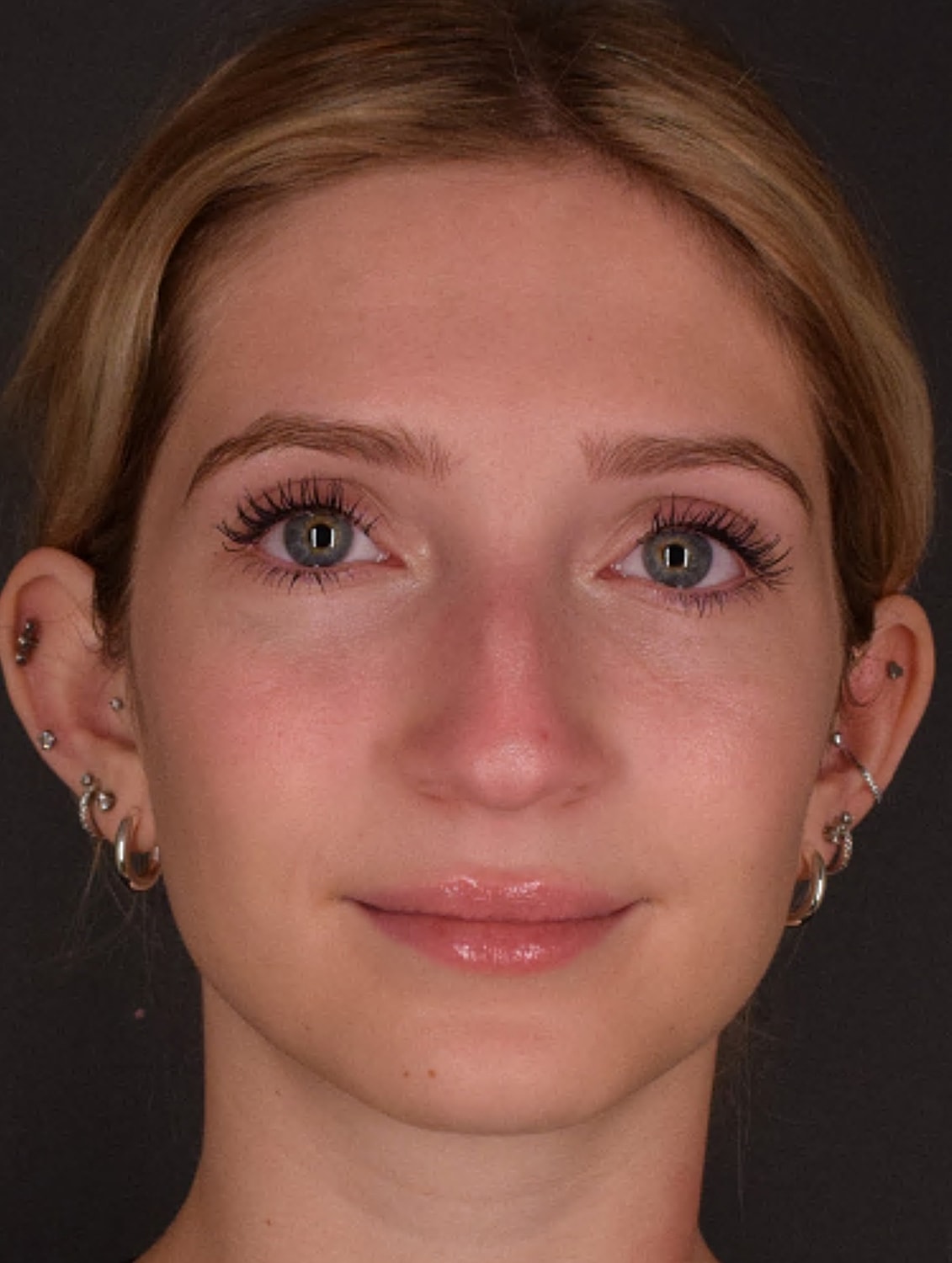
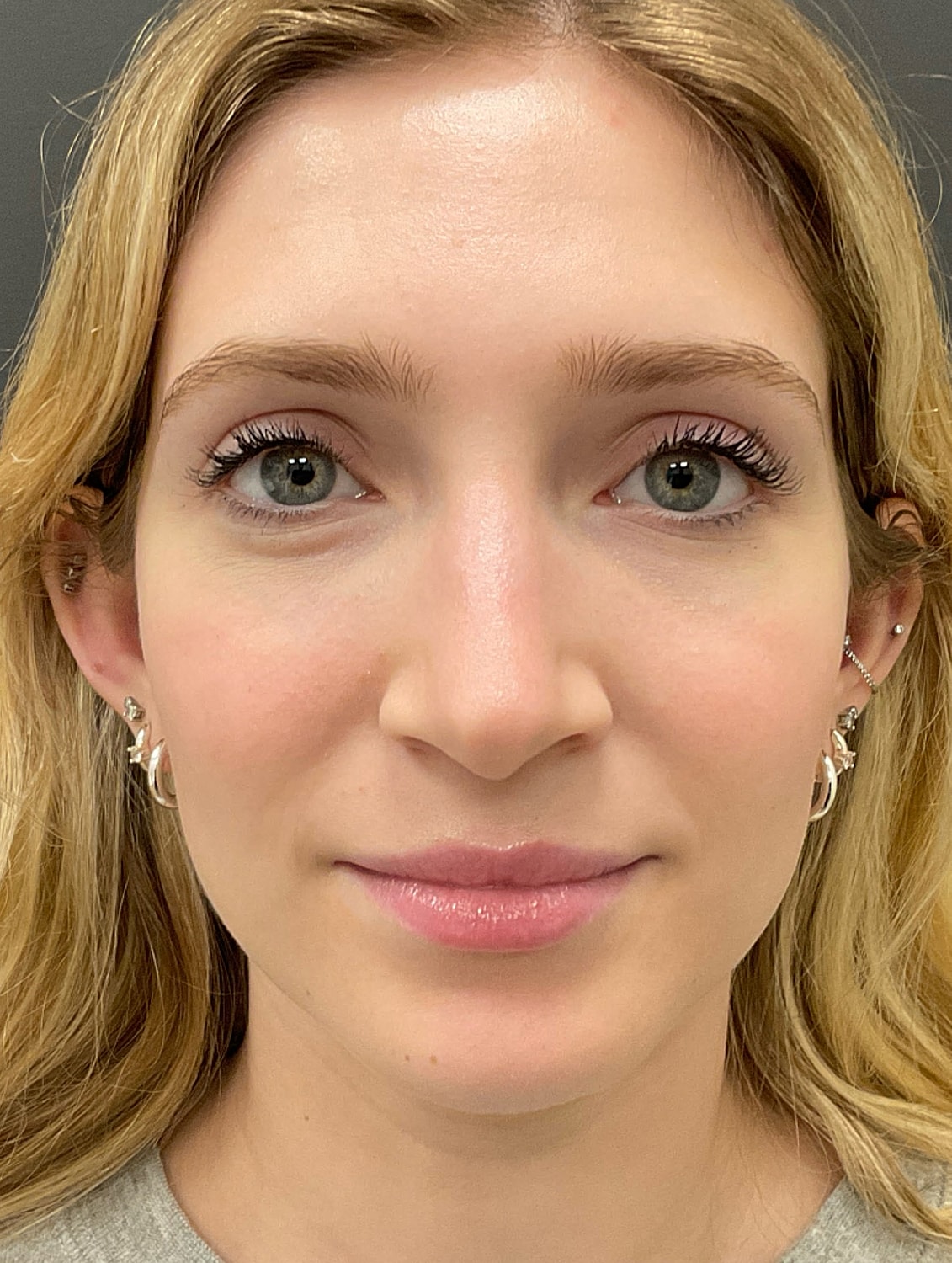
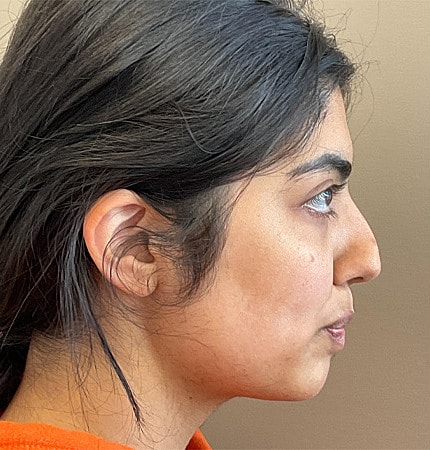
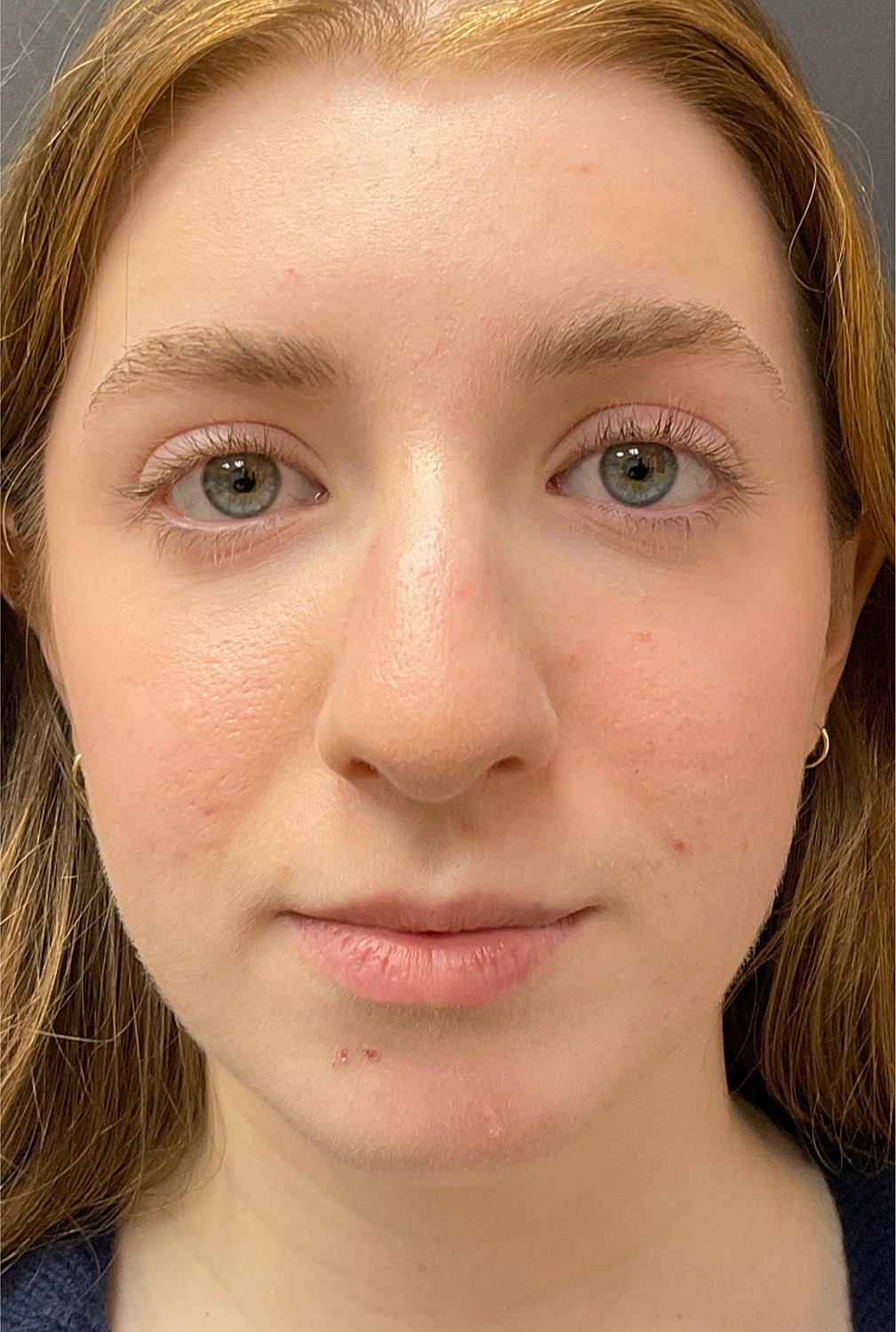
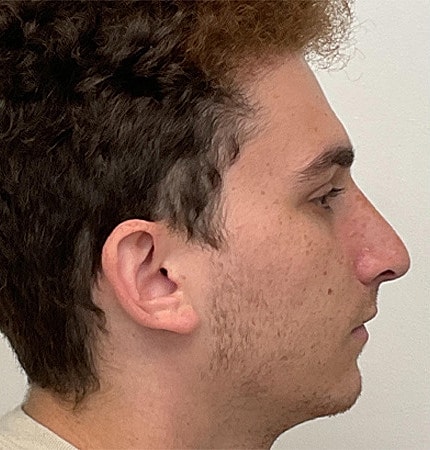
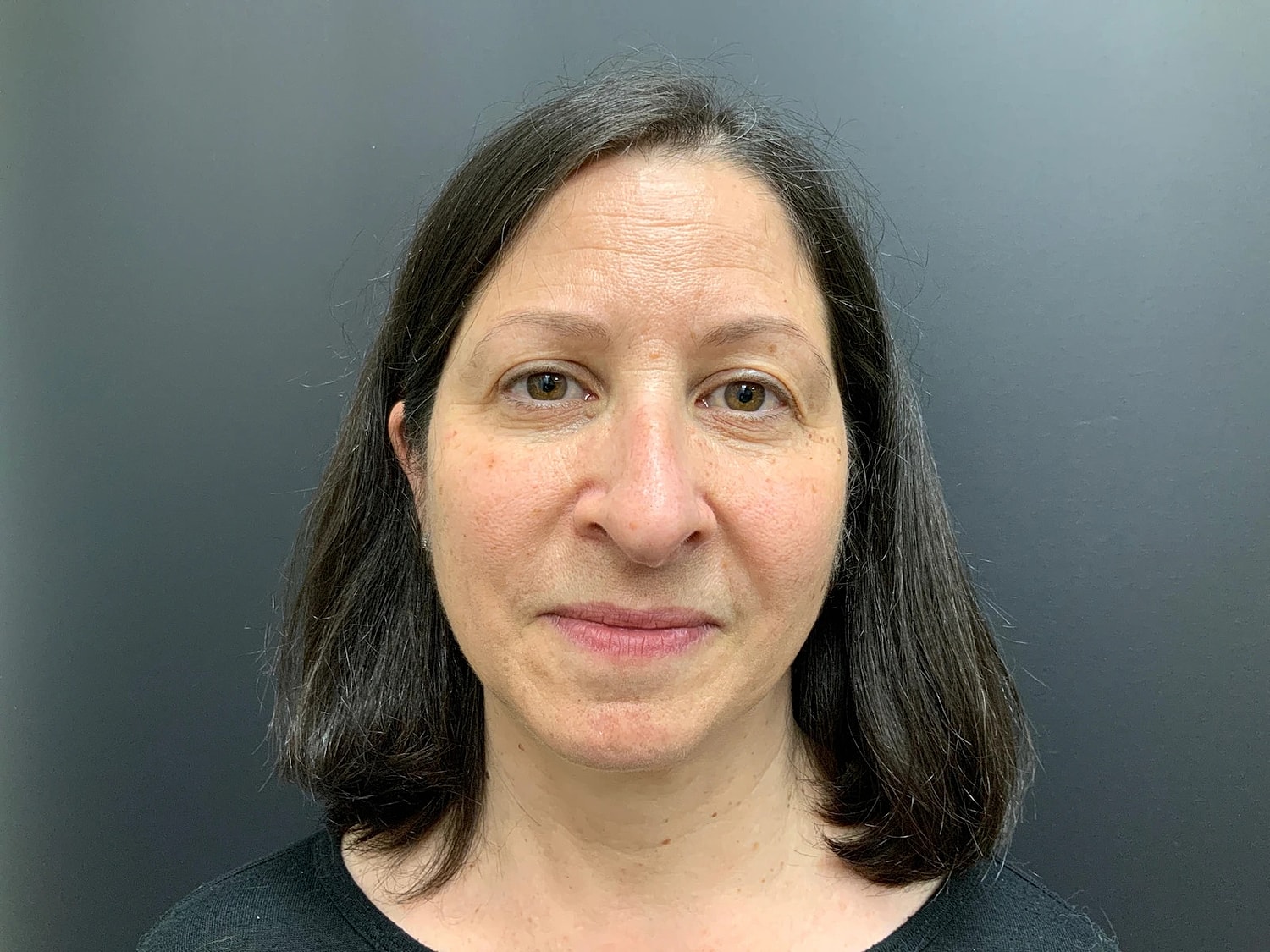
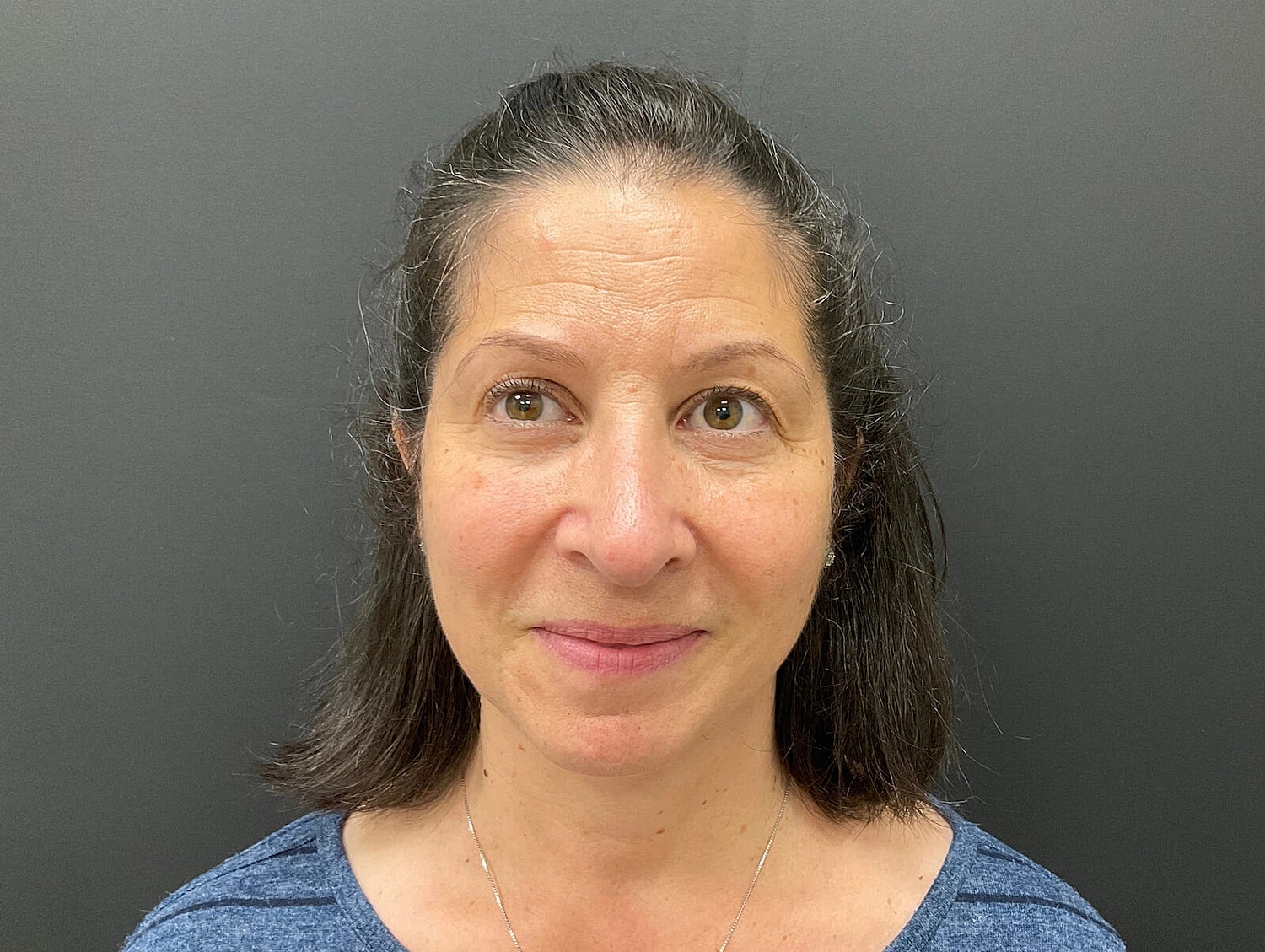
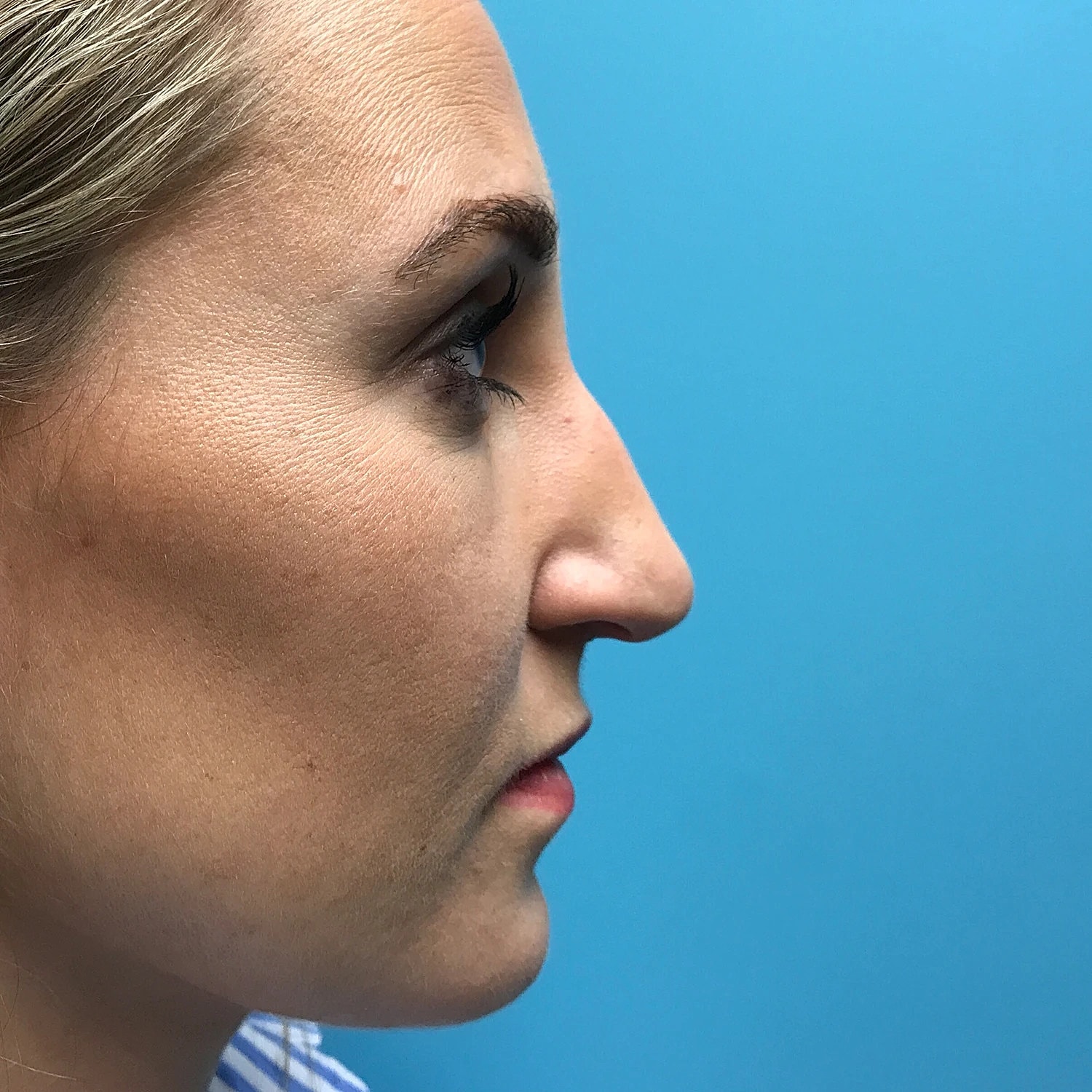
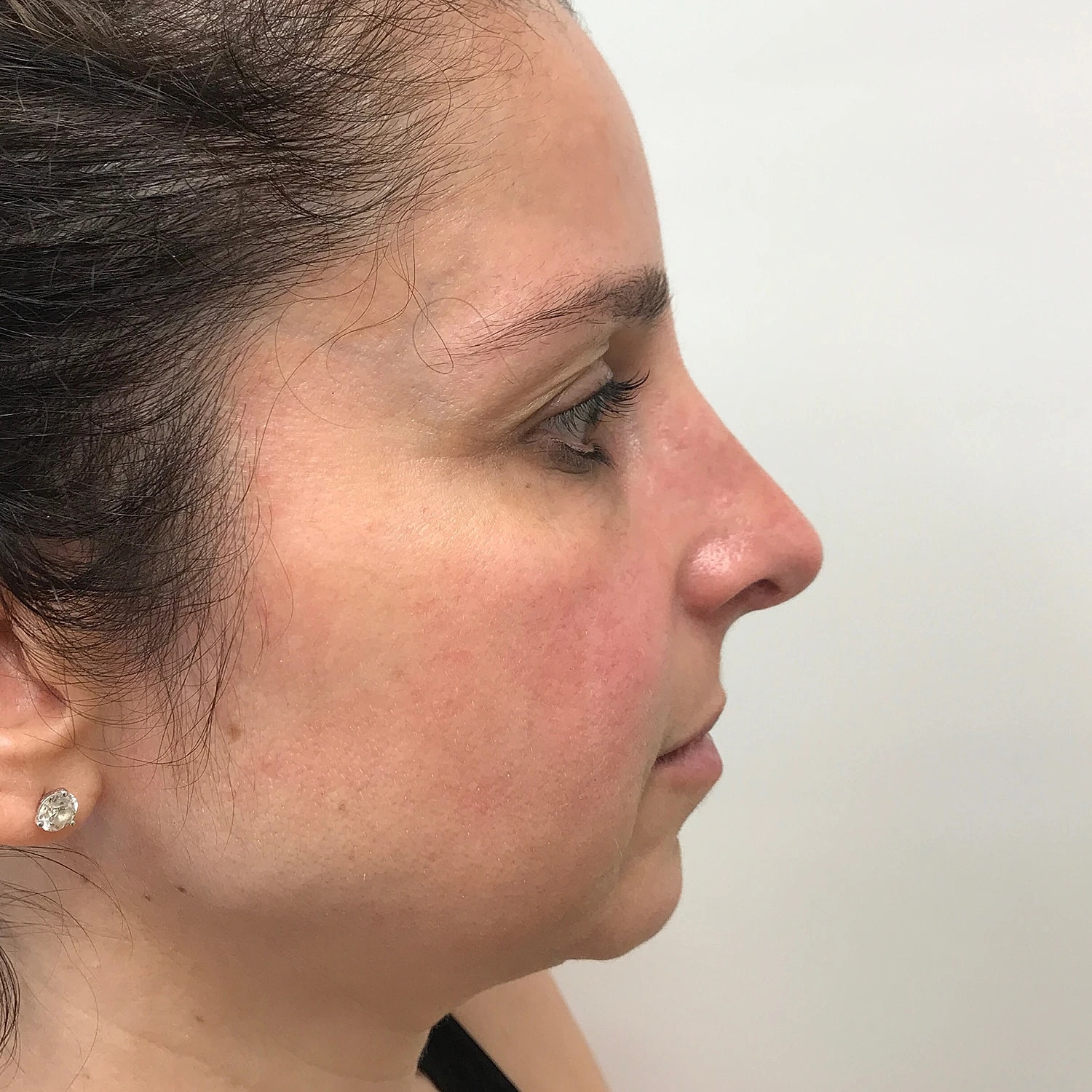
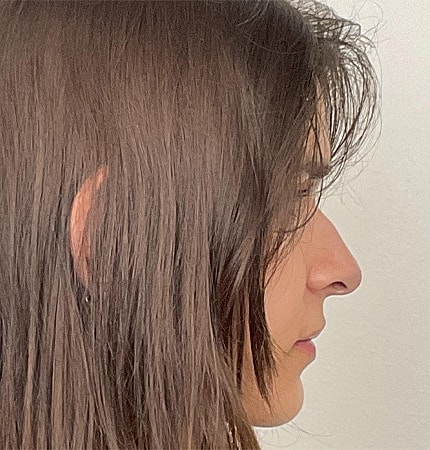
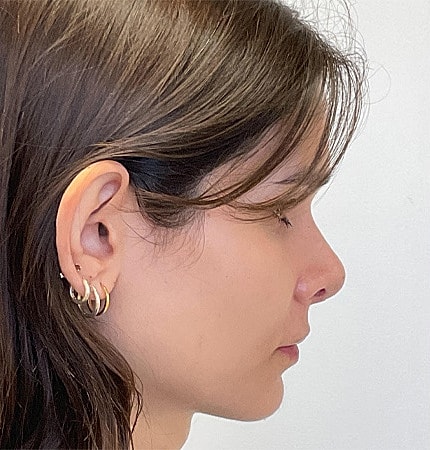
Rhinoplasty, commonly known as a nose job, is a surgical facial procedure designed to improve the appearance of your nose, including the shape, length, tip, and nostrils. It can also treat breathing concerns caused by a deviated septum. The nose is the centre of the face and represents a facial feature that many patients seek to enhance, reshape, or correct. It plays an extremely important role in facial proportion and has great ethnic variability. An excellent rhinoplasty is designed to ensure that proportions are optimized and that your nose still complements your other facial features.
At FORM, we view rhinoplasty surgery as an intersection of art and science in facial plastic surgery. Whether you are seeking to refine your nasal tip, straighten the nose bridge, or correct a deviated septum, our double-board-certified plastic surgeons utilize advanced surgical techniques to deliver a result that looks authentic to you.
1 of 10
Treatment Type: Surgical rhinoplasty (open or closed).
Downtime: 1 week for the external splint; 2 weeks for major swelling.
Results: Improved facial appearance and breathing; permanent results.
Duration: 2 to 4 hours depending on the surgical approach.
Best For: Correcting nose size, bulbous tip, breathing problems, or a birth defect.
Rhinoplasty is a nasal surgery performed to alter the nose’s shape, size, and function. In essence, the nose is the “thumbprint” of the face, defining the harmony and character of all your features. By reshaping the bone and cartilage, your facial plastic surgeon can address concerns like a large nose, a prominent hump, or a drooping tip. At FORM, we offer both cosmetic rhinoplasty to enhance your overall appearance and functional rhinoplasty to clear blocked nasal passages caused by a deviated septum or trauma.

We'll provide a detailed quote during your consultation.
4–6 weeks
1 treatment
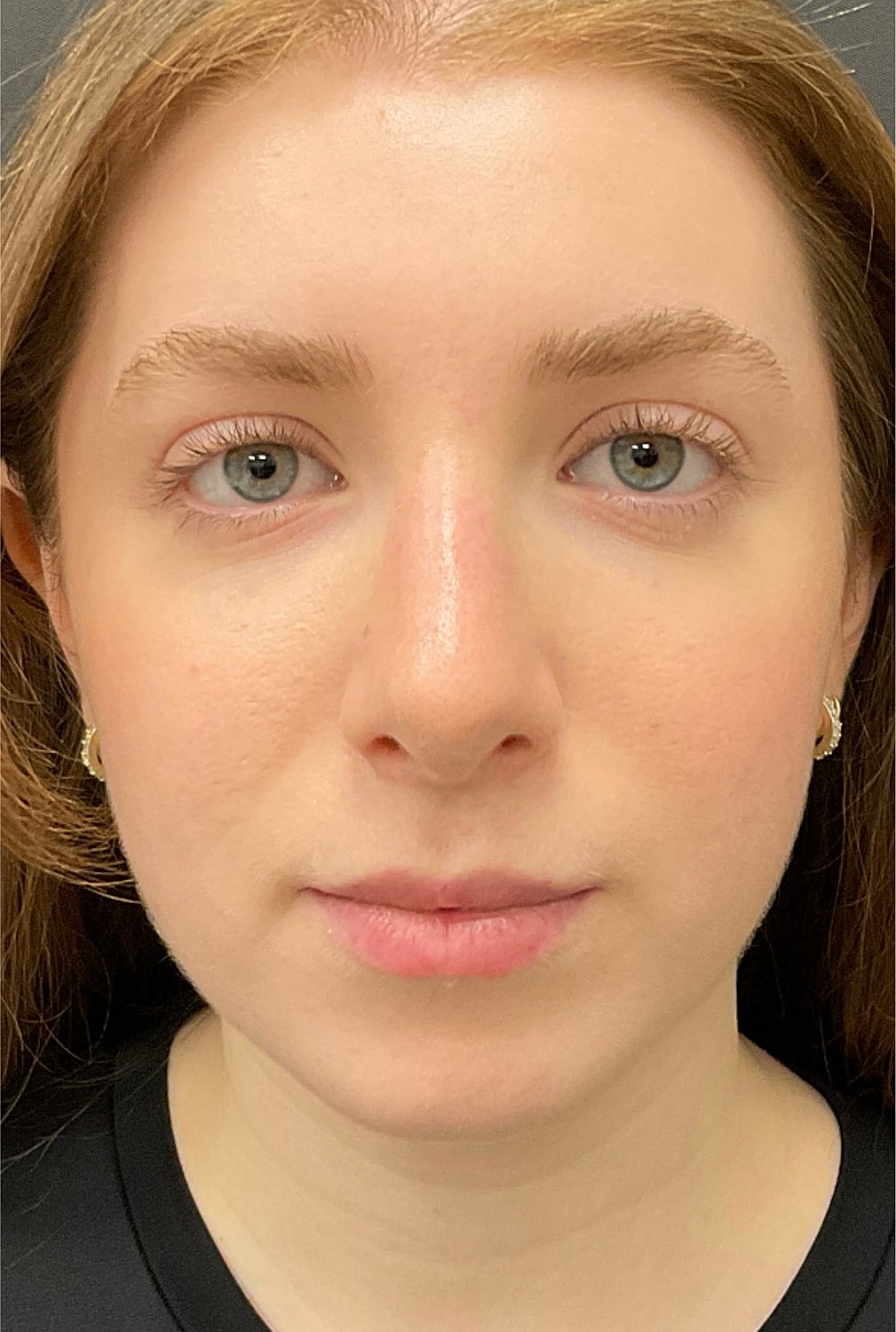
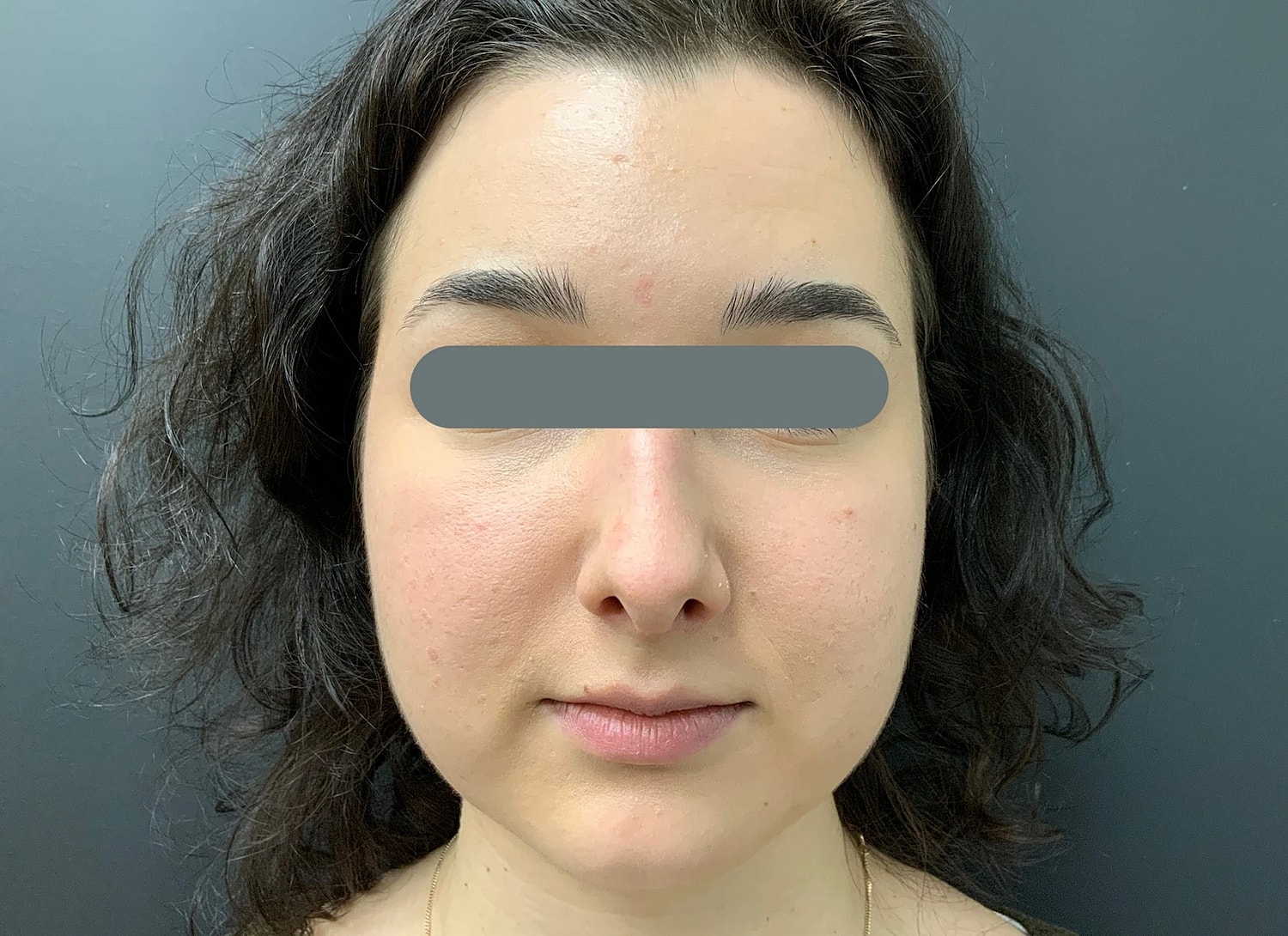
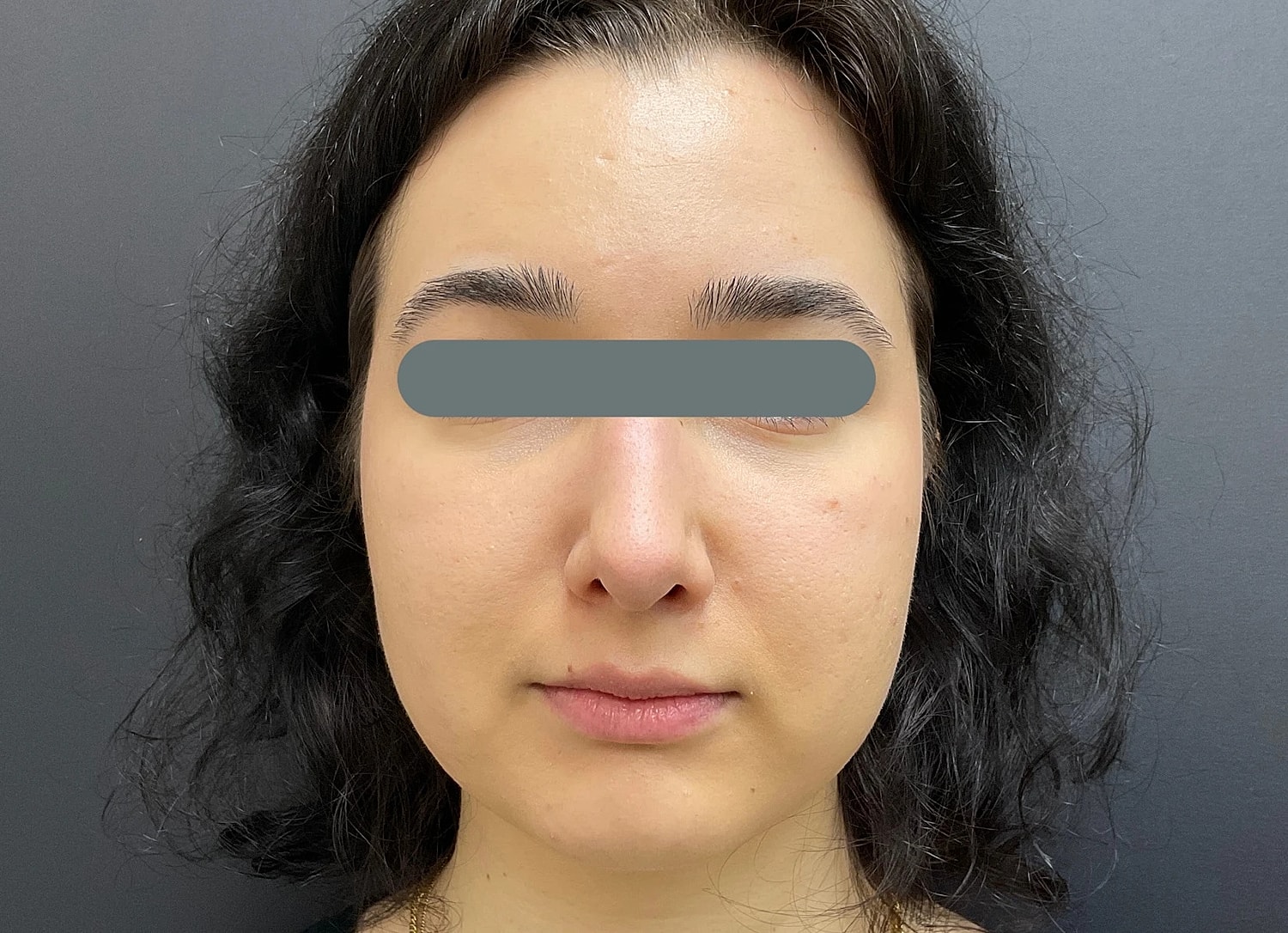
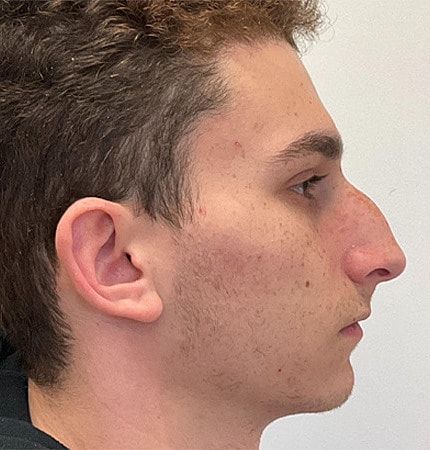
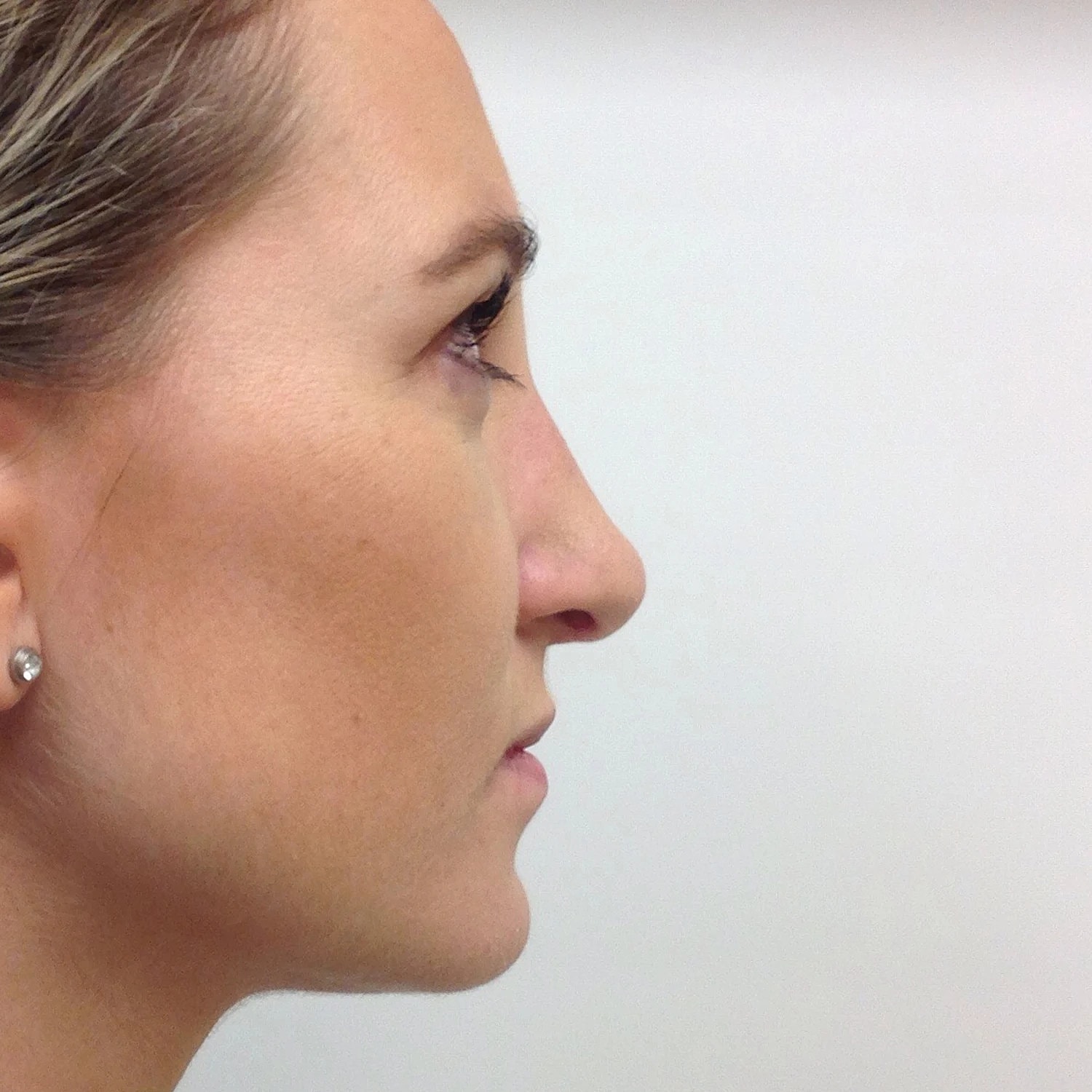
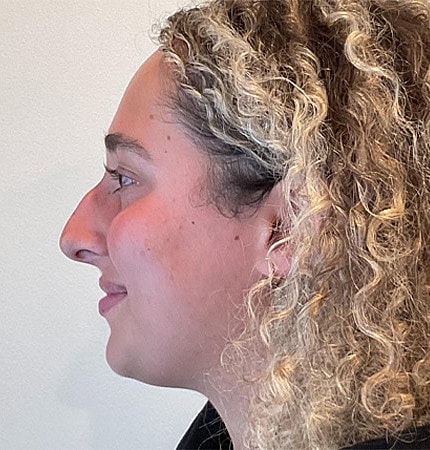
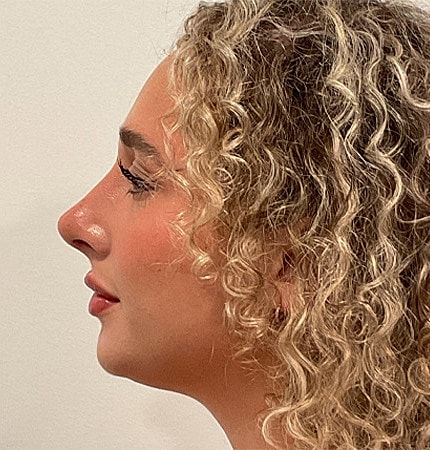
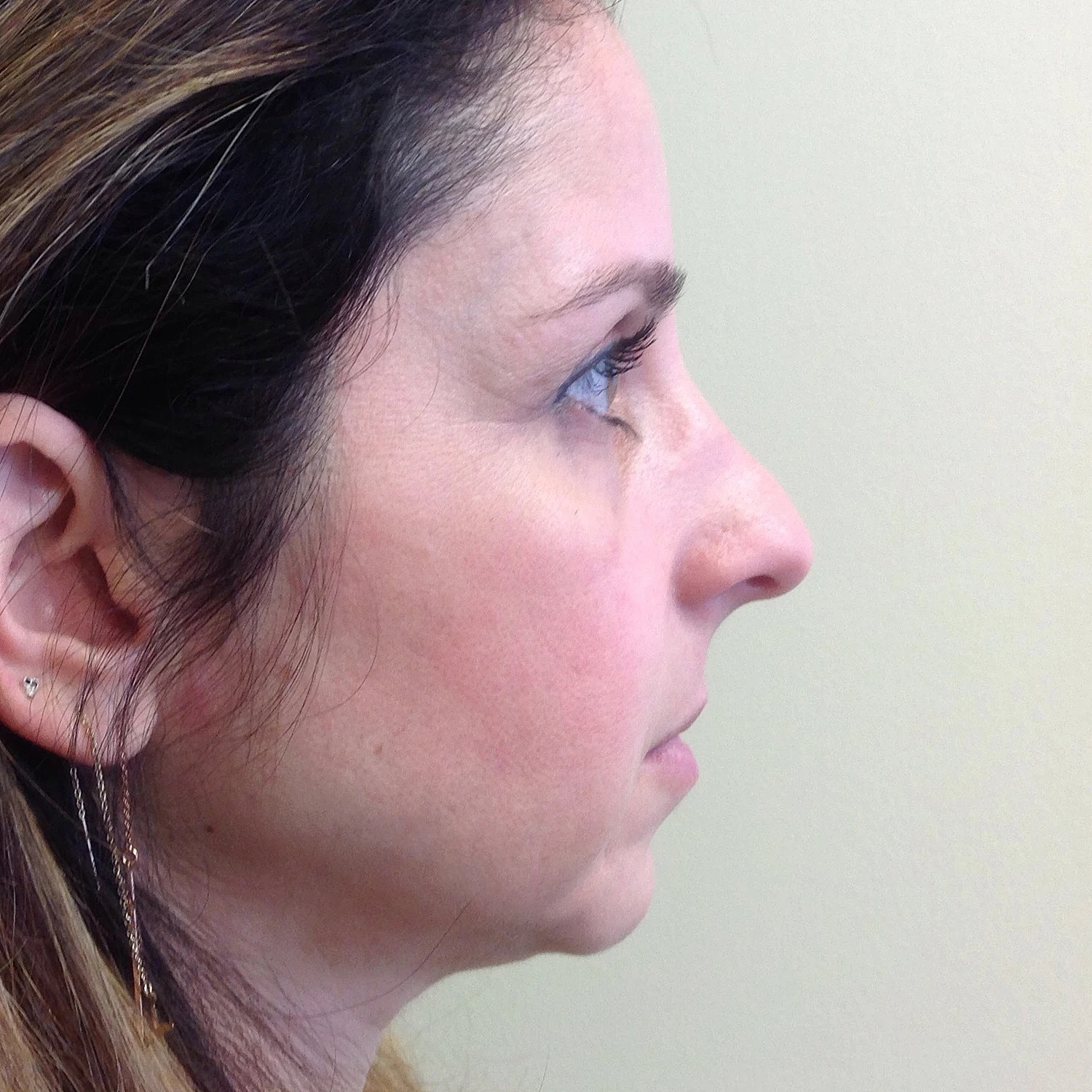
During your initial consultation, your surgeon will review your medical history and use before-and-after photos to establish realistic expectations. Bringing photos of other people with nasal features you like can be a helpful way to start a discussion during your consultation. Your Toronto plastic surgeon will help align your vision with a realistic expected outcome that you can feel excited about. This procedure is most commonly performed under general anesthesia as a day surgery.
On the day of the Rhinoplasty Toronto patients will be placed under general anesthesia or intravenous sedation in our high-end Toronto clinic. There are two primary surgical options:
Open Rhinoplasty
Involves a small incision across the columella, providing the best rhinoplasty surgeon with maximum visibility for complex structural work.
Closed Rhinoplasty
All incisions are made inside the nasal passages, ideal for patients requiring minor refinements to the nose bridge or tip with no external scarring.
The specifics of the rhinoplasty procedure depend on your unique anatomy. We specialize in:

The term ethnic rhinoplasty describes nose surgery planned with close attention to the facial features, nasal anatomy, cultural identity, and aesthetic preferences of patients from diverse backgrounds. It is not one technique or one definition of an attractive nose. The goal is to understand which characteristics feel important to you, which changes you would welcome, and how the nose can remain in balance with the rest of your face.
Nasal skin thickness, cartilage strength, bridge height, tip support, nostril shape, facial width, and airway structure vary considerably between individuals. Those differences influence which techniques are appropriate and how much change can be created safely. Your surgeon will assess your anatomy directly instead of relying on assumptions about your ancestry or applying a standard nasal shape.
Some patients want a subtle refinement that preserves defining family or cultural traits. Others have a specific feature they would like to change more noticeably. Clear communication is central to both plans. Photographs and three-dimensional imaging can help you and your surgeon discuss proportions and possible directions, although an image cannot guarantee an exact surgical result.
Revision rhinoplasty, also called secondary rhinoplasty, is surgery performed after one or more previous nose operations. A patient may seek revision care for a contour that healed differently than expected, persistent asymmetry, scar-related changes, reduced structural support, or breathing symptoms that remain or develop after surgery.
Planning is often more complex because the surgeon is working with altered cartilage, scar tissue, and a structure that has already been reshaped. Some cases require cartilage grafting to rebuild support. The septum may still provide suitable cartilage, while the ear or rib may be considered when additional material is needed. The right approach depends on the existing framework, airway, skin, prior techniques, and proposed degree of correction.
Major revision surgery is usually considered only after swelling from the previous procedure has resolved and the nose has stabilized. This can take approximately one year and may take longer after a previous revision. Bring operative records, preoperative photographs, and a clear account of changes in your breathing when these materials are available. Your surgeon can then explain what is realistically correctable, what limitations remain, and if further surgery is appropriate.
Rhinoplasty is planned in relation to the entire face. The same nasal profile can appear different depending on chin projection, forehead shape, cheek volume, lip position, and the proportions seen from the front, profile, and three-quarter views. This broader assessment helps the surgeon recommend a change that fits your features rather than treating the nose in isolation.
A chin with limited projection can make the nose appear more prominent in profile. In selected cases, chin augmentation may improve balance without asking rhinoplasty to create an overly small nose. Changes in facial volume may be addressed separately with facial fat transfer when that treatment suits the patient’s anatomy and goals.
These procedures are never automatic additions. Combining surgeries changes the operative plan, cost, risks, and recovery. FORM’s 360-degree approach gives you space to consider the whole face while choosing only the care that meaningfully supports your priorities.
The benefits of rhinoplasty are measured in both aesthetics and quality of life. By bringing the nose into proportion with other facial features, the focus shifts back to your eyes and smile. Furthermore, the cosmetic portion of the surgery often goes hand-in-hand with a significant reduction in breathing problems, improving sleep, comfort, and physical performance.
Beyond Dermal Fillers
While dermal fillers can offer a temporary “liquid nose job,” only surgical rhinoplasty can reduce the size of the nose or provide a permanent correction to the underlying bone. It is a lifelong investment in your facial appearance.
Rhinoplasty in Toronto could be right for you if you have had concerns about your nose shape, size, or symmetry. Rhinoplasty is indicated in cases when your nose is overly large, wide, deviated to one side, or droops during speech or smiling. Surgical goals related to these concerns may represent big changes, but rhinoplasty can also be indicated to improve smaller, more specific features of the nose, such as wide nostrils, a dorsal hump, or an undefined tip.

Begin by identifying what draws your attention to your nose and what you hope will feel different after surgery. You may care about the bridge, tip, nostrils, overall size, symmetry, profile, breathing, or a combination of concerns. Try to describe priorities rather than arriving with a fixed surgical technique in mind. Your anatomy will determine which methods can support those goals.
Reference photographs can be useful when they show a quality you like, such as a straighter bridge or a less projected tip. They are conversation tools rather than templates that can be copied onto your face. FORM may also use standardized photography and three-dimensional imaging to help you discuss possible proportions and understand the intended direction of treatment. Tell your surgeon about previous nasal injuries or operations, congestion, mouth breathing, snoring, seasonal symptoms, changes in smell, and any side that feels harder to breathe through. Bring a complete list of medications and supplements, and disclose nicotine, cannabis, alcohol, drug allergies, medical conditions, and past reactions to anesthesia. This information helps the team assess candidacy and plan your care safely.
Your consultation is also the time to ask who will perform the surgery, which approach is recommended, how the airway will be protected, where incisions will be placed, and what limitations apply to the result. You can review the backgrounds of Dr. Ron Somogyi, Dr. Cory S. Goldberg, and Dr. Michael Brandt before your visit.
Rhinoplasty pricing in Toronto varies because the operation is built around the patient’s anatomy and goals. A primary cosmetic procedure, functional septorhinoplasty, and revision surgery can involve very different levels of surgical planning and operating time. The open or closed approach, grafting needs, airway work, anesthesia, facility fees, and coordination with another facial procedure may also affect the total.
After examining your nose and discussing the proposed plan, FORM will provide a detailed quote. Ask which services are included, such as anesthesia, surgical-facility fees, routine follow-up appointments, and post-operative care. This makes it easier to compare complete plans rather than a single advertised number.
Cosmetic rhinoplasty is generally paid for privately. Patients who prefer to divide the expense over time can review FORM’s plastic surgery financing options. Financing is subject to the terms and approval process of the financing provider.

OHIP does not generally cover rhinoplasty performed solely to change appearance. Functional nasal surgery may be insured when it meets Ontario’s medical-necessity requirements. Under the Ontario Schedule of Benefits, septorhinoplasty may qualify when the rhinoplasty component is necessary to obtain an adequate airway or when specific trauma-related criteria are met. Prior authorization from the Ministry of Health is required.
A patient can have cosmetic and functional goals at the same time. If septoplasty is medically necessary to improve airflow while additional rhinoplasty changes are elective, OHIP may cover only the medically necessary portion. Cosmetic fees remain the patient’s responsibility. Coverage depends on the diagnosis, proposed procedure, documentation, and Ministry decision, so approval cannot be promised from symptoms alone.
Describe all breathing concerns during your consultation, even when appearance is your main reason for seeking care. The assessment may include an examination of the septum, nasal valves, turbinates, prior injuries, and the relationship between external structure and airflow. FORM can explain the proposed plan and the authorization process that may apply. For a broader overview, read FORM’s guide to OHIP coverage for cosmetic and medically necessary procedures.
An external splint is commonly worn during the early healing period and is usually removed at a follow-up appointment after about one week. Congestion, pressure, swelling, and bruising around the nose or eyes are expected. Keep your head elevated, protect the nose from pressure, and follow FORM’s instructions for incision care, medication, bathing, and sleeping.
Major bruising and swelling usually improve enough for many patients to return to work, school, and ordinary social activities within one to two weeks. The nose will still look swollen, and the tip may feel firm or numb. Your appearance can change from day to day as fluid shifts, so early asymmetry does not necessarily reflect the final result.
Walking and light daily activity are generally encouraged, but exercise, bending, heavy lifting, and activities that raise blood pressure remain restricted until your surgeon clears them. Glasses may also need to be supported away from healing nasal bones. Follow the individualized schedule provided by the surgical team.
Many patients can gradually resume more demanding exercise during this period after receiving clearance. Contact sports and any activity that could strike or compress the nose require a longer pause. Although much of the visible swelling has settled, the nasal tissues and bones are still healing and need protection.
Refinement continues well beyond the point when you feel socially recovered. Residual swelling gradually resolves, often lingering longest in the nasal tip. Morning swelling and small fluctuations can occur for months. Skin thickness, the amount of structural work, an open approach, and revision surgery can all influence how quickly definition emerges.
The final result commonly takes six to twelve months to become clear and may take longer after revision surgery. Attend scheduled follow-ups even when recovery feels straightforward. These visits allow your surgeon to monitor healing, answer questions, and distinguish expected swelling from a concern that needs attention.
You will see the new contours of your nose once the splint is removed at one week. While the overall appearance is visible at one month, the final results of the nasal tip can take up to a year as the skin shrinks to fit the new framework. The results of cosmetic nose surgery are permanent. Your new profile is designed to age naturally with your facial structure.
Rhinoplasty is widely considered the most difficult cosmetic surgery to master. We excel because our surgeons are not just plastic surgeons; they are artists of facial features.
By choosing FORM, you are opting for advanced surgical techniques, a state-of-the-art Toronto rhinoplasty clinic, and recovery support backed by scientific evidence. We provide a level of care that other surgeons simply cannot replicate. Interested in learning more about nose reshaping (rhinoplasty) in Toronto? Contact our office for a consultation today.
The most important part of a rhinoplasty is the consultation. Your surgeon will work diligently to translate your vision into a realistic surgical plan. Consultations will be as long as needed to properly plan your procedure and will sometimes take place over more than one visit. Your surgeon will use standard photography and 3D imaging to demonstrate realistic surgical outcomes.
Rhinoplasty carries risks associated with surgery and anesthesia, including bleeding, infection, delayed healing, scarring, numbness or altered sensation, prolonged swelling, asymmetry, contour irregularities, difficulty breathing, septal perforation, and dissatisfaction with the appearance of the nose. Additional surgery may be needed in some cases. Your surgeon will explain how your anatomy, health, airway, proposed technique, and healing response affect these risks before you decide to proceed.
The results of nose reshaping surgery in Toronto are permanent, although it is possible for the soft tissue and cartilage of the nose to change over time.
No. For your safety and comfort, most rhinoplasty procedures are performed under general anesthesia or deep intravenous sedation.
While there is internal swelling and sometimes packing, most patients begin to feel improved breathing after the first week.
The cost depends on the complexity of the plan, including primary or revision surgery, cosmetic and functional work, grafting needs, anesthesia, facility fees, and any coordinated procedure. FORM will provide a personalized quote after your surgeon has examined your nose and discussed the intended changes. Financing options may be available for privately paid care.
OHIP does not generally cover a nose job performed only for appearance. Functional septoplasty or septorhinoplasty may qualify when it meets Ontario’s medical criteria, and septorhinoplasty requires prior Ministry of Health authorization. If a procedure combines medically necessary airway work with elective cosmetic changes, coverage may apply only to the functional portion.
There is no single ideal age for rhinoplasty. For younger patients, the nose and facial skeleton should be sufficiently developed, and the patient must be able to understand the surgery, recovery, limitations, and long-term nature of the decision. Adults can consider rhinoplasty at many ages if they are healthy enough for surgery and have realistic, personally motivated goals.
Open rhinoplasty uses an incision across the columella, the strip of tissue between the nostrils, along with internal incisions. This provides broad access to the nasal framework and may be useful for complex structural changes. Closed rhinoplasty places all incisions inside the nostrils and may suit selected refinements. The best approach depends on the work required, and closed surgery is not automatically the simpler or better option.
The most noticeable swelling improves during the first several weeks, but a smaller amount can persist for many months. The nasal tip often takes the longest to refine, and temporary morning swelling or day-to-day variation can occur during the first year. Final definition commonly develops over six to twelve months and may take longer after revision surgery.
Revision rhinoplasty is an operation performed after previous nose surgery to address a remaining or new concern involving appearance, structure, or breathing. It can be more complex because scar tissue and altered cartilage affect the plan. Major revision surgery is generally delayed until the nose has stabilized, which may take approximately one year or longer.