Laser Hair Removal
in Toronto

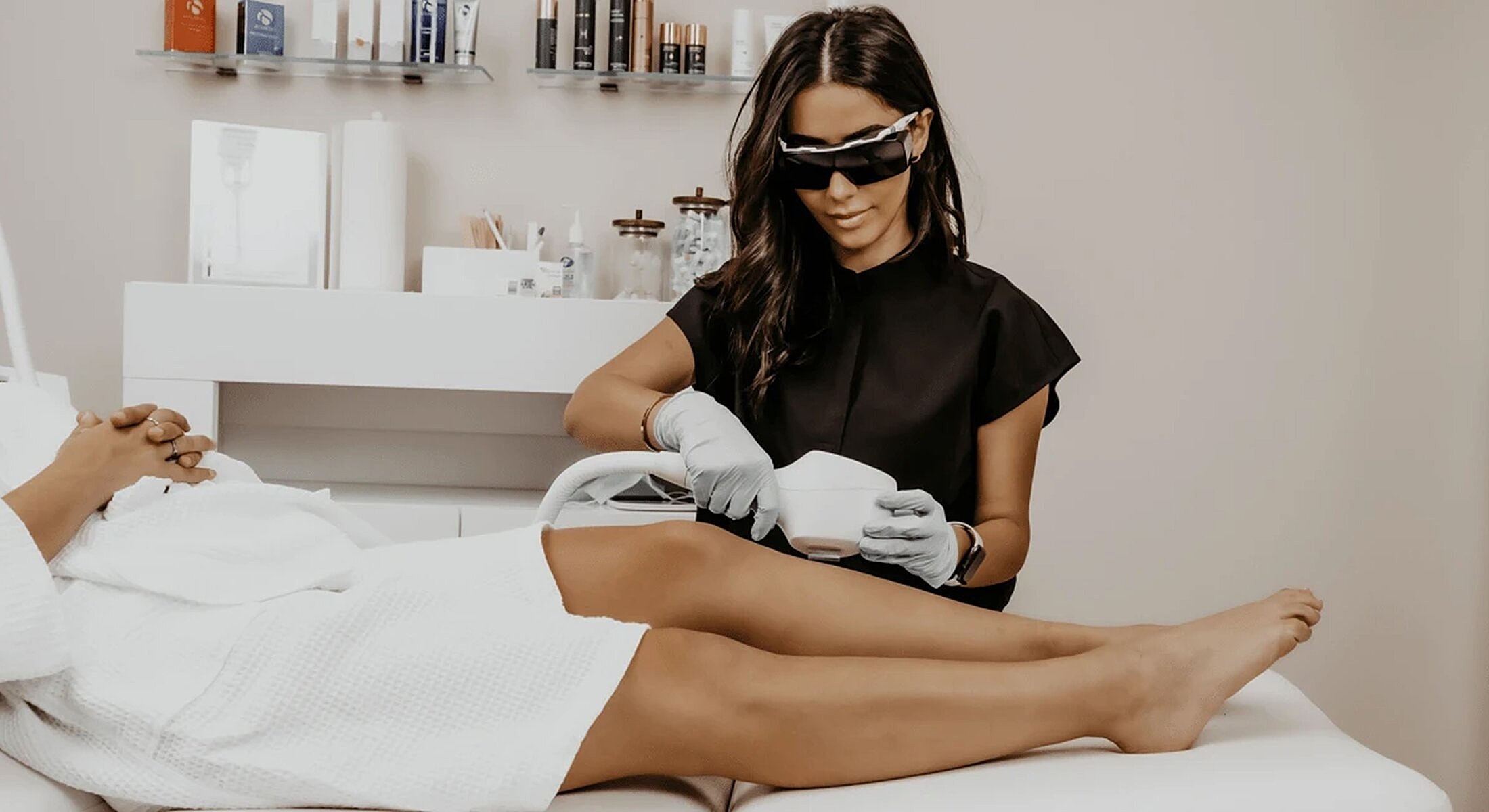
Laser hair removal in Toronto is a long-lasting solution to remove stubborn hair on the face or body. This non-surgical treatment targets hair growth at the source.
A series of laser hair removal treatments at our Toronto med spa provides smooth, hair-free skin without the constant upkeep of waxing, plucking, or shaving.
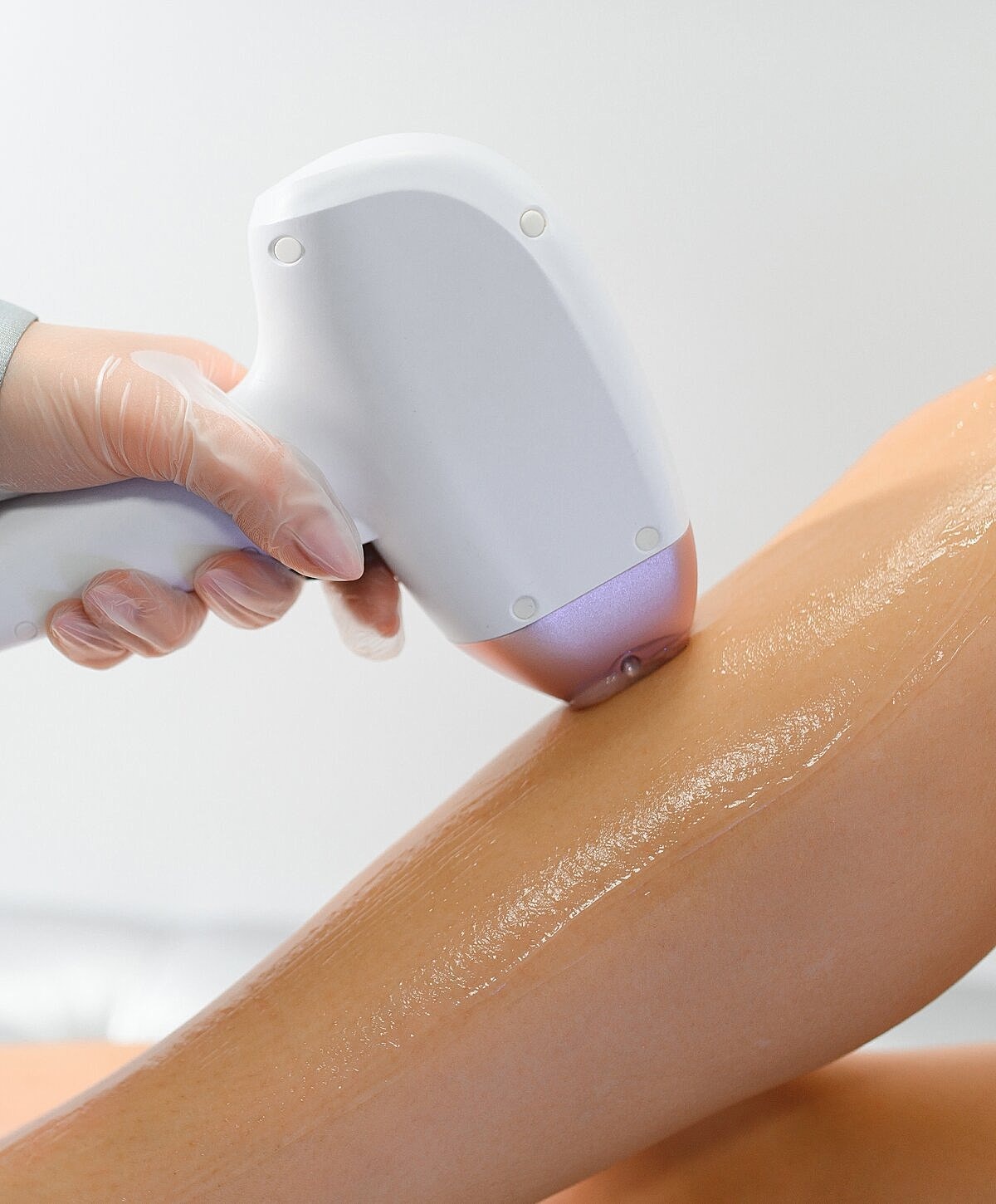
The treatment commonly described as laser hair removal is performed at FORM with the Venus Versa™ hair-removal applicator. This technology uses advanced intense pulsed light, or IPL, to deliver controlled pulses of light into the skin. Pigment in the hair absorbs the light, generating heat that damages the follicle and reduces its ability to produce new hair.
The surrounding skin is protected through careful device selection, customized settings, and built-in contact cooling. Since the treatment depends on pigment, it responds most predictably when the hair is darker than the surrounding skin. Your provider will assess your skin tone, hair colour, hair thickness, treatment area, and recent sun exposure before recommending care.

For our patients in Toronto laser hair removal can simplify grooming across many areas of the face and body. Common treatment areas include the upper lip, chin, neck, underarms, arms, chest, back, abdomen, bikini line, legs, and feet. Small areas may take only a few minutes, while larger areas require a longer appointment.
Your plan can focus on one specific area or coordinate several areas during the same visit. The provider will also consider how densely the hair grows and how sensitive the surrounding skin may be. Treatment is not performed directly over tattoos, and extra care is needed around pigmented lesions or irritated skin.
Shaving, waxing, and plucking can become a constant cycle. With laser hair removal Toronto patients can enjoy a longer-term reduction in unwanted hair, which may mean less time spent on daily or weekly maintenance. As the treatment series progresses, returning hair often appears finer, lighter, and less dense.
Reducing hair growth may also help patients who regularly experience razor burn, shaving irritation, or ingrown hairs. The treatment does not require incisions or downtime, and appointments can be planned around work, exercise, and social commitments. Results build gradually, giving you a natural transition rather than an abrupt change.

Venus Versa™ works by targeting pigment, so coarse brown or black hair generally responds best. Blonde, red, grey, and white hair contains less of the pigment the device needs to identify and may respond poorly or not at all. Fine facial hair can also be less predictable than coarse body hair.
Skin tone matters because melanin is present in both the hair and the skin. The Venus Versa™ hair-removal applicators used for this purpose are licensed in Canada for specific Fitzpatrick skin types, and your provider must determine if the technology is appropriate for your complexion. A tan, recent sun exposure, certain medications, or a history of unusual scarring may affect treatment timing or candidacy.
Hormonal conditions can influence where hair grows and how quickly it returns. Laser hair removal can reduce visible hair without treating an underlying hormonal cause. If sudden or changing facial or body hair may be connected to a health concern, your provider may recommend assessment through FORM’s Women’s Health Program or another appropriate clinician.
Avoid waxing, plucking, threading, or electrolysis in the treatment area for the period specified by your provider. These methods remove the hair from the follicle, leaving the light without a target. Shaving is generally allowed and may be requested shortly before your appointment because it leaves the follicle beneath the skin intact.
Protect the treatment area from tanning and sunless tanner before your visit. Tell your provider about prescription and nonprescription medications, supplements, recent skin treatments, active irritation, cold sores, and any tendency to form raised scars. Do not change a prescribed medication on your own. FORM will tell you if medical clearance or a change in treatment timing is needed.
Arrive with clean skin and follow any area-specific directions provided by the clinic. Products such as lotion, deodorant, makeup, or self-tanner may need to be removed before treatment. If you have questions, contact the FORM team rather than guessing, since preparation can vary by area and skin condition.
Temporary redness, warmth, tenderness, and mild swelling around the follicles are common after treatment. These effects usually settle within a few hours to several days. Your skin may feel similar to a mild sunburn, particularly in a sensitive or densely haired area.
Less common complications include blistering, burns, crusting, infection, scarring, temporary or lasting lightening or darkening of the skin, and reactivation of cold sores in susceptible patients. Careful screening, appropriate settings, sun avoidance, and following aftercare instructions help reduce these risks. Contact FORM if you develop worsening pain, blistering, spreading redness, drainage, or another reaction that concerns you.
Recommended series of 6 treatments per area, spaced 4-8 weeks apart
Pricing is customized to your unique goals and needs.
No recovery time
Hair grows in repeating phases, and light-based hair removal is most effective during the active growth phase, when the hair remains connected to the follicle. Only a portion of the hair in a treatment area is active at any one time. A series of appointments is needed to reach additional follicles as they enter that responsive stage.
The current FORM protocol recommends six treatments per area, generally spaced four to eight weeks apart. The interval depends on the area being treated because facial and body hair follow different growth patterns. Your response may also be affected by hair density, hormones, age, medications, and consistency with the treatment schedule.
Treated hairs do not all disappear during the appointment. They release gradually afterward, and the area may appear patchy as different follicles respond. With each session, many patients notice slower regrowth and a progressive reduction in hair density.
The final outcome should be evaluated after the treatment series and enough time has passed for the hair-growth cycle to continue. Results vary by person and body area. Laser hair removal is best understood as long-term hair reduction, since some follicles may recover and new hair may develop over time.
Some patients enjoy their reduction for months or years before scheduling another treatment. Others benefit from periodic maintenance, especially in hormonally responsive areas such as the face. Pregnancy, menopause, hormonal conditions, certain medications, and normal biological change can all influence future growth.
Maintenance is based on visible regrowth rather than a universal schedule. Your provider can assess the area after your initial series and recommend another session only when it is useful. Continuing to shave between visits will not make the hair grow back thicker or reverse the progress you have made.

Shaving cuts hair at the skin’s surface, so regrowth appears quickly. Waxing and plucking remove the hair from the root, producing a smoother result for longer but allowing the follicle to grow another hair. Both approaches require ongoing maintenance and may contribute to irritation or ingrown hairs.
Laser and IPL hair removal use light to target pigment within many follicles during one appointment. This makes them practical for larger areas and progressive reduction. Electrolysis treats individual follicles and can work on light-coloured hair that does not respond to light-based treatment, though treating a large area may take considerably longer.
The right choice depends on your hair colour, skin tone, treatment area, budget, tolerance for maintenance, and desired endpoint. Your provider can explain which method is most likely to produce a worthwhile result for you.
Successful hair removal depends on thoughtful screening, careful settings, consistent technique, and honest guidance about what your skin and hair can realistically achieve. FORM’s providers personalize treatment around your complexion, hair pattern, sensitivity, and goals.
Your appointments take place within FORM’s Toronto facility, where laser hair removal can be coordinated with a broader plan for skin health and nonsurgical aesthetic care. If redness, pigmentation, texture, or another skin concern is also important to you, your provider can explain when separate treatments such as IPL photofacial care or a personalized medical-grade skincare regimen may be appropriate.

Shaving is generally recommended shortly before treatment because it removes hair above the skin while leaving the follicle available as a target. Follow FORM’s timing instructions for your specific treatment area. Do not wax, pluck, or thread the area unless your provider has told you the treatment series is complete.
A recent tan increases pigment in the skin and can raise the risk of a burn or unwanted colour change. Your provider may postpone treatment until the tan has faded. Daily broad-spectrum SPF 30 or higher and avoiding intentional tanning help keep treatment on schedule.
Light-based hair removal relies on pigment within the hair. Blonde, red, grey, and white hairs often contain too little melanin to respond reliably. Your provider can assess the area and discuss alternatives such as electrolysis when appropriate.
Reducing the amount and thickness of regrowing hair may decrease the frequency of ingrown hairs and shaving-related irritation. Laser hair removal does not treat every cause of bumps or inflammation, so active folliculitis, infection, or persistent lesions should be evaluated before treatment.
Yes, common facial areas include the upper lip, chin, jawline, and neck. Facial hair is often influenced by hormones, so regrowth and maintenance needs can differ from areas such as the underarms or legs. Fine facial hair also requires careful assessment because it may respond less predictably.
Tell your provider if you are pregnant, breastfeeding, trying to conceive, or receiving fertility treatment. FORM can advise you about timing and may recommend postponing elective light-based treatment. Hair growth often changes during and after pregnancy, which can also affect the value and timing of a treatment series.
No. The pigment in a tattoo can absorb the treatment energy and increase the risk of burns, blistering, or changes to the tattoo. The provider will leave an appropriate margin around tattooed skin and can explain which surrounding areas may still be treated.
Appointment length depends on the size and number of areas treated. An upper lip or chin may take only a few minutes, while the legs, back, or several combined areas require more time. Your coordinator can provide a more accurate estimate when your treatment plan is created.
Powered by advanced Venus Versa™ technology, our laser hair removal treatments in Toronto selectively target the dark pigment within the hair follicle, making the procedure effective for men and women with unwanted coarse, dark hair on the face or body. Each treatment is personalized to your goals to target areas like the underarms, legs, bikini region, upper lip, or back.
At our practice in Toronto laser hair removal is extremely safe when administered by qualified practitioners for suitable candidates.
Certain pre-existing medical conditions may prevent you from receiving treatment; this will be discussed with you during your initial consultation.

Long-lasting results — after completing your series of treatments at our Toronto office, the results of laser hair removal are long-lasting and result in up to 80-90% permanent reduction of hair growth. By addressing hair growth at the root, laser treatments prevent new hairs from growing. Any hair that does grow back is typically much finer and lighter.
Laser hair removal appointments are performed as a series of treatments spread out over several weeks. This allows the laser to target each hair follicle in its active growth phase.
The treatment feels like a light snap with an elastic band against your skin as the applicator moves around the treatment area. The applicator has a built-in cooling feature to make the treatment as comfortable as possible, but you might feel slight discomfort if you’re treating a more sensitive area like the bikini line.
No downtime or recovery is needed for laser hair removal. You can return to your day-to-day activities immediately following treatment. Avoid tanning, hot baths, massages, or any treatment that requires direct contact with the skin for the first two days after your treatment. We recommend applying sunscreen with SPF 30 or higher. You may shave between appointments, but it's essential to avoid waxing or plucking, as the hair follicles must be present for the laser to target them.