Published
3 minute read
I recently sat down and reviewed my last twenty gynecomastia cases, one by one. The photographs, the operative notes, the follow-up visits. I do this regularly with every procedure we offer, because tracking our own outcomes is how we make sure we are doing what we think we are doing.
I expected to confirm that the technique was sound. What I didn't expect was how strongly it would remind me why this operation matters.
Most of the men I see for gynecomastia have lived with it for years. Many since their teens. They've changed how they dress, how they stand, whether they take their shirt off at the beach or the gym. Some have trained harder and dieted more strictly than almost anyone I know, and still couldn't change it, because true gynecomastia is glandular tissue, not fat. No amount of effort in the gym will remove it.
And almost none of them have talked about it openly. It is one of the most common concerns I treat in men and one of the least discussed.
For most patients, the procedure combines two things: liposuction to contour the chest, and removal of the firm glandular tissue behind the nipple through a small incision at the edge of the areola. It is a day procedure, performed in our accredited surgical facility. Most men are back at a desk within a couple of days and back to full training in about 3-4 weeks.
It isn't right for everyone. Where excess skin is significant, the plan changes. Where the enlargement is mostly fat, weight and body composition work may be the better first step. That is an assessment conversation, and we will be straightforward about which camp you're in.
This is where FORM does something a surgical practice alone can't. Gynecomastia sometimes has a cause worth finding: a hormonal imbalance, a medication, prior anabolic steroid use, or changes in body composition. Before we operate, our men's health team can look at the whole picture, including hormones, metabolic health and medications. That way we are not just removing tissue, but understanding why it developed and reducing the chance that it returns.
Going through those twenty cases, what stood out wasn't the photographs. It was the follow-up visits. The change in how these men carried themselves. How they dressed, how they talked about the gym, the beach, their relationships. In many cases, a concern they had quietly organized their lives around for a decade simply stopped being part of their day.
That is what I mean when I say we don't think of what we do as procedures. This is a relatively straightforward operation that, for the right patient, changes far more than the shape of a chest.
Several of these patients have generously consented to share their results, and you can see them in our online gallery. Results vary from person to person but these are a really good representation.
If you have been living with this for longer than you'd like to admit, you are far from alone. Come in for an assessment. We'll examine you, talk through what is driving it, and tell you honestly whether surgery is the right answer.
written by
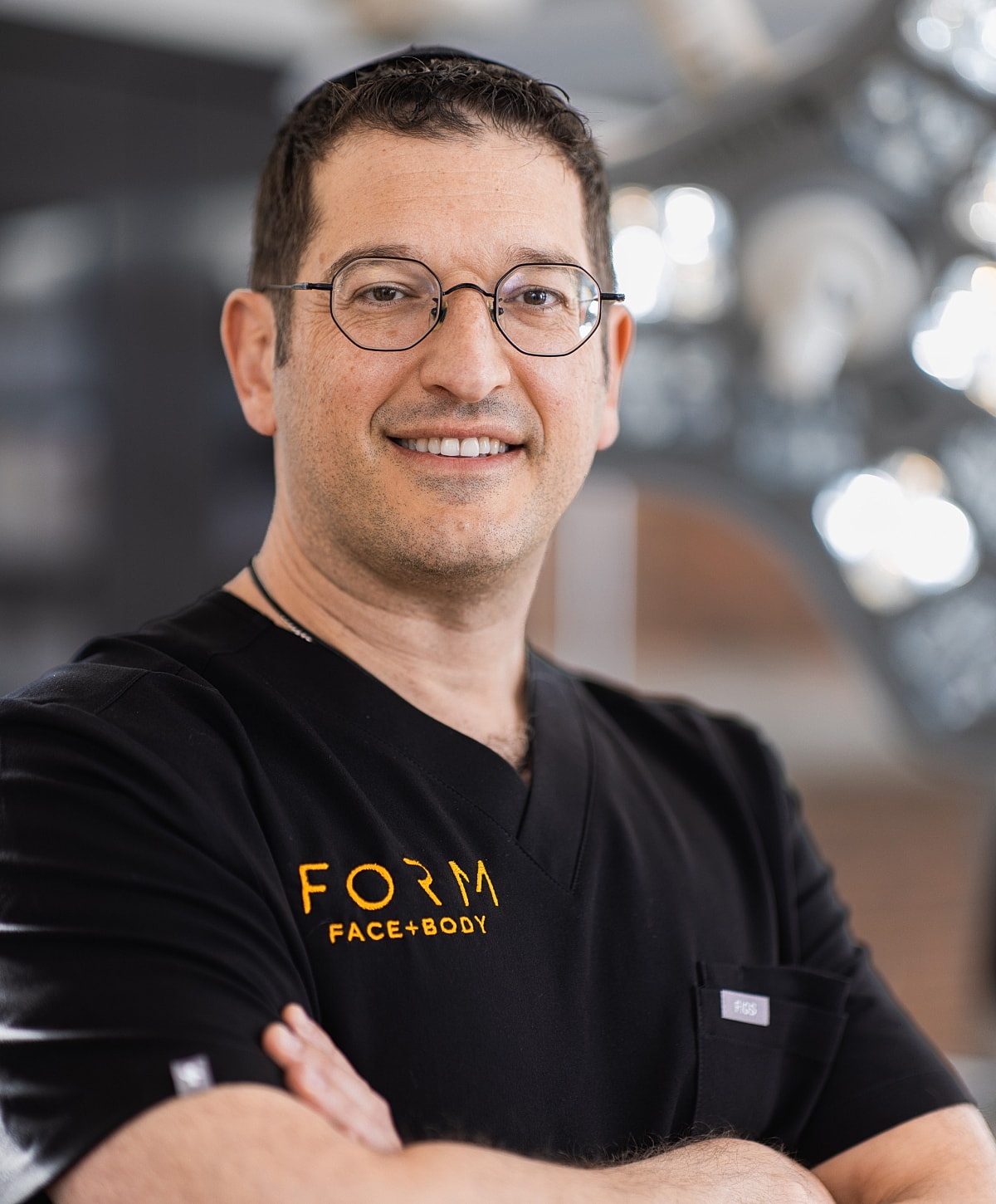
Dr. Ron Somogyi is a Toronto-based plastic surgeon specializing in cosmetic and reconstructive surgery, with a particular interest in breast surgery and body contouring. He is an Assistant Professor at the University of Toronto and is actively involved in surgical research and education.